This post should really be called, trying to visualize some things we read about in the Roman texts of the Ancient Political Thought syllabus.
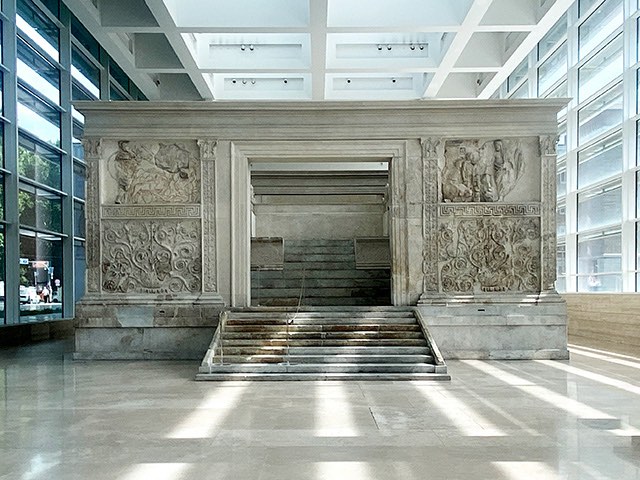
First an image that goes with Livy.
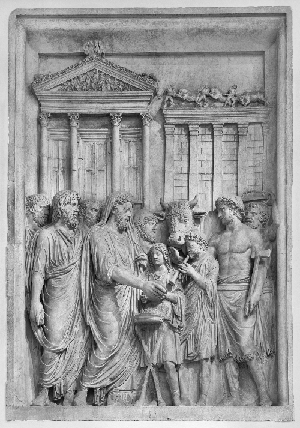
The featured image here is the Ara Pacis
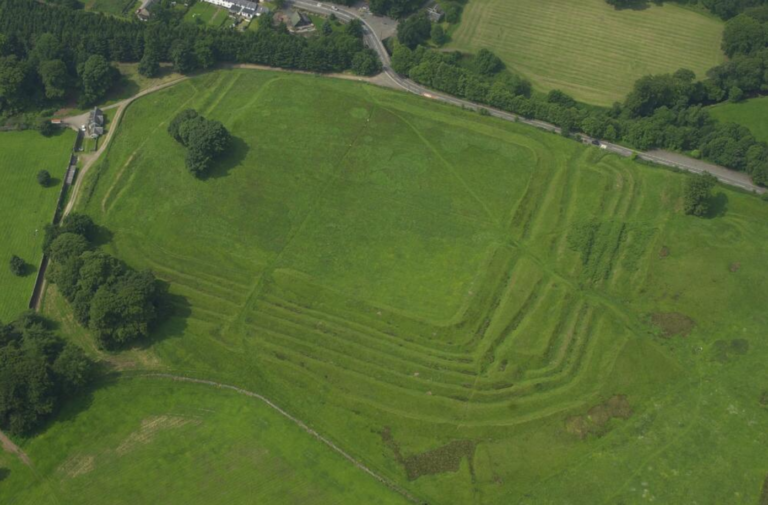
From Tacitus we learn that Agricola acceded farthest north into Scotland of any Roman general. So the next photos depict the fortresses that Agricola built. can still be seen, best aerially. The fortresses were only temporary.
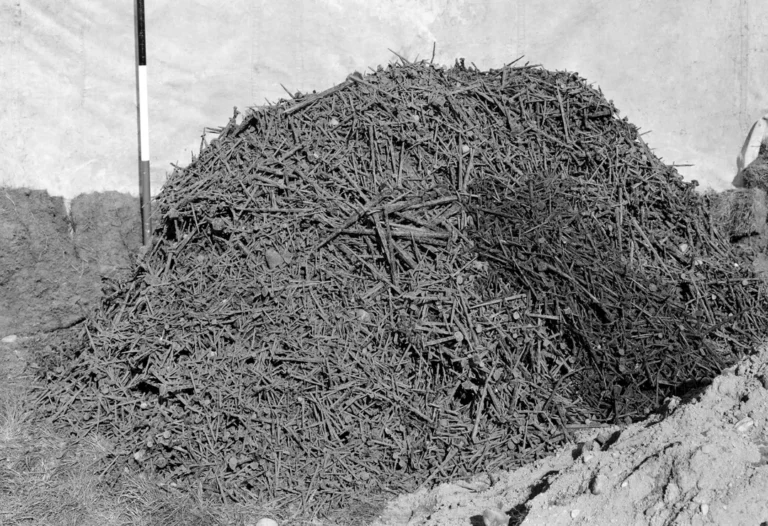
One major archaeological find was of a hoard of iron nails.
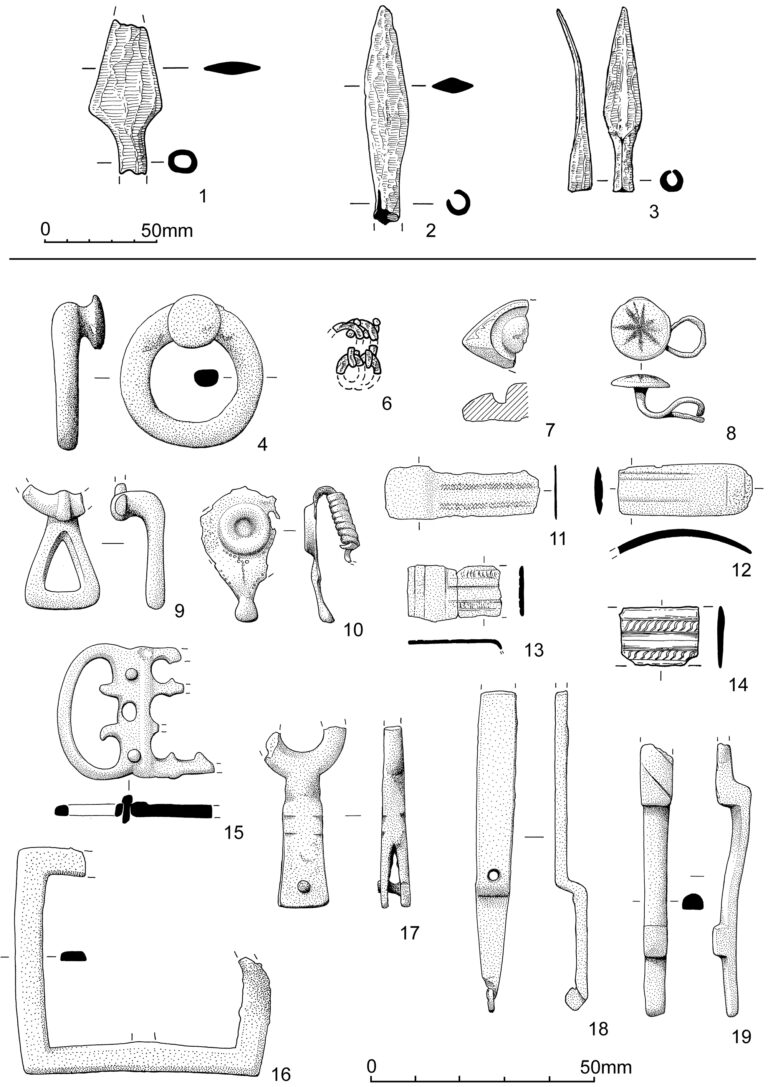
A major archeological thread of the era involves studying finds related to their military or tactical gear that they wore or used.
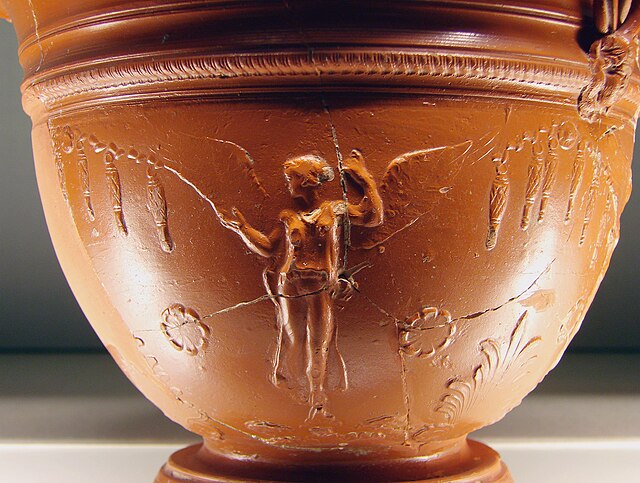
Finally, if you were an art historian of this era you might find yourself studying terra sigillata.
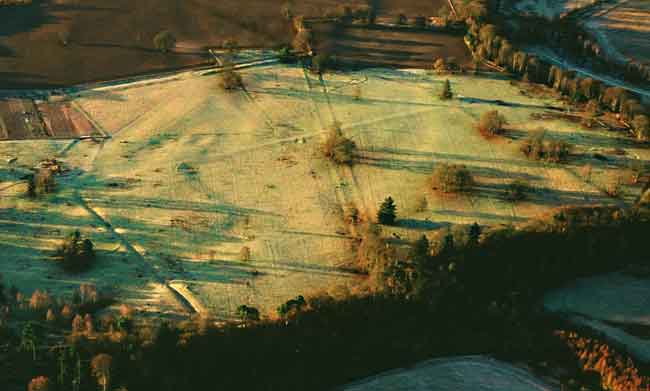
Inchtuthil Roman fortress (The largest and most important short-lived Flavian fortress in Scotland)
Mothersole, Jessie. In Roman Scotland. United Kingdom: John Lane, 1927.
There was also a bed of nails found there called the
Inchtuthil iron hoard (The famous cache of over a million iron nails and other ironwork buried before the fort was abandoned).
This is an aerial view of Gask Ridge. Learn about it on this website.
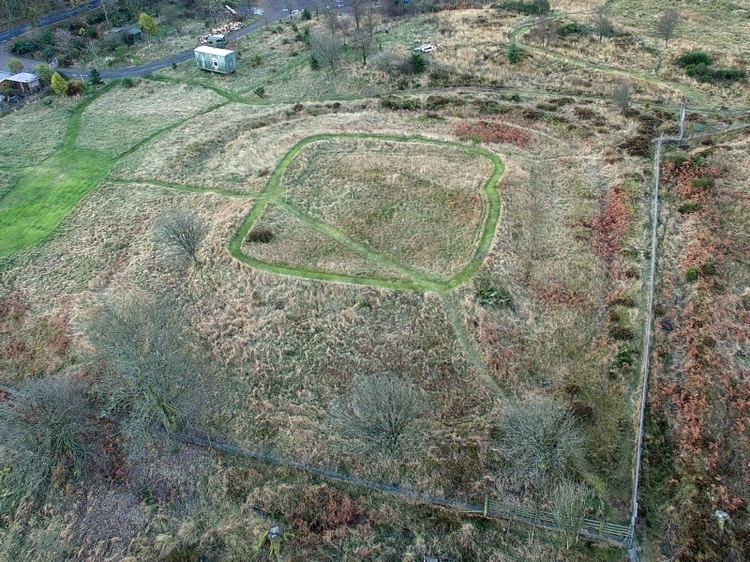
This is another photo of Gask Ridge.
Finding pictures of the Antonine Wall proved harder, but this map is frequently displayed to show the layout of the two walls.
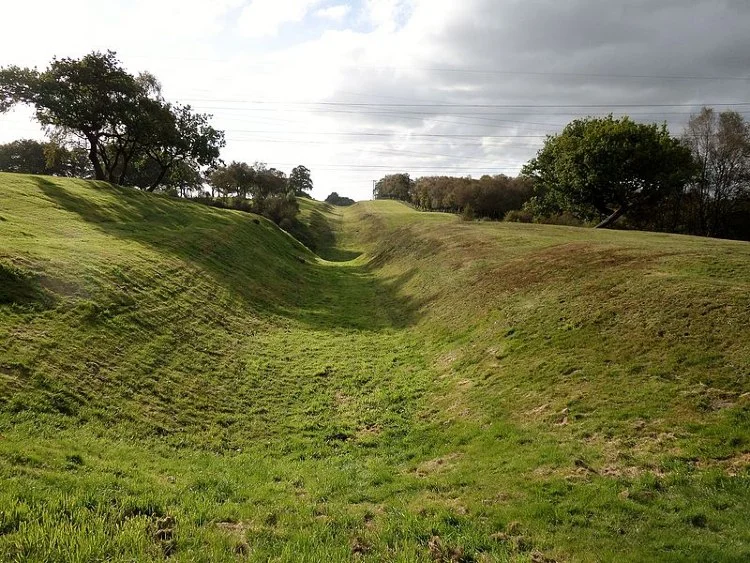
While I was looking for the Forth-Clyde Isthmus Roman frontier (The line of forts that formed Agricola’s temporary northern boundary), I found this picture of a ditch of the Antoine wall.
Proceedings of the Society of Antiquaries of Scotland. United Kingdom: Society, 1915.
This is a picture of Roman pottery called terra siglliata I found on this website.
The Roman Empire and its terra sigillata Pottery
Oyen, Astrid van
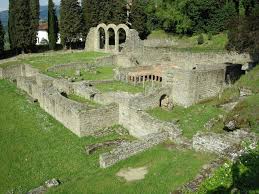
These are the Etruscan and Roman Ruins of Fiesole.
Reviewed Work: The Etruscan Cities and Their Culture by Luisa Banti, Erika Bizzari
Possibly where the Kings of Alba Longa lived. (Livy)
Hillard, Caroline S. “Mythic Origins, Mythic Archaeology: Etruscan Antiquities in Sixteenth-Century Narratives of the Foundation of Florence.” Renaissance Quarterly 69, no. 2 (2016): 489–528. https://doi.org/10.1086/687608.
Features in the Catilinian Conspiracy. (Cicero, Sallust)
Where the school of Augurs was during the Etruscan pre Roman period. (Non or pre philosophical way of knowing or science?)
The myth of Romulus and Remus reaches back to a prior myth about the cofounders of this place, Tarquon and Tyrrhenus, suggesting the Roman origin tale would resonate as an updated version of a known myth.
Christian haiography later reformulates Romulus as St. Romulus linking this cite to a Christianized founding of Rome place.
See free pdf
Perry, Ellen. “The Same, But Different: The Temple of Jupiter Optimus Maximus through Time.” Chapter. In Architecture of the Sacred: Space, Ritual, and Experience from Classical Greece to Byzantium, edited by Bonna D. Wescoat and Robert G. Ousterhout, 175–200. Cambridge: Cambridge University Press, 2012.
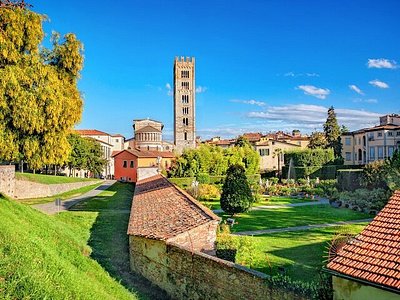
This is Pistoia where is 62 BC the Roman Conspirator Catiline was killed. (Cicero, Sallust).
Law, Politics and Power: Sallust and the Execution of the Catilinarian Conspirators. N.p.: Franz Steiner Verlag, (n.d.).
Berry, D. H.. Cicero’s Catilinarians. United States: Oxford University Press, 2020.
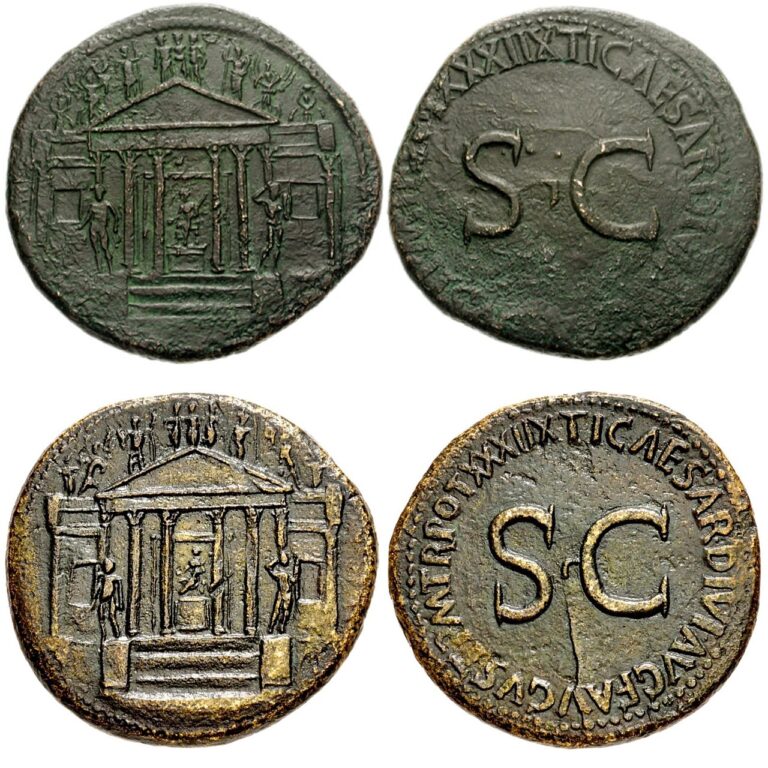
This is a sestertius, or Roman coin, showing the Temple of Concord.
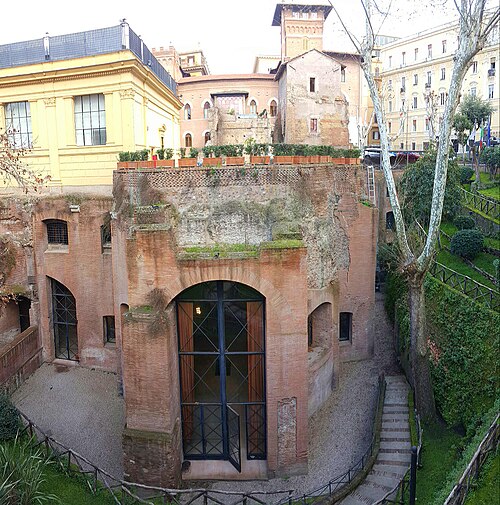
The ruins of the building Horti Sallustiani presso Unioncamere
Check out the full experience as it is today here.
Hartswick, Kim J.. The Gardens of Sallust: A Changing Landscape. United States: University of Texas Press, 2004.