Read more about the article Arendt Lectures on Kant’s Political Philosophy
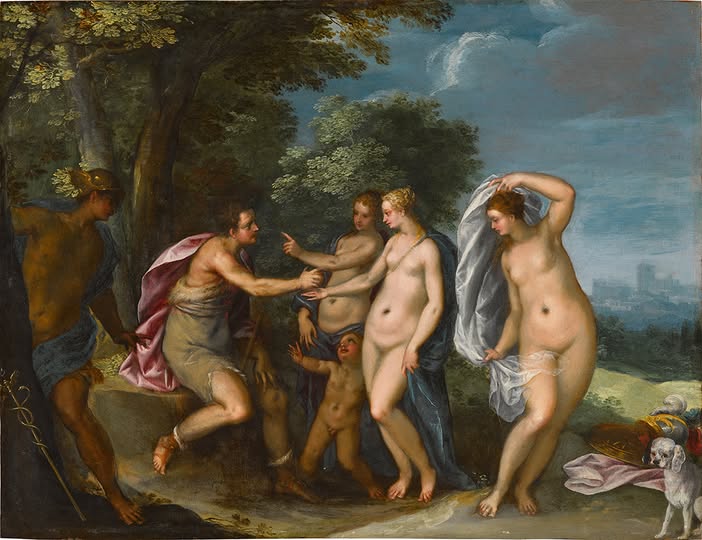
judgmentofparis

Arendt Lectures on Kant’s Political Philosophy

In the Critique of Pure Reason imagination is at the service of the intellect; in the Critique of Judgment the intellect is "at the service of imagination." In the Critique of Judgement we find an analogy to the "schema": the example. Kant accords to examples the same role in judgments that the intuitions called schemata has for experience and cognition. Examples play a role in both reflective and determinant judgments, that is, whenever we are concerned with particulars. p.84
Continue ReadingArendt Lectures on Kant’s Political Philosophy
Read more about the article Arendt The Life of the Mind
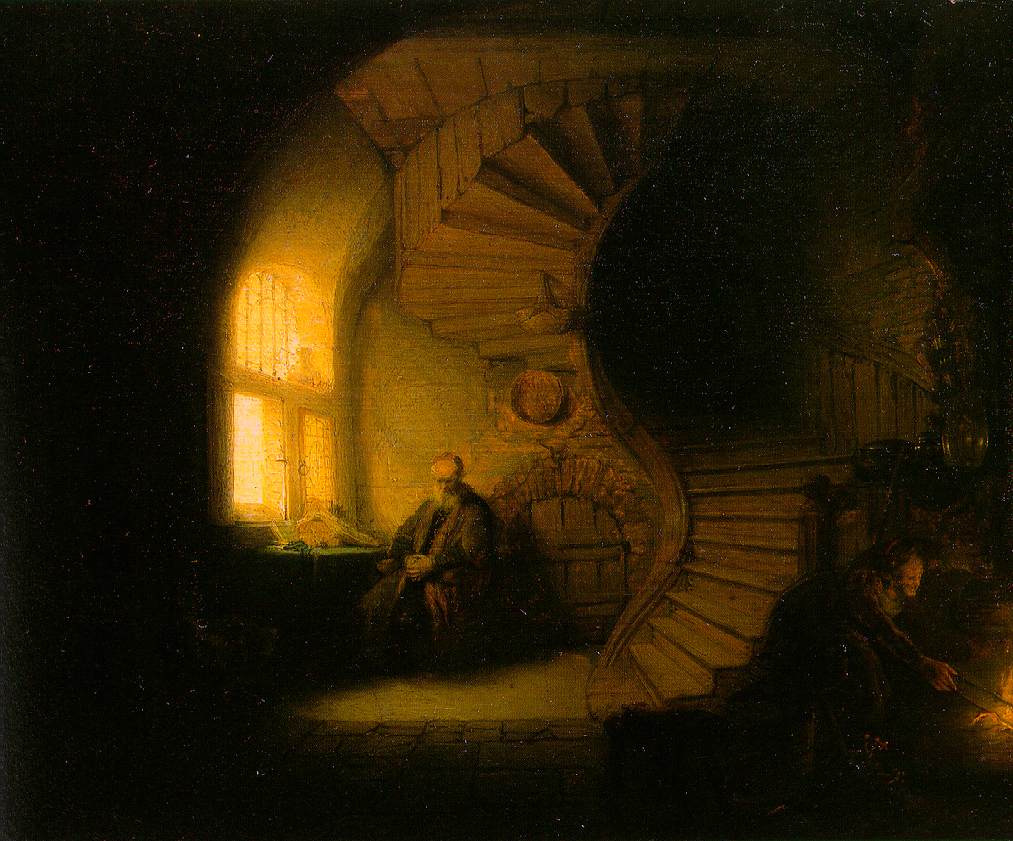
Rembrandt The Philosopher in Meditation

Arendt The Life of the Mind

For the thinking ego and its experience, conscience that "fills a man full obstacles" is a side effect. No matter what thought-trains the thinking ego thinks through, the self that we all are must take care not to do anything that would make it impossible for the two-in-ne to be friends and live in harmony. This is what Spinoza meant by the term "aquiescence in one's self" (acquiescentia in seipso): "It can spring out of reason [reasoning]. and this contentment is the greatest joy possible." Its criterion for action will not be the usual rules, recognized by multitudes and agreed upon by society, but whether I shall be able to live with myself in peace when the time has come to think about my deeds and words. Conscience is the anticipation of the fellow who awaits you if and when you come home. p.191

Continue ReadingArendt The Life of the Mind
Read more about the article Arendt, What is Freedom?
arendt mezz

Arendt, What is Freedom?

Political institutions, no matter how well or how badly designed, depend for continued existence upon acting men; their conservation is achieved by the same means that brought them into being. Independent existence marks the work of art as a product of making; utter dependence upon further acts to keep it in existence marks the state as a product of action. p.153

Continue ReadingArendt, What is Freedom?