Read more about the article Cicero On the Ends of Good and Evil
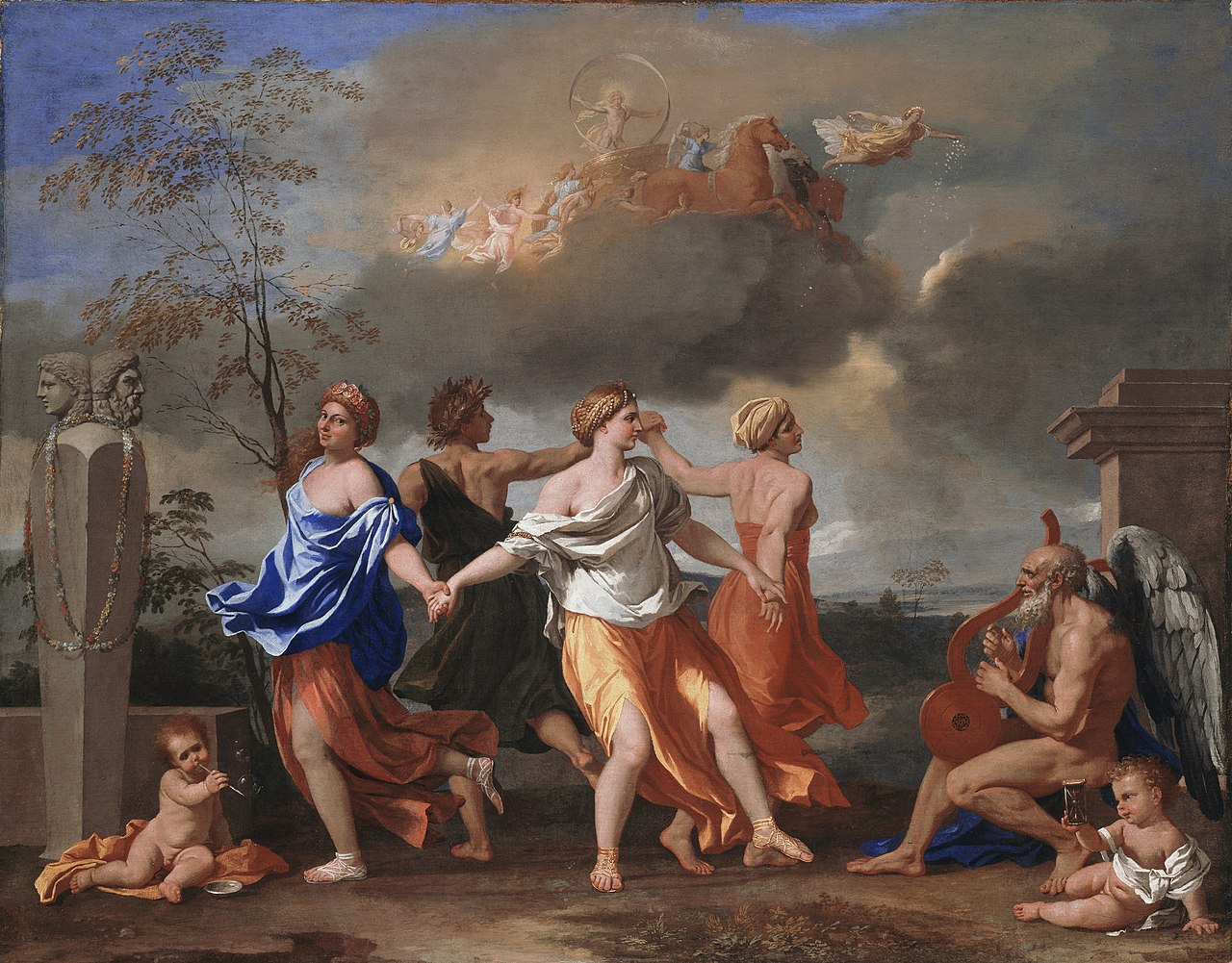
The dance to the music of time c. 1640

Cicero On the Ends of Good and Evil

"For if the whole of a man's life is to be measured by the standard of pleasure, you see how much trouble is in store for us. We must consider not what is pleasant, but what is consistent with the dignity of human nature; for there is a certain dignity in man, which the beasts do not share. If we lose sight of this, we shall be unable to maintain any standard of conduct." (Cicero, De Finibus 2.44).

Continue ReadingCicero On the Ends of Good and Evil
Read more about the article Cicero Tusculan Disputations
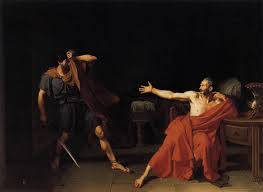
Jean Germain Drouais's Marius at Minturnae

Cicero Tusculan Disputations

"But what is this 'bearing'? It is the same as the endurance of labor... we must then apply to the soul that which is called fortitude, which consists of two parts, the contempt of pain and the contempt of death. To these we must bring a certain alertness of mind, so that we may not only not fear, but even despise them." (Cicero, Tusculan Disputations 2.53).

Continue ReadingCicero Tusculan Disputations
Read more about the article Cicero On Duties
Jacques Louis David's The Lictors Bring to Brutus the Bodies of His Sons

Cicero On Duties

"But when with a rational spirit you have surveyed the whole field, there is no social relation among them all more close and none more dear than that which links each one of us with our country. Parents are dear; children, relatives, friends are dear; but our country has on its own embraced all the affections of all of us together; for which what good man would hesitate to face death, if he could do her a service?" (Cicero, De Officiis 1.57).

Continue ReadingCicero On Duties
Read more about the article Cicero On the Commonwealth and On the Laws
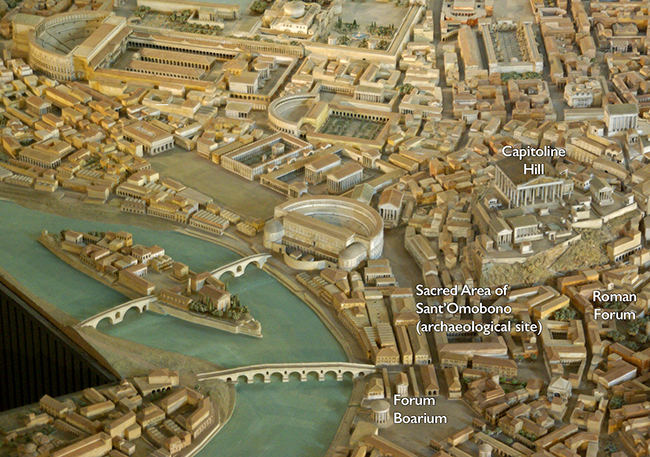
forciceroonthecommonwealth

Cicero On the Commonwealth and On the Laws

At this point you will see the political circle turning; you should learn to recognize its natural motion and circuit from the very beginning. This is the essential element of civic prudence (the topic of our entire discussion); to see the paths and turns of commonwealths, so that when you know in what direction any action tends, you can hold it back or anticipate it. Book 2 p.47

Continue ReadingCicero On the Commonwealth and On the Laws
Read more about the article Cicero, In Catilium
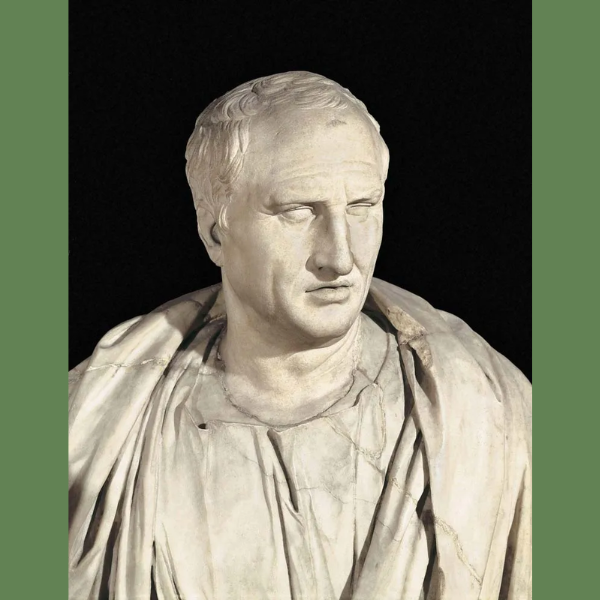
Cicero

Cicero, In Catilium

When, O Catiline, do you mean to cease abusing our patience? How long is that madness of yours still to mock us? When is there to be an end of that unbridled audacity of yours, swaggering about as it does now? Do not the nightly guards placed on the Palatine Hill—do not the watches posted throughout the city—does not the alarm of the people, and the union of all good men—does not the precaution taken of assembling the senate in this most defensible place—do not the looks and countenances of this venerable body here present, have any effect upon you? Do you not feel that your plans are detected? Do you not see that your conspiracy is already arrested and rendered powerless by the knowledge which every one here possesses of it? What is there that you did last night, what the night before— where is it that you were—who was there that you summoned to meet you—what design was there which was adopted by you, with which you think that any one of us is unacquainted? [2]
Continue ReadingCicero, In Catilium