
Read more about the article Rancière, Jacques. Le partage du sensible: Esthétique et politique
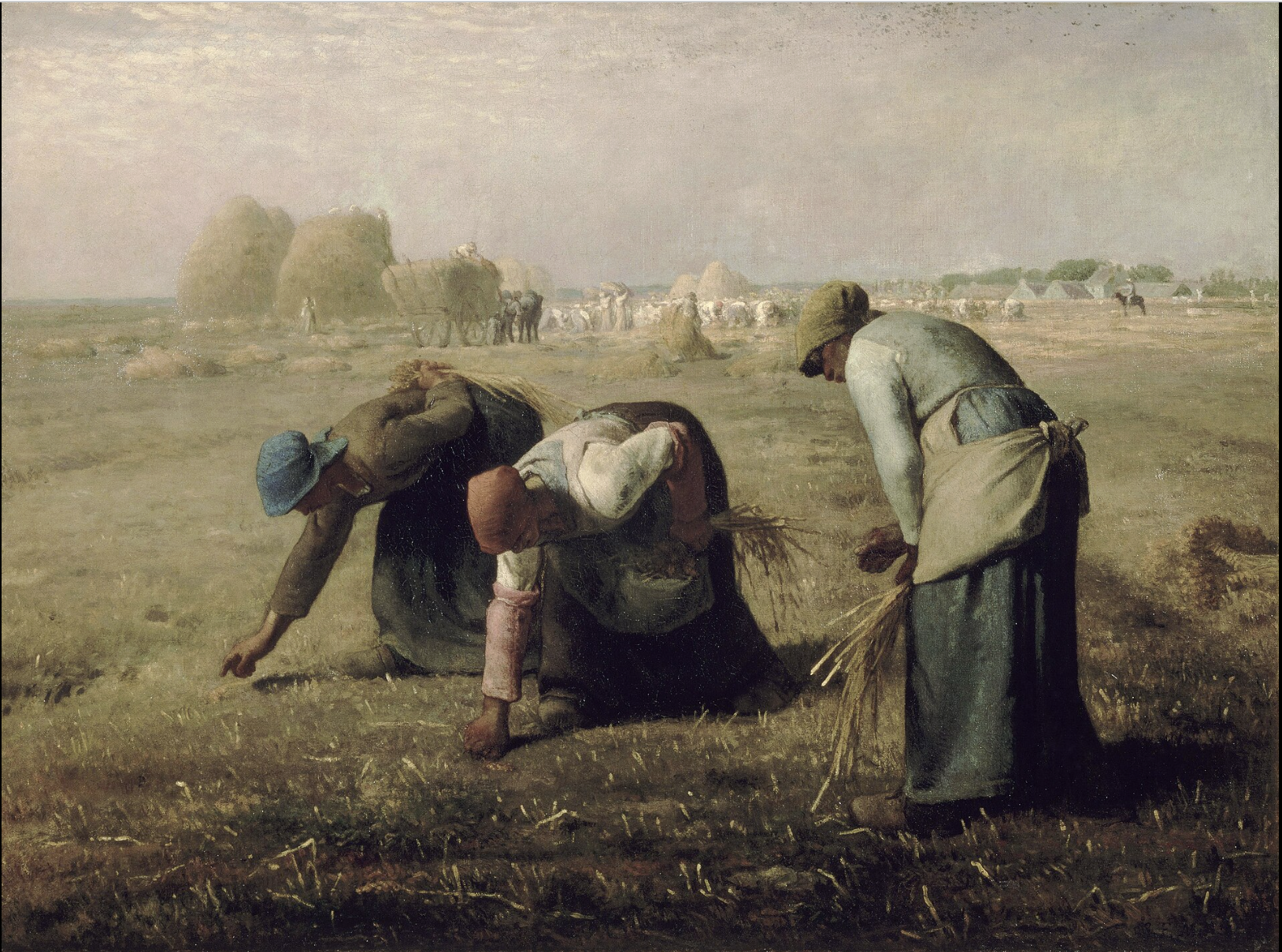
Millet, Jean-François. The Gleaners (Des glaneuses). 1857. Oil on canvas, 83.5 × 110 cm (32.9 × 43.3 in.). Musée d'Orsay, Paris. Accession no. RF 592.

Rancière, Jacques. Le partage du sensible: Esthétique et politique

If the reader is fond of analogy, aesthetics can be understood in a Kantian sense - re-examined perhaps by Foucault - as the system of a priori forms determining what presents itself to sense experience. It is a delimitation of [14] spaces and times, of the visible and the invisible, of speech and noise, that simultaneously determines the place and the stakes of politics as a form of experience. Politics revolves around what is seen and what can be said about it, around who has the ability to see and the talent to speak, around the properties of spaces and the possibilities of time.
Continue ReadingRancière, Jacques. Le partage du sensible: Esthétique et politique
Read more about the article Rancière, Jacques. La mésentente: Politique et philosophie
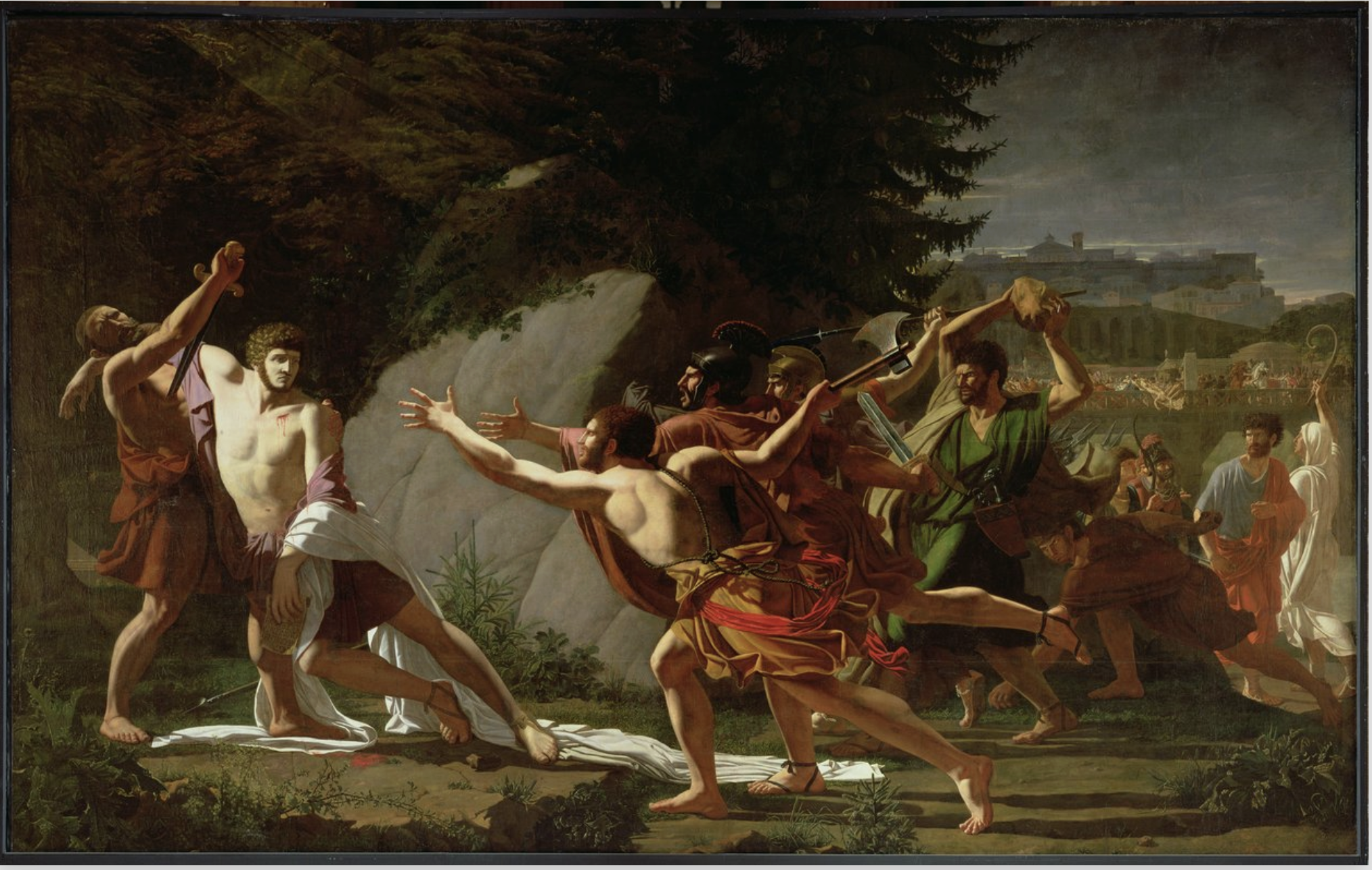
Topino-Lebrun, Jean-Baptiste. The Death of Caius Gracchus. 1798. Oil on canvas, 381 × 610 cm. Musée des Beaux-Arts, Marseille, inventory no. 129.

Rancière, Jacques. La mésentente: Politique et philosophie

Is there such thing as political philosophy? The question seems incongruous for two reasons. First theorizing about community and its purpose, about law and its foundation, has been going on ever since our philosophical traditional kicked off and has never ceased to keep it vital. Second, for awhile now, political philosophy has been loudly trumpeting its return with a new lease on life.

Continue ReadingRancière, Jacques. La mésentente: Politique et philosophie
Read more about the article Rancière, Jacques. Le maître ignorant: Cinq leçons sur l’émancipation intellectuelle
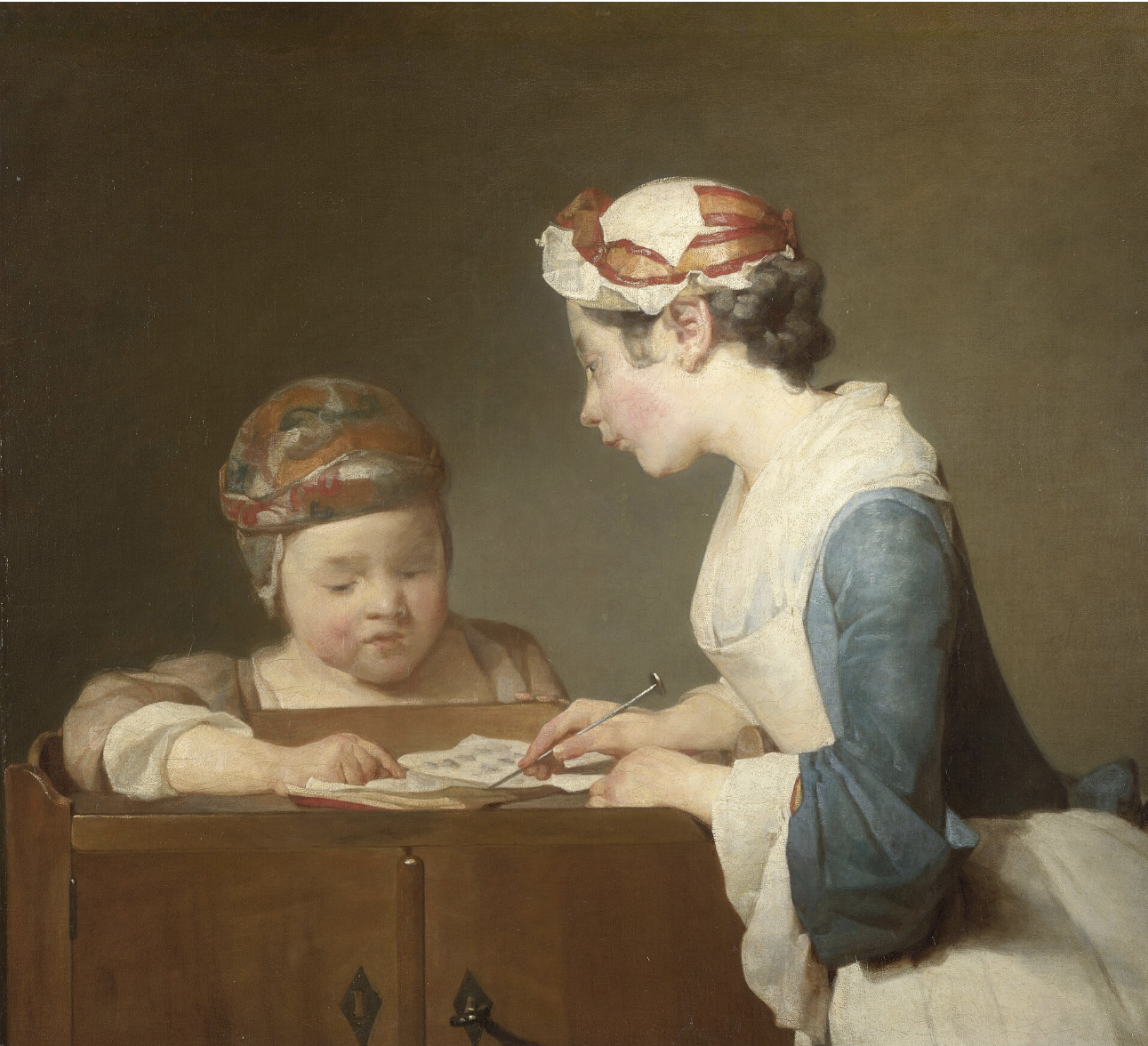
Chardin, Jean-Siméon. The Young Schoolmistress. c. 1735–1736. Oil on canvas, 61.5 × 66.5 cm. National Gallery, London, accession no. NG4088.

Rancière, Jacques. Le maître ignorant: Cinq leçons sur l’émancipation intellectuelle

the singular art of the explicator: the art of distance. The master's secret is to know how to recognize the distance between the taught material and the person being instructed, teh distance also between learning and understanding.

Continue ReadingRancière, Jacques. Le maître ignorant: Cinq leçons sur l’émancipation intellectuelle