Read more about the article Ricoeur, Du texte a l’action  From Text to Action
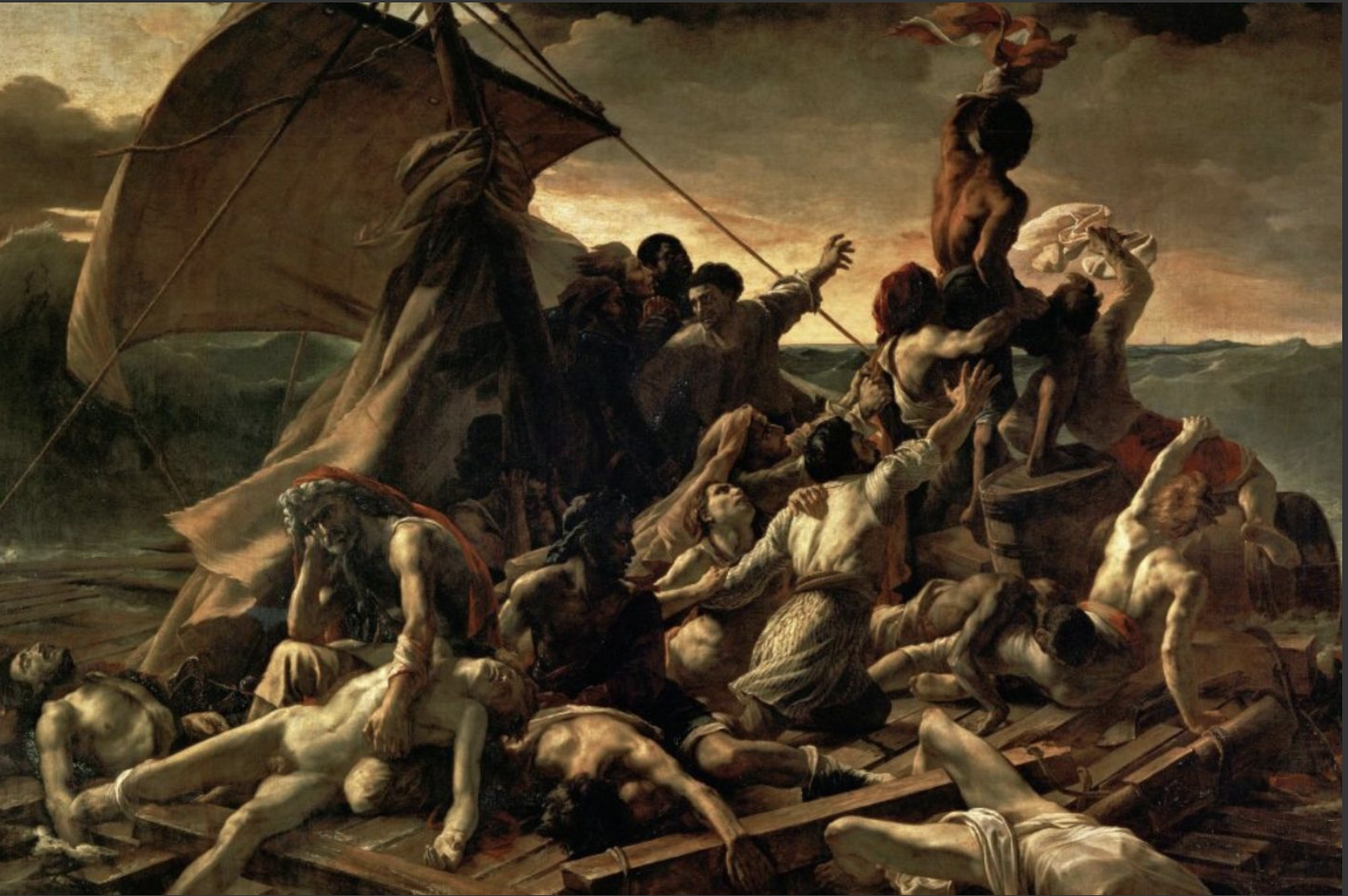
Géricault, Théodore. The Raft of the Medusa. 1818–1819. Oil on canvas, 491 cm × 716 cm. Musée du Louvre, Paris.

Ricoeur, Du texte a l’action From Text to Action

On the featured image Géricault, Théodore. The Raft of the Medusa. 1818–1819. Oil on canvas, 491 cm × 716 cm. Musée du Louvre, Paris.Museum Collection: Musée du Louvre, Paris - Department…

Continue ReadingRicoeur, Du texte a l’action From Text to Action
Read more about the article Ricoeur Temps et recit  Time and Narrative volumes 1-3
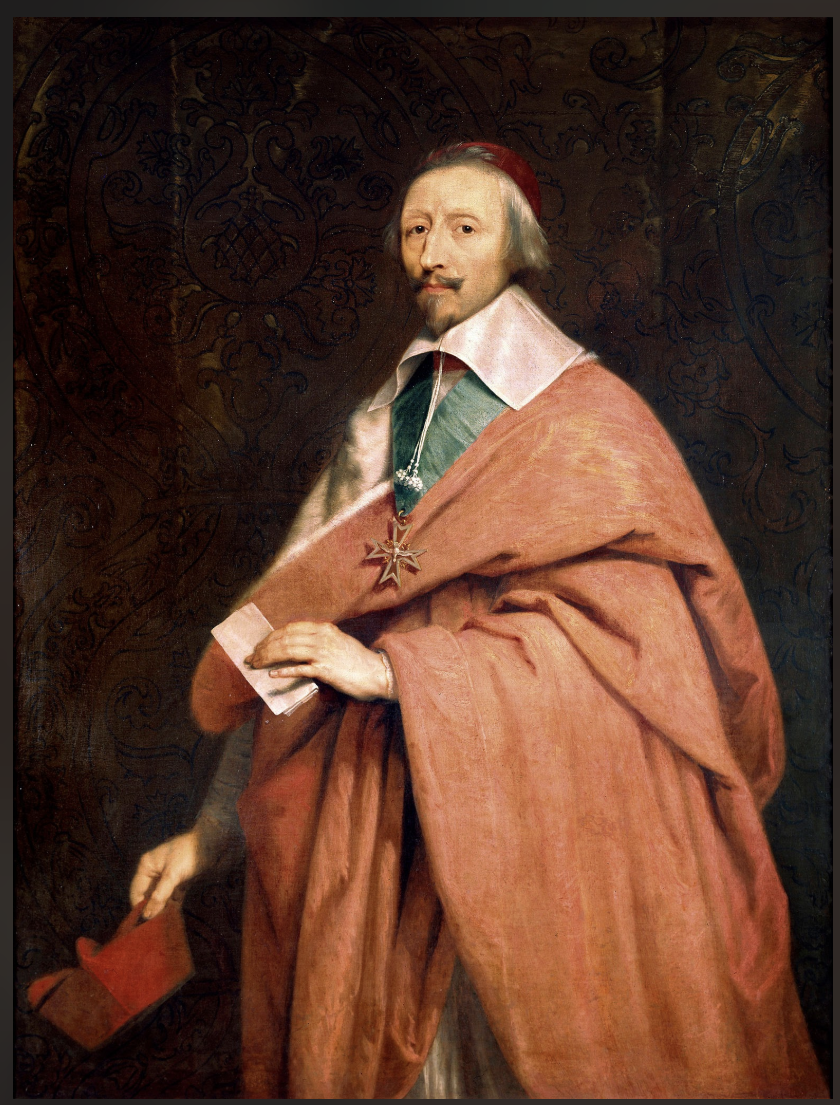
Champaigne, Philippe de. Portrait of Jean Duvergier de Hauranne, Abbé de Saint-Cyran. c. 1647–1648. Oil on canvas, 84 cm × 66 cm. Musée National des Châteaux de Versailles et de Trianon, Versailles.

Ricoeur Temps et recit Time and Narrative volumes 1-3

Conversely, a story only holds genuine meaning for us because it mirrors the actual structure of our lived experience. Every narrative relies on temporal coordinates—beginnings, crises, endings, and the weight of waiting—which directly correspond to our mortal condition.

Continue ReadingRicoeur Temps et recit Time and Narrative volumes 1-3
Read more about the article Ricoeur Essays on Biblical Interpretation
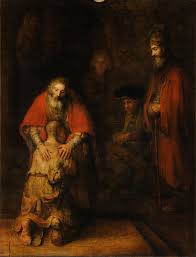
prodigalson

Ricoeur Essays on Biblical Interpretation

The titles of the essays: Toward a hermeneutic of the Idea of Revelation; The Hermeneutics of Testimony; Freedom in the Light of Hope. Henceforth, the regeneration of freedom is inseparable from the movement by which the figures of hope are liberated from the idols of the market place, as Bacon put it. This whole process constitutes the philosophy of religion within the limits of reason alone; it is this process which constitutes the philosophical analogon of the kerygma of the Resurrection. It is also this process which constitutes the whole adventure of freedom and which permits us to give a comprehensible meaning to the expression "religious freedom." p.180

Continue ReadingRicoeur Essays on Biblical Interpretation
Read more about the article Ricoeur Interpretation Theory: Discourse and the Surplus of Meaning
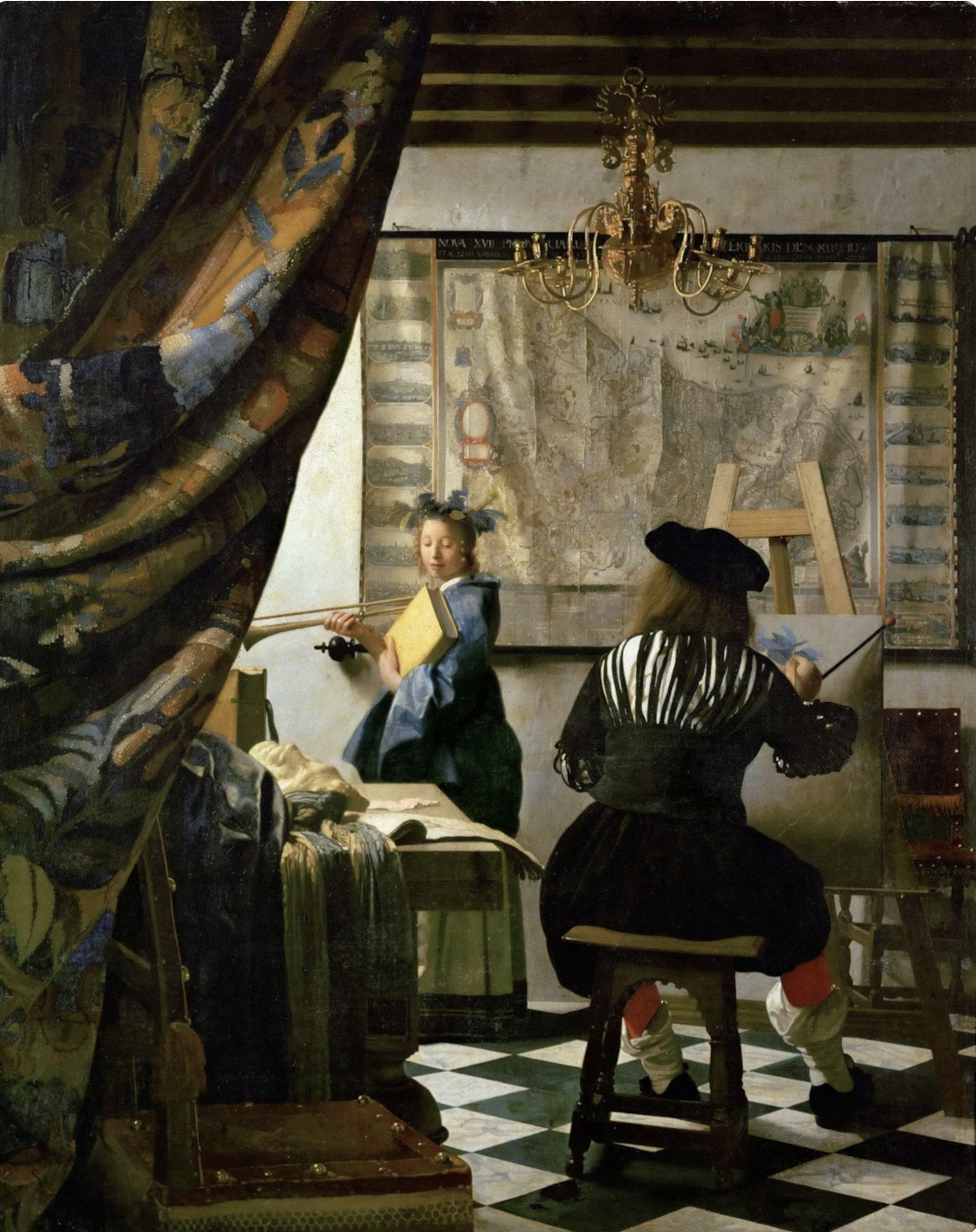
Vermeer, Johannes. The Allegory of Painting. c. 1666–1668. Oil on canvas, 120 cm × 100 cm. Kunsthistorisches Museum, Vienna.

Ricoeur Interpretation Theory: Discourse and the Surplus of Meaning

"To understand a text is not to rejoin the author, but to move in the direction of his work, to project oneself before it, to follow the path of the world it opens up."

Continue ReadingRicoeur Interpretation Theory: Discourse and the Surplus of Meaning
Read more about the article Ricoeur Le Conflit des interpretations  The Conflict of Interpretations: Essays in Hermeneutics
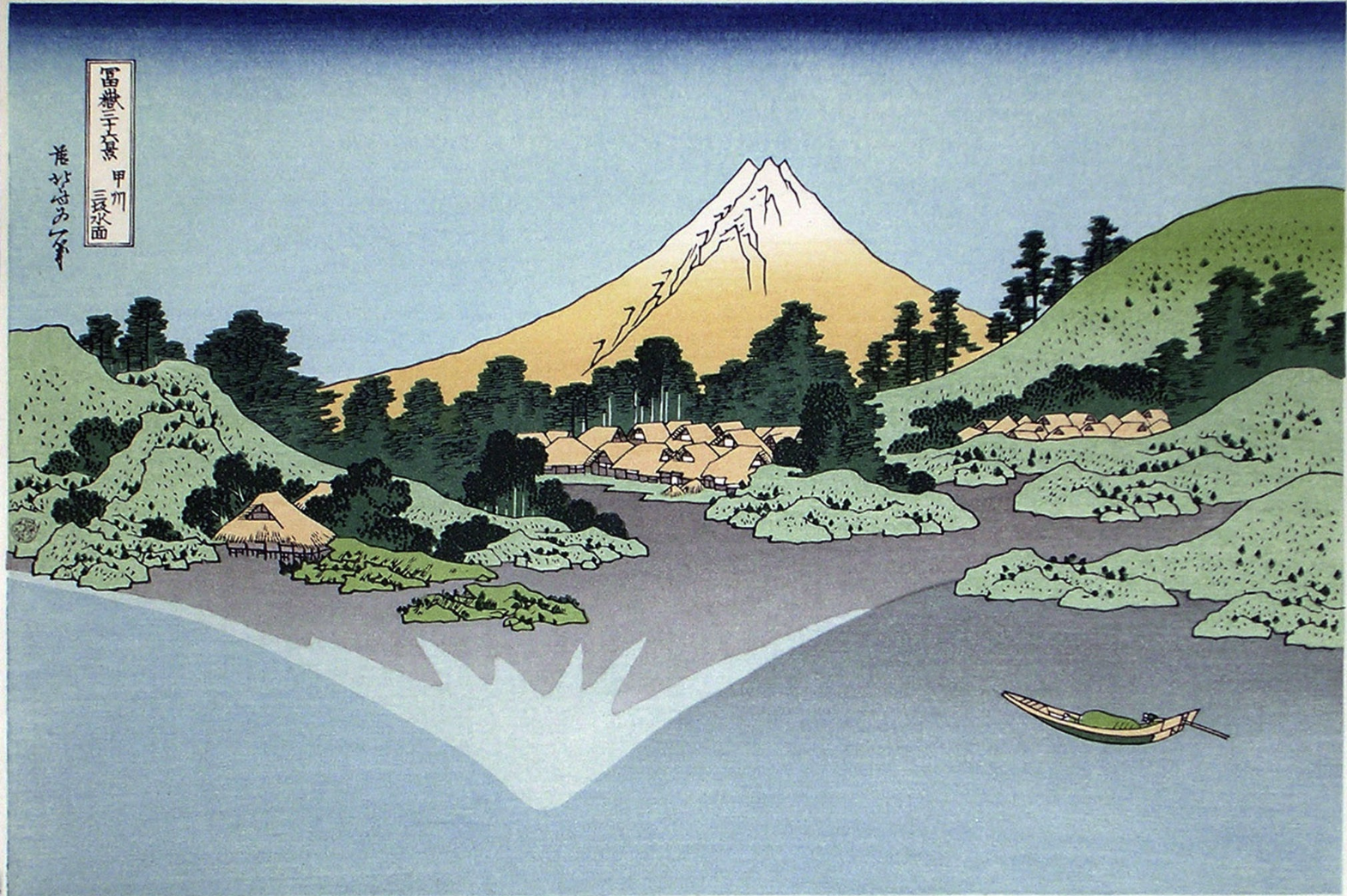
Hokusai, Katsushika. Reflection in the Lake at Misaka in Kai Province. c. 1830–1835. Woodblock print (ukiyo-e); ink and color on paper, 25.7 cm × 37.5 cm. Museum of Fine Arts, Boston.

Ricoeur Le Conflit des interpretations The Conflict of Interpretations: Essays in Hermeneutics

"The philosopher trained in the school of Descartes knows that things are doubtful... but he does not doubt that consciousness is such as it appears to itself... Since Marx, Nietzsche, and Freud, this is what is in question. After the doubt about things, we have started to doubt consciousness."

Continue ReadingRicoeur Le Conflit des interpretations The Conflict of Interpretations: Essays in Hermeneutics