Read more about the article Leo Strauss The Argument and Action of Plato’s Laws
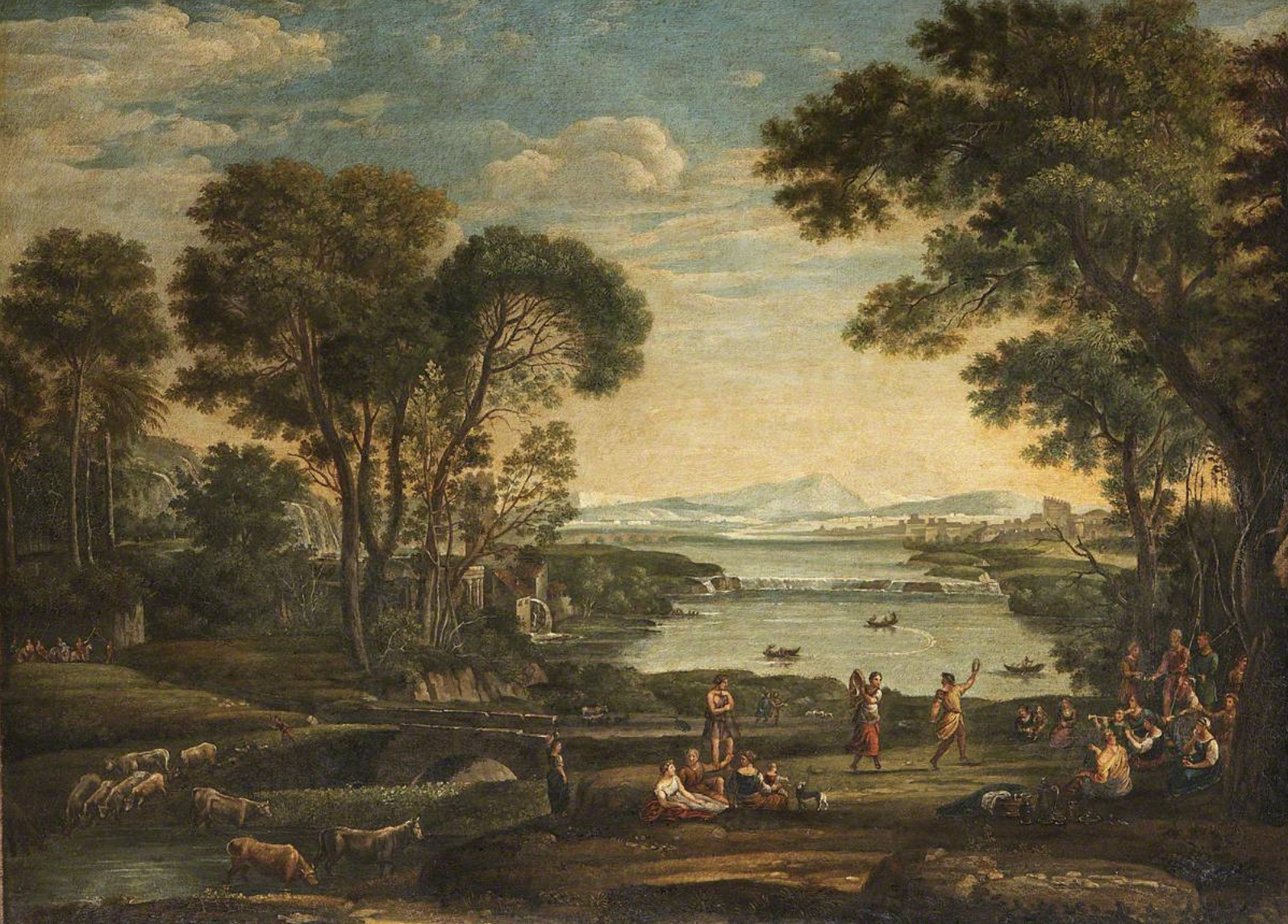
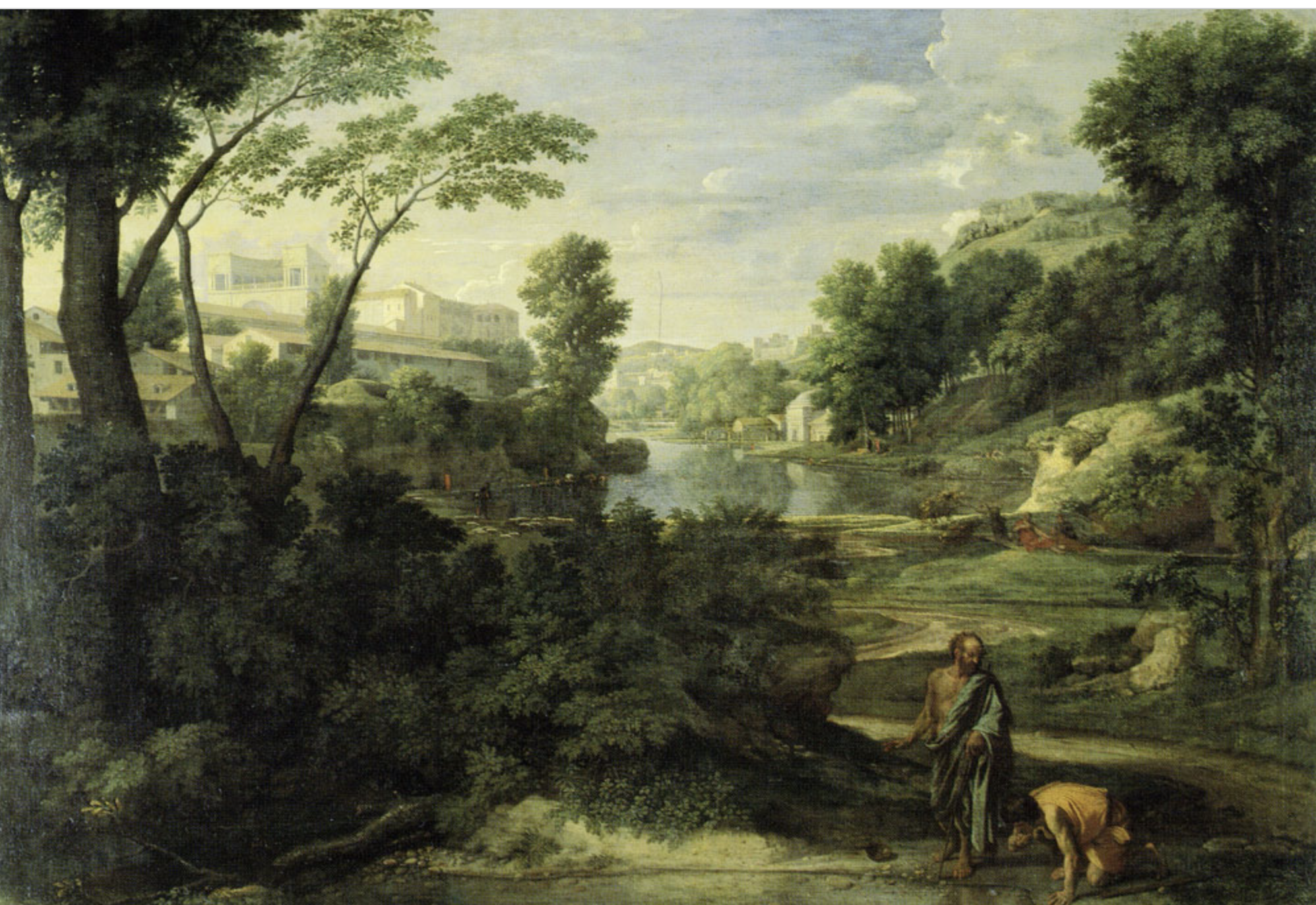
Claude Lorrain, Landscape with the Marriage of Isaac and Rebecca (formerly known as The Mill), 1648, Oil on canvas, National Gallery, London.

Leo Strauss The Argument and Action of Plato’s Laws

"The Athenian does not question the divine origin of the Cretan and Spartan laws; he accepts it on the authority of his interlocutors. But he immediately asks for the reason or the end for which those laws were established... He asks, in Socratic fashion, what the lawgiver had in mind in establishing the laws." — Chapter I, p. 4
Continue ReadingLeo Strauss The Argument and Action of Plato’s Laws
Read more about the article Leo Strauss Xenophon’s Socratic Discourse: An Interpretation of the “Oeconomicus”
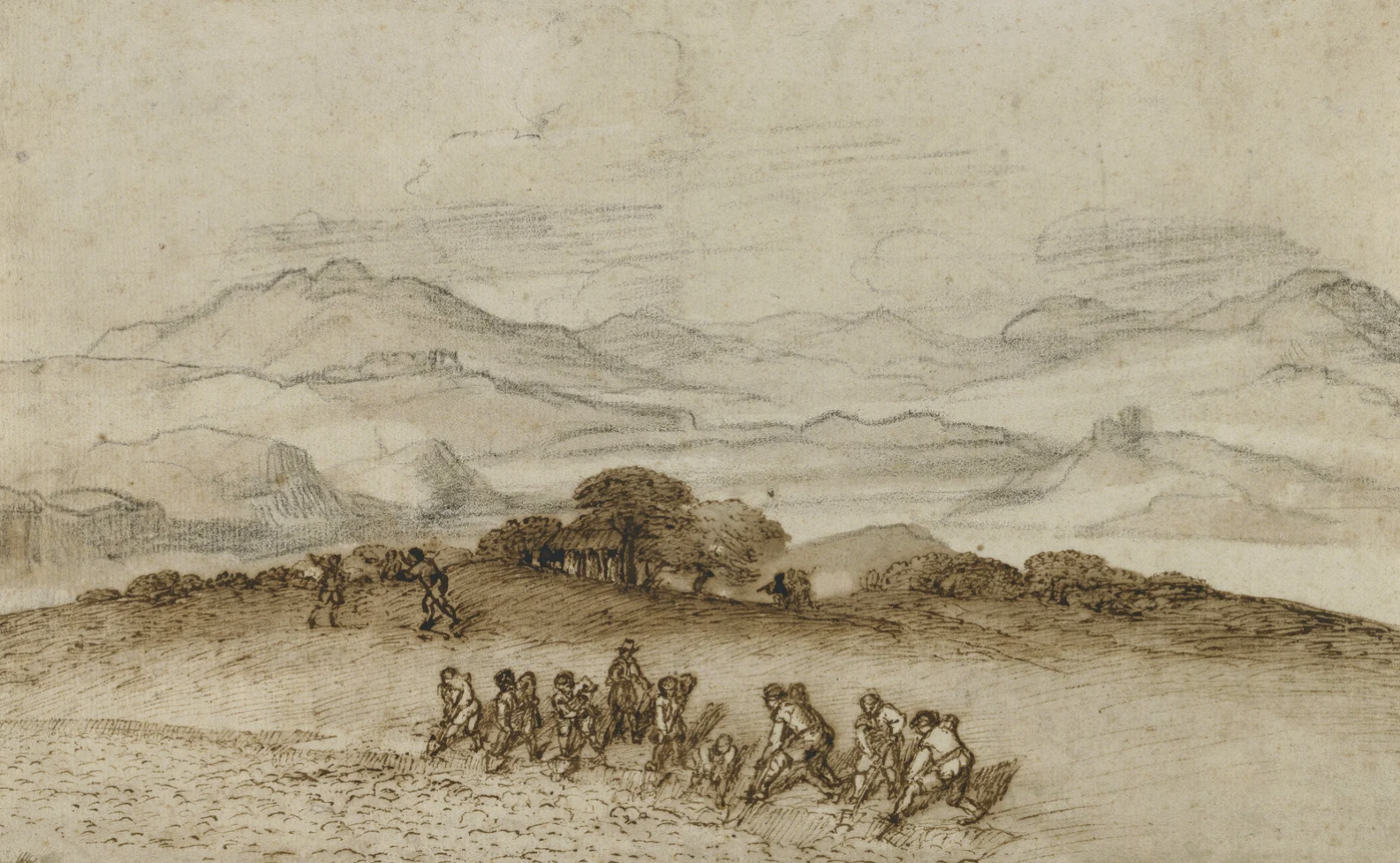
Claude Lorrain, Landscape in Latium with Farm Laborers (also known as View of the Campagna), c. 1660–1663, Oil on canvas, J. Paul Getty Museum, Los Angeles.

Leo Strauss Xenophon’s Socratic Discourse: An Interpretation of the “Oeconomicus”

You remember the statement in the Oeconomicus that one way of getting rich is war and tyranny.

Continue ReadingLeo Strauss Xenophon’s Socratic Discourse: An Interpretation of the “Oeconomicus”
Read more about the article Leo Strauss Thoughts on Machiavelli
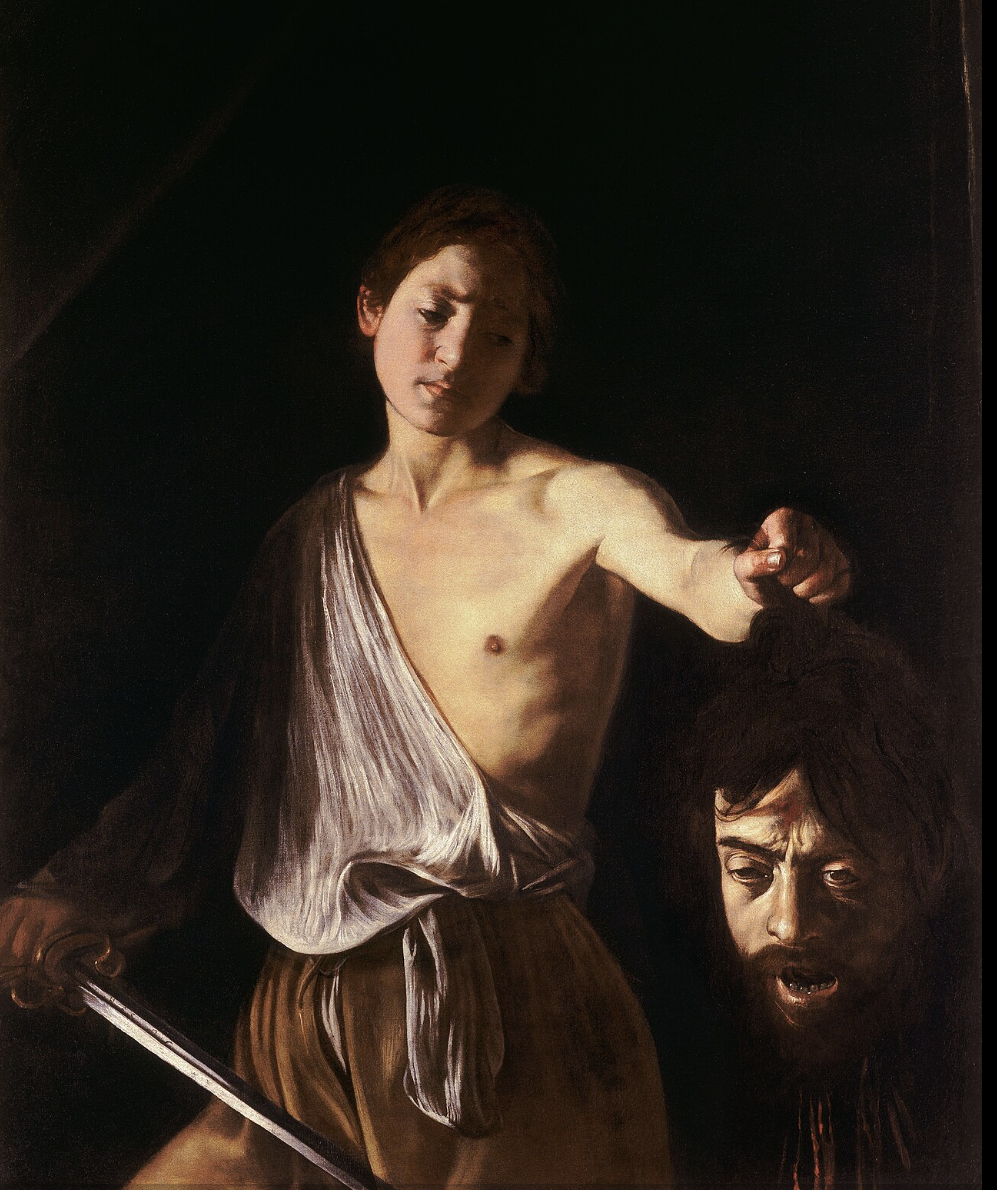
Caravaggio, David with the Head of Goliath, c. 1610, Oil on canvas, Galleria Borghese, Rome.

Leo Strauss Thoughts on Machiavelli

It is misleading to describe the thinker Machiavelli as a patriot. He is a patriot of a particular kind: he is more concerned with the salvation of his fatherland than with the salvation of his soul. His patriotism therefore presupposes a comprehensive reflection regarding the status of the fatherland on the one hand and of the soul on the other.

Continue ReadingLeo Strauss Thoughts on Machiavelli
Read more about the article Leo Strauss Natural Right and History
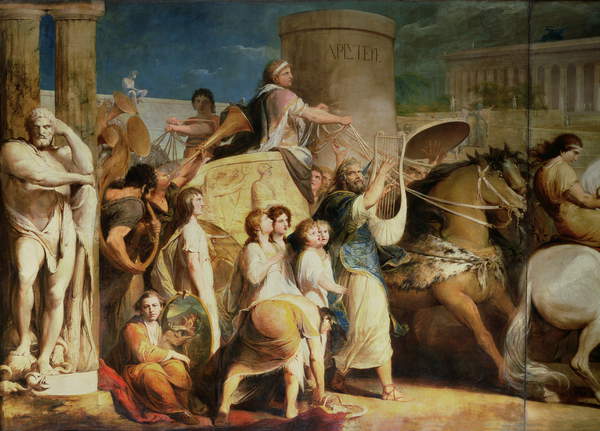
Hiero of Syracuse and victors

Leo Strauss Natural Right and History

If there is no standard higher than the ideals of one’s society, there exists no possibility of taking a critical distance from those ideals. But the mere fact that we can raise the question of the worth of the ideals of our society shows that there is something in man that is not altogether enslaved to his society, and therefore that we are able, and even obliged, to look for a standard with reference to which we can judge of the ideals of our society, as well as of any other society. This standard cannot be found in the needs of the society concerned.

Continue ReadingLeo Strauss Natural Right and History