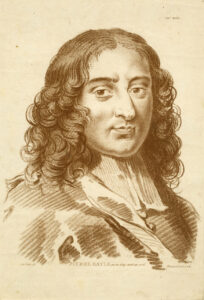
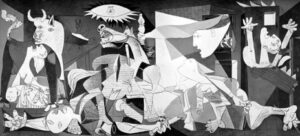
Plato’s Democratic Entanglements addresses what is on everyone’s mind which is what can we learn from Plato’s dialogues about democratic governance, even though the aristocratic prejudice characterizes his political thinking?
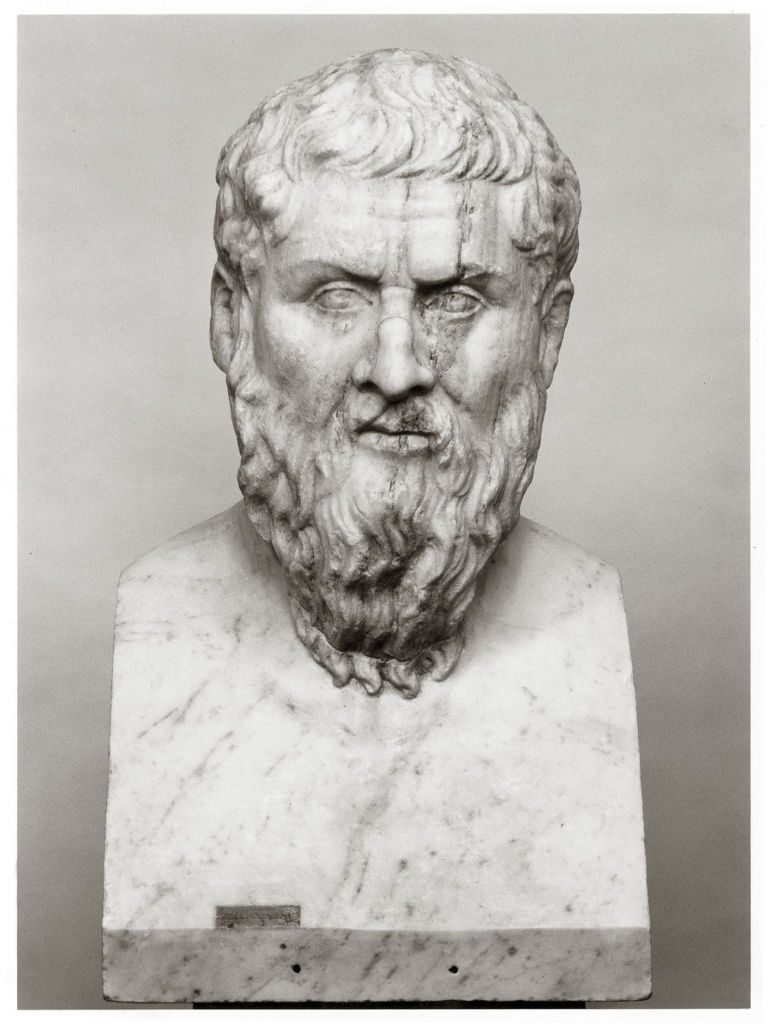
Museum Link: Capitoline Museums – Portrait of Plato (Official Catalog Entry)
Provenance: This marble herm (Inv. S 571) was part of the prestigious Albani Collection before being acquired by the museum. The original bronze statue, upon which this Roman copy is based, was famously dedicated in the Academy in Athens by Mithradates the Persian shortly after Plato’s death (ca. 348–347 BCE). It was discovered in Rome and has been housed in the Sala dei Filosofi (Hall of the Philosophers) in the Palazzo Nuovo since the 18th century.
Art History Scholarly Citations:
Richter, Gisela M. A. The Portraits of the Greeks. Vol. 2. London: Phaidon, 1965.
Boehringer, Christof. “Platon-Bildnisse.” In Die Bildnisse des Platon, edited by R. Ensoli and E. La Rocca. Rome: L’Erma di Bretschneider, 2000.
Ridgway, Brunilde Sismondo. Fourth-Century Styles in Greek Sculpture. Madison: University of Wisconsin Press, 1997.
The —the oldest public museum in the world—houses this portrait in its dedicated hall for Greek and Roman intellectuals.
The collection is located in the Palazzo Nuovo on the Piazza del Campidoglio.
The “Plato” portrait is specifically located in the Sala dei Filosofi, which contains nearly 80 busts of ancient poets, philosophers, and orators.
This particular copy is noted for its “fine-grained Greek marble” and is dated to the Claudian era (mid-1st century CE).