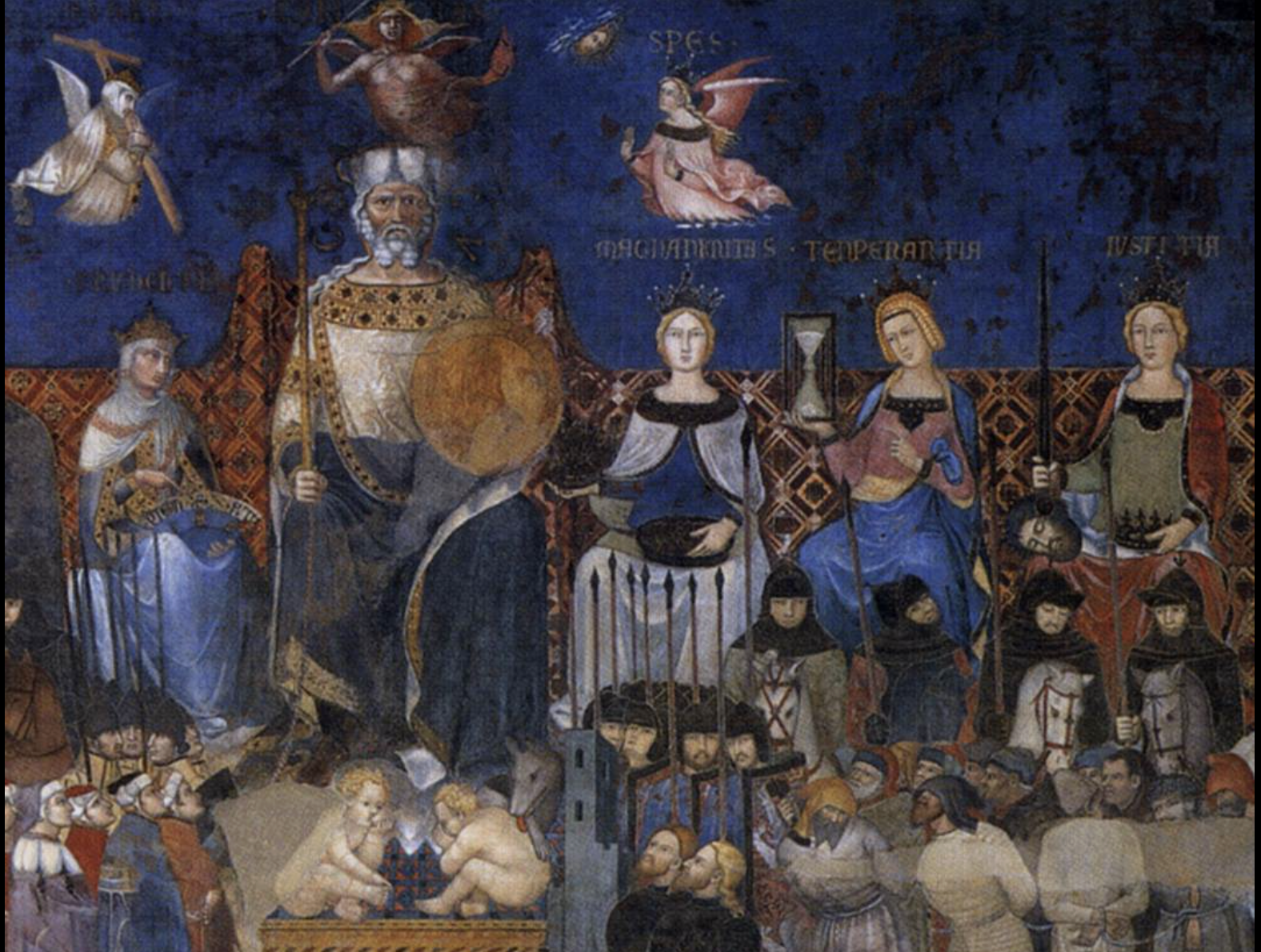
Ambrogio Lorenzetti, The Allegory of Good Government: The Effects of Good Government in the City and the Country, 1338–1339, Fresco, Palazzo Pubblico, Siena.
Leo Strauss City and Man
The divine things are higher in rank than the human things.

The divine things are higher in rank than the human things.
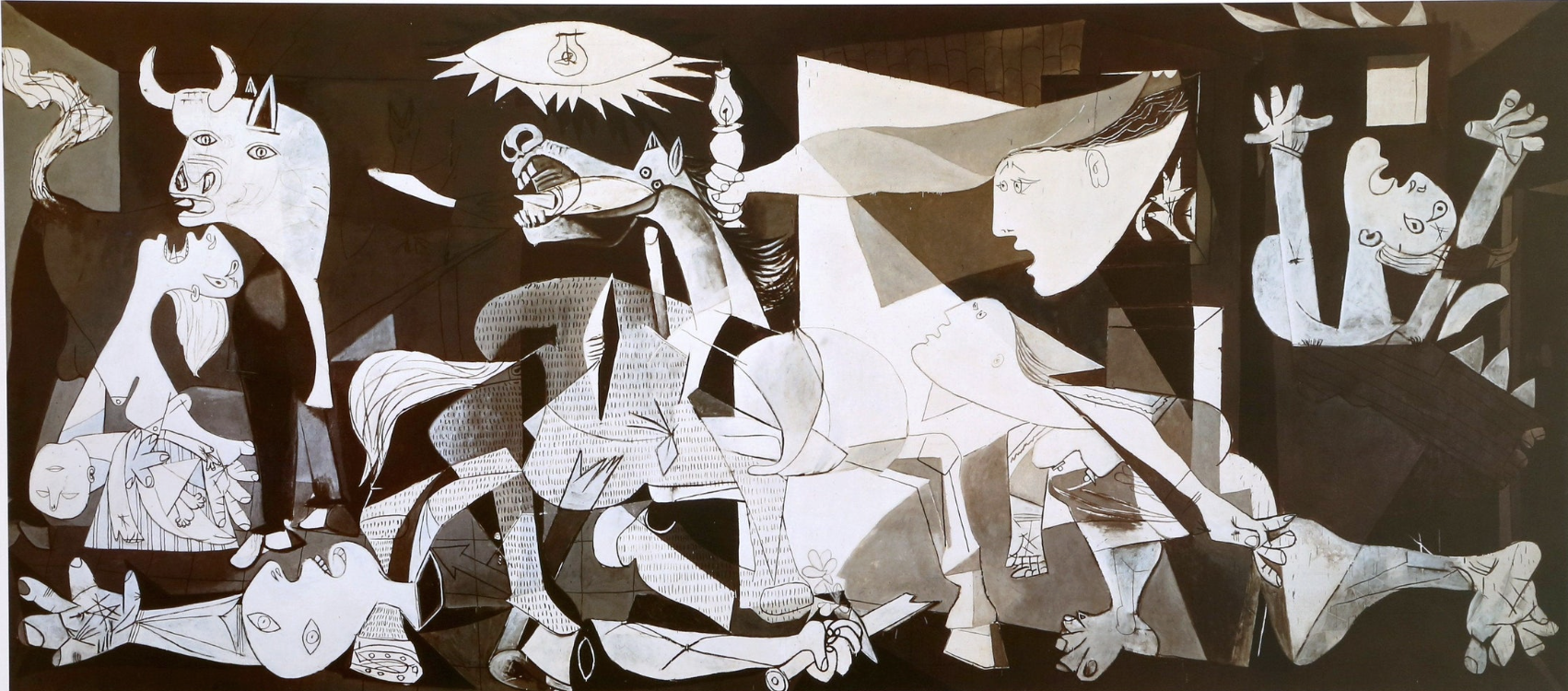
"We are responsible for the world we live in, not just because we are its inhabitants, but because we are its creators. Every act of injustice, every word of hatred, every silence in the face of wrong, adds a seed to the destruction that we all fear."
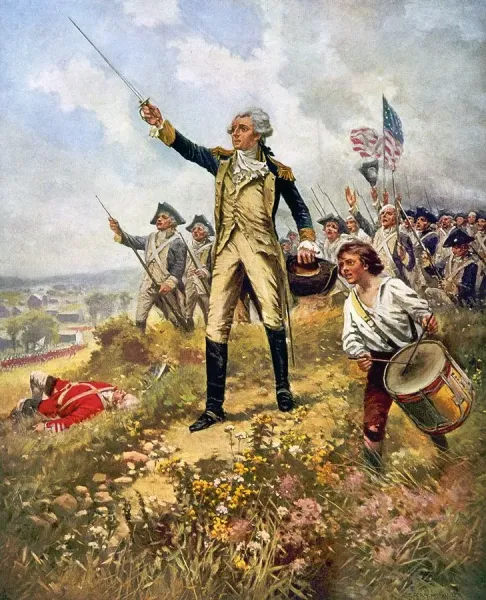
The question is only whether that which made for stability and answered so well the early modern preoccupation with permanence was enough to preserve the spirit which had become manifest during the Revolution itself. p.231
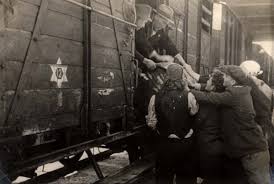
This was the way things were, this was the new law of the land, based on the F's order, whatever he did he did, as far as he could see, as a law-abiding citizen. He did his duty, as he told the police and the court over and over again, he not only obeyed orders, he obeyed the law.
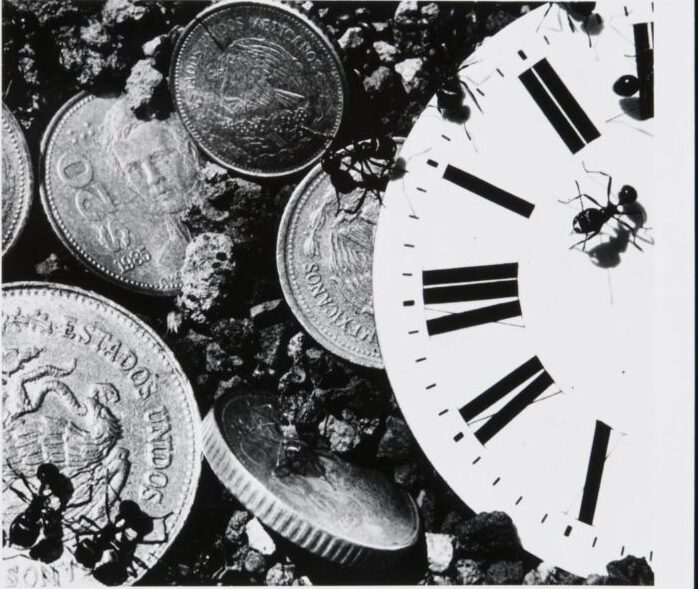
we cannot now expect a valid theory of obligation to a liberal democratic state in a possessive market society. p.275
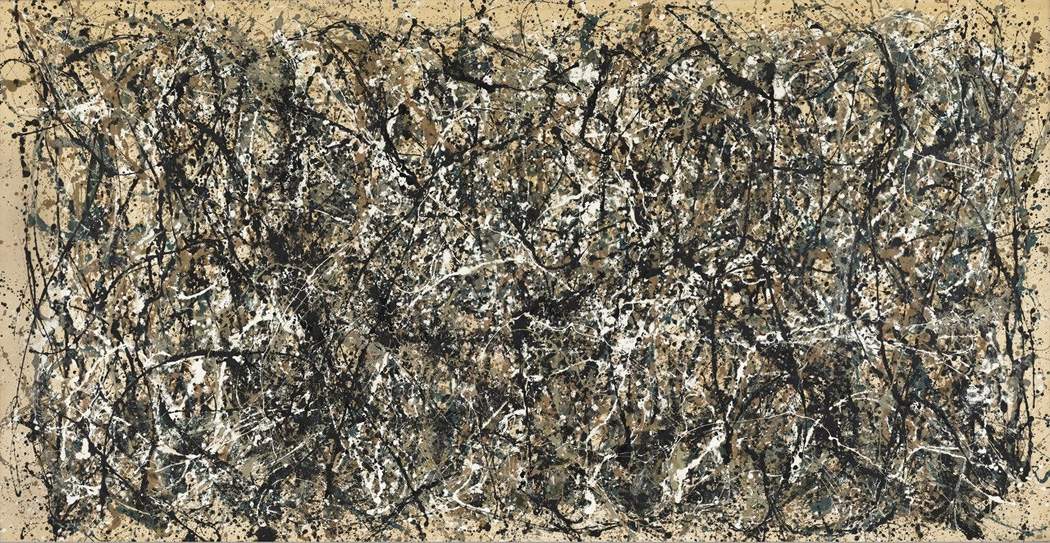
To sum up, we may say that the verdictive is an exercise of judgment, the exercitive is an assertion of influence or exercising of power, the commissive is an assuming of an obligation or declaring of an intention, the behabitive is the adopting of an attitude, and the expositive is the clarifying of reasons, arguments, and communications. p.162
As I understand it, the excellence of this conversation (as of others) springs from a tension between seriousness and playfulness. Each voice represents a serious engagement (though it is serious not merely in respect of its being pursued for the conclusions in promises); and without this seriousness the conversation would lack impetus. But in its participation in the conversation each voice learns to be playful, learns to recognize itself as a voice among voices. As with children, who are great conversationists, the playfulness is serious and the seriousness in teh end is only play. pp.201-202
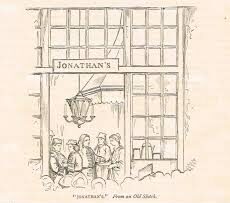
"The public sphere, once a forum for rational-critical debate, has been transformed into a court before which public relations displays its wares. The public is no longer a partner in dialogue, but an audience to be manipulated." (p. 162)

Pour qu'un vaniteux desire un objet il suffit de le convaincre que cet objet est deja desire par un tiers aquel s'attache un certain prestige. La mediateur est ici un rival que la vanite a d'abord suscite qu'elle a pour ainsi dire, appele a son existence de rival avant d'en exiger la defaite. p.20-21
Not only must the thought emerge out of the creative moment of decision in some given individual, but as a thought that pertains to life itself it must also be a historical decision -- a crisis. p.154 continued p. 155 This plan culminates in a fifth point entitled "The doctrine of eternal return as hammer in the hand of the most powerful man. Wherever the thought of thoughts is indeed thought, that is to say, is incorporated, it conducts the thinker to supreme decisions in such a way that he expands beyond himself, thus attaining power over himself and willing himself. In this way such a man is as will to power.