


Marcel, Gabriel The Mystery of Being
What is the nature of this exigence lying at the origin of philosophic research and in dnager of being smothered by the broken world of techniques and socialization? It is essentially an exigence of transcendence

Carl Schmitt The Nomos of the Earth
The earth is bound to the law in three ways; she contains law within herself, as a reward of labor; she manifests law upon herself in fixed boundaries; and she sustains law above herself, as a public sign of order.
Weil, Simone Waiting for God
Although today we seem ignorant to it, the formation of thef aculty of attention is the true goal and unique interest of all studies.

Weil, Simone On the Abolition of All Political Parties
The second condition is that the people should express their will regarding the problems of public life – and not merely choose among various individuals; or, worse, among various irresponsible organisations (for the general will does not have the slightest connection with such choices)
Leo Strauss On Tyranny: An Interpretation of Xenophon’s Hiero
Merton, Thomas The Seven Storey Mountain
"For each one of us, there is only one thing necessary: to fulfill our own destiny, according to God’s will, to be what God wanted us to be."
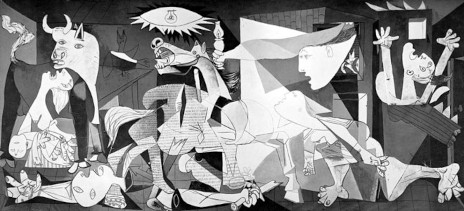
Merleau-Ponty Humanism and Terror
The human world is an open or unfinished system and the same radical contingency which threatens it with discord also rescues it from the inevitability of disorder and prevents us from despairing of it, providing only that one remembers its various machineries are actually men and tries to maintain and expand man's relations to man. p.188
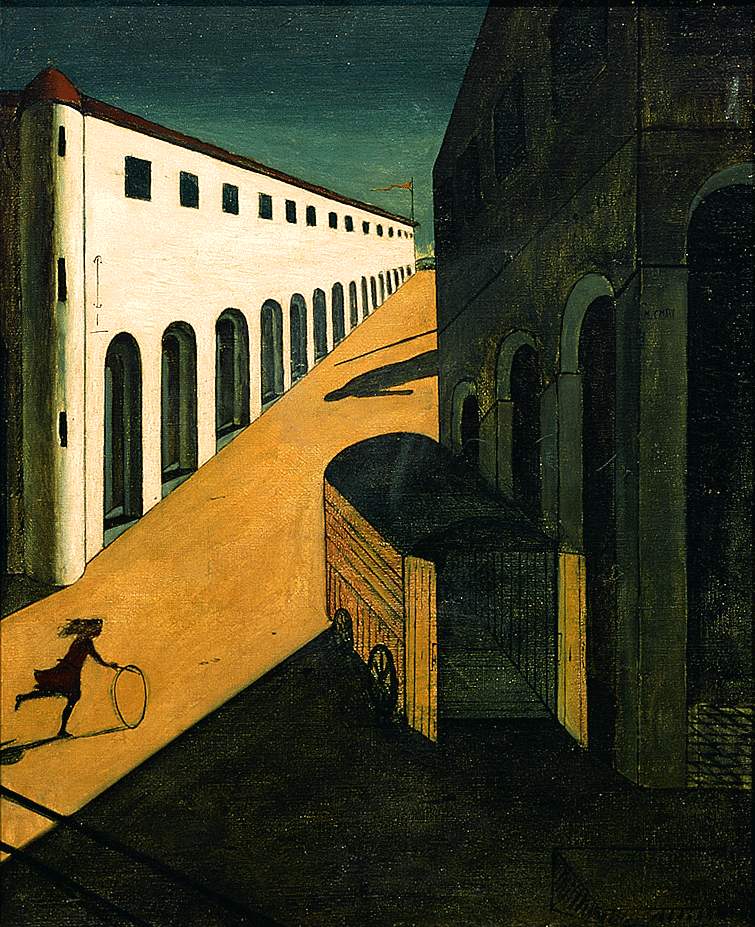
Adorno & Horkheimer The Dialectic of Enlightenment
Enlightenment, understood in the widest sense as the advance of thought, has always aimed at liberating human beings from fear and installing them as masters.
- Go to the previous page
- 1
- …
- 13
- 14
- 15
- 16
- 17
- 18
- 19
- …
- 36
- Go to the next page