
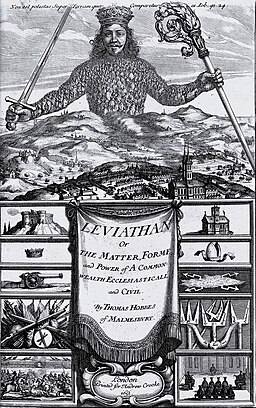
Introduction to Mimesis in Thomas Hobbes’s Leviathan
Attention to the theatrical mimesis at play in Leviathan lends a new perspective on agency in practices of citizenship.
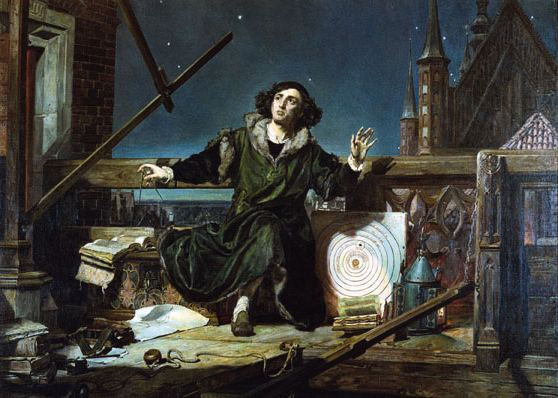
Chapter 1: Between Renaissance Humanism and the Early Modern Mechanical Sciences
theatrical mimesis means citizens can affect the normative consensus and interpretations of laws in ongoing ways, leading the reader to question whether or not the Hobbesian sovereign can unequivocally achieve peace, unity and felicity or whether disturbances to the coherence of these political values could arise from the performances and critical spectatorship of the subject-citizens themselves.
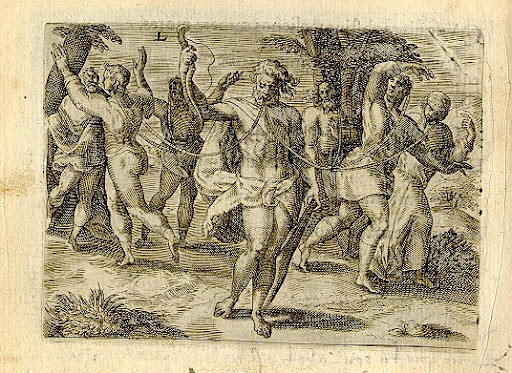

Chapter 3: Mimesis as the Imitation of Action
Poetic and linguistic mimesis are constituent powers, belonging to men who are capable of constructing a normative consensus, out of our power to make things clear or appear to one another in language.
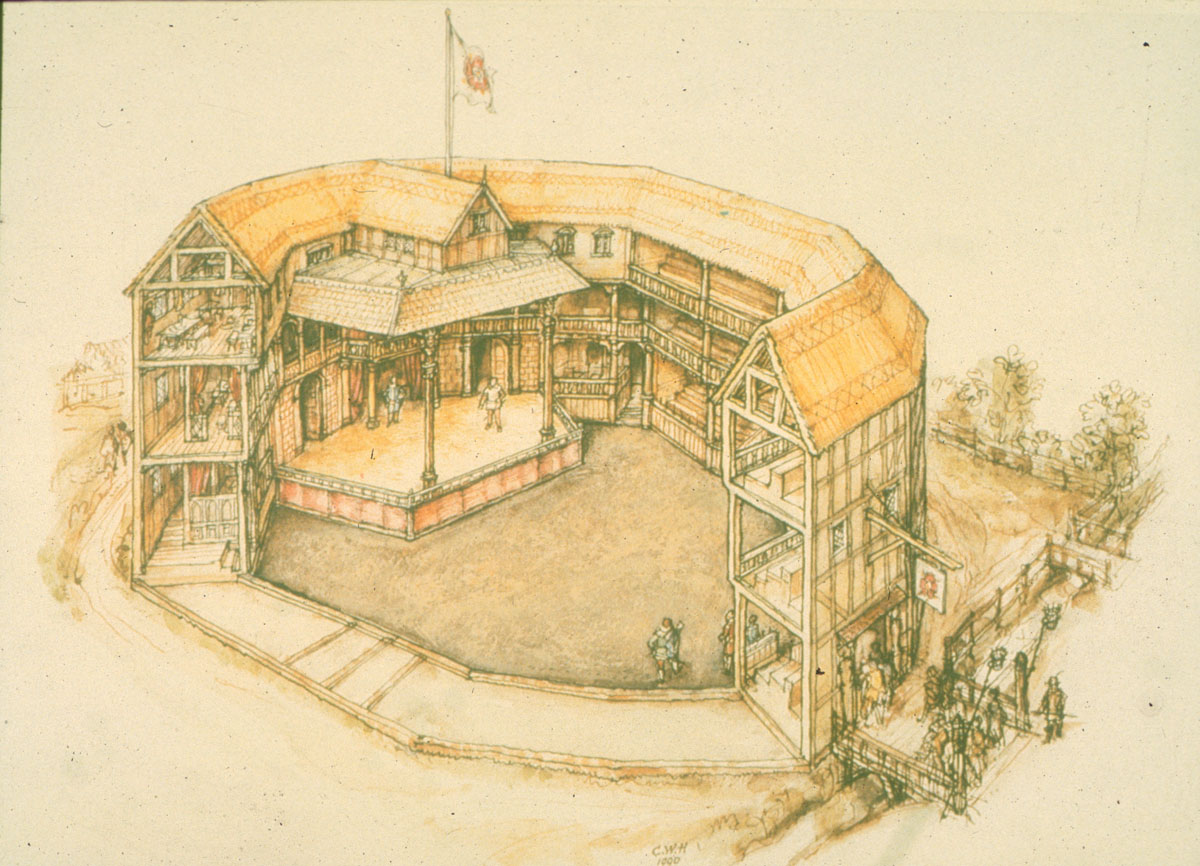
Chapter 4: Theatrum Mundi: Staging the Covenant, the spectacle of sovereignty, and the mask of obligation
“Persona in latine signifies the disguise, our outward appearance of a man, counterfeited on the Stage; and sometimes…Mask or Visard: And from the Stage, hath been translated to any Representer of speech and action, as well in Tribunalls, as Theaters. So that a Person, is the same as an Actor is, both on the Stage and in common Conversation."
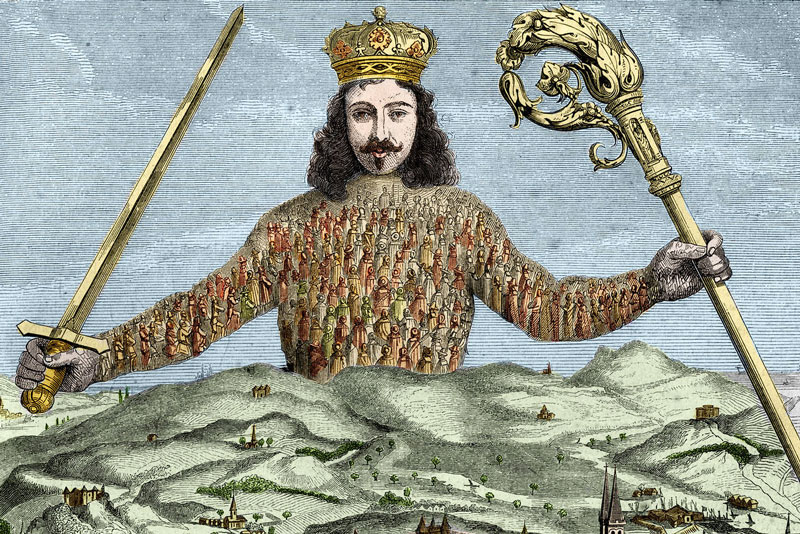

Mimesis: The Politics of the Modern Commonwealth
I have argued that only attention to mimetic dynamics in Leviathan can illuminate how Hobbes answers the question of the know-how through which the future subject-citizens can construct the political authority under which they will live.

Annotated Bibliography
Hobbes, Thomas, and Richard Tuck. Leviathan. Cambridge University Press, 1996. Aristotle and Terence Irwin, Nicomachean Ethics, 2nd ed. (Indianapolis, Ind.: Hackett Pub. Co., 1999), Aristotle, Seth Benardete, and Michael Davis, Aristotle on…