CrickinDysartWoods
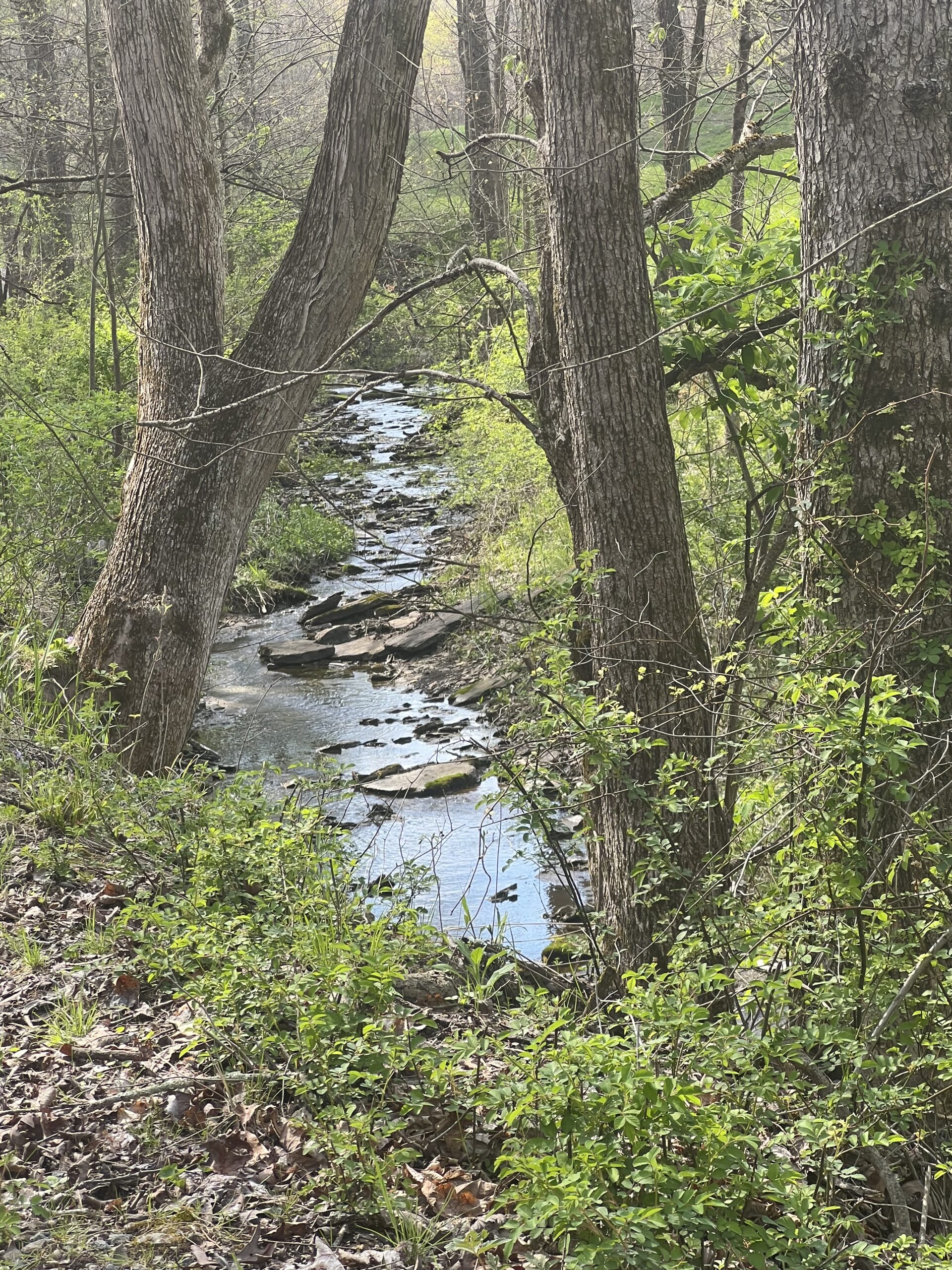
Who Lives in Dysart Woods?
I have been thinking about a citation I cannot find again. I knew where I was the first time I read this article and I'm trying to find it. Maybe…

I have been thinking about a citation I cannot find again. I knew where I was the first time I read this article and I'm trying to find it. Maybe…
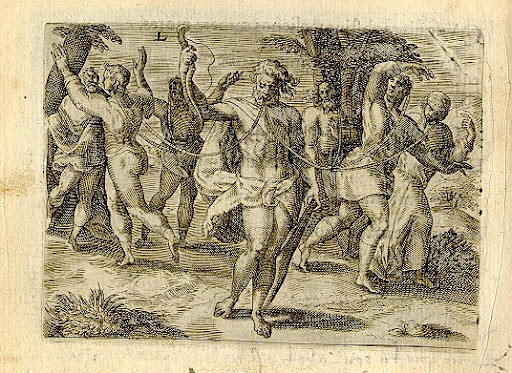
Finally, there is the still more rhetorically minded view associated with Renaissance humanism: that our watchword ought to be audi alteram partem, always listen to the other side. This commitment stems from the belief that, in moral and political debate, it will always be possible to speak in utramque partem, and will never be possible to couch our moral or political theories in deductive form. The approprate model will always be that of a dialogue, the appropriate stance a willingness to negotiate over rival intuitions concerning the applicability of evaluative terms. We must strive to reaching understanding and resolve disputes in a conversational way. p. 15-16
Is there such thing as political philosophy? The question seems incongruous for two reasons. First theorizing about community and its purpose, about law and its foundation, has been going on ever since our philosophical traditional kicked off and has never ceased to keep it vital. Second, for awhile now, political philosophy has been loudly trumpeting its return with a new lease on life.
"Let us define 'ethical aim' by the following three terms: aiming at the 'good life' with and for others, in just institutions."
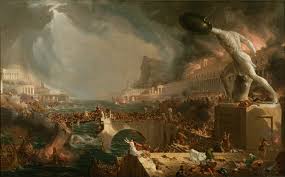
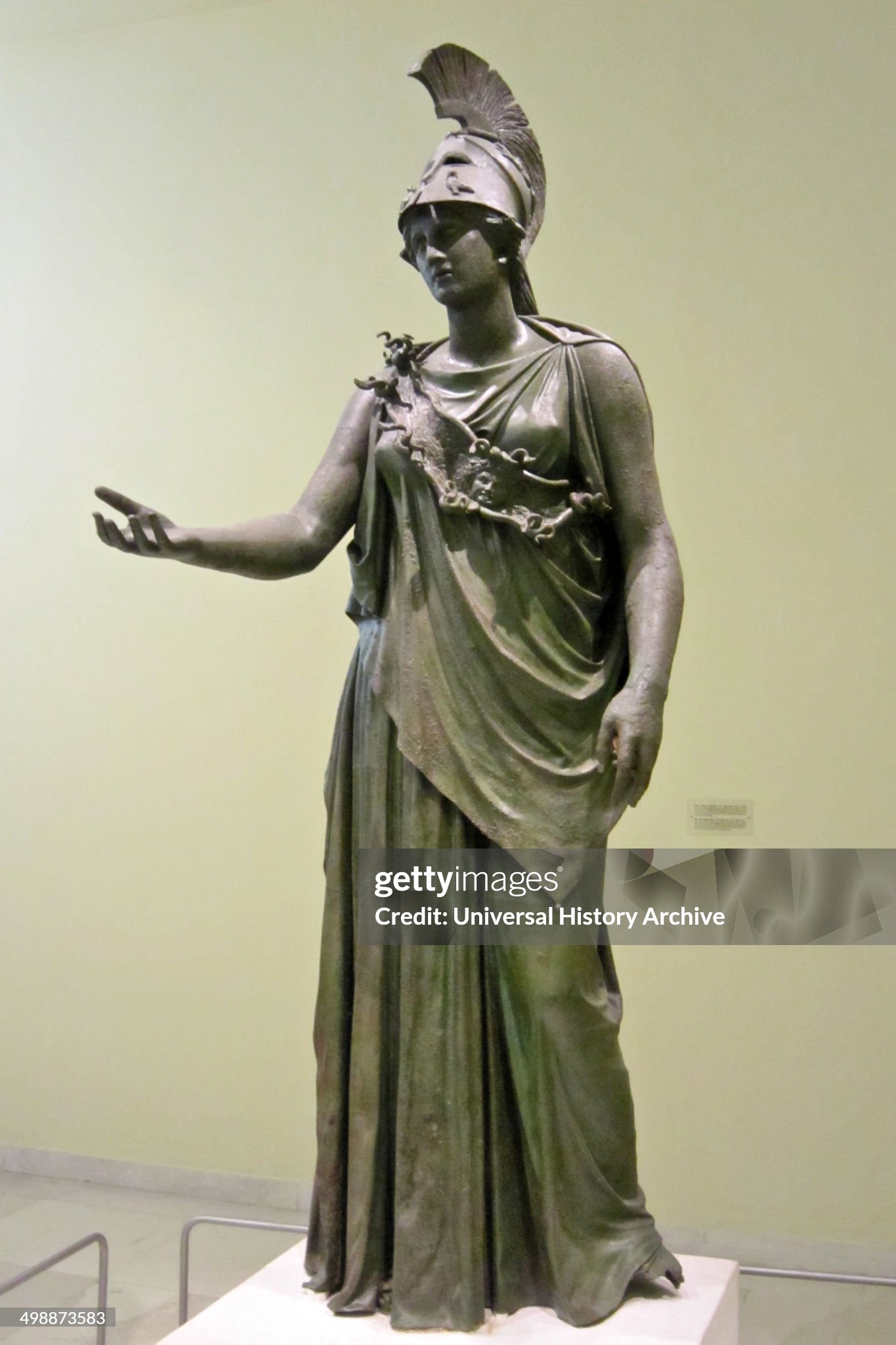
The lesson of the contest between virtue and virtú, is that politics never gets things right, over, and done with. The conclusion is not nihilistic but radically democratic. To accept and embrace the perpetuity of contest is to reject the dream of displacement, the fantasy that the right laws or constitution might some day free us from the responsiblity for, (and, indeed, the burden of) politics.