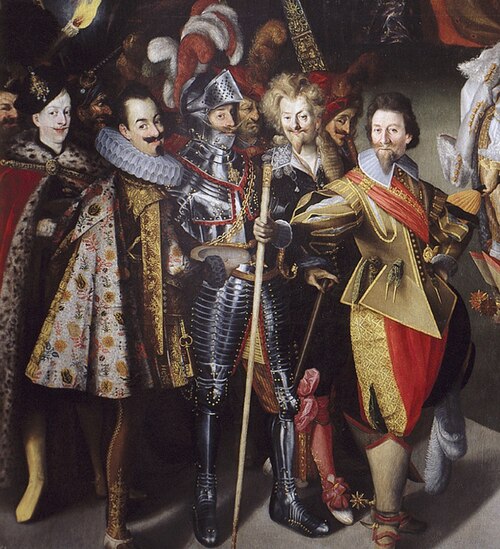
Read more about the article Walter Benjamin The Origin of German Tragic Drama
GermantragicdramaStrobel bautista crop left

Walter Benjamin The Origin of German Tragic Drama

The intrigue alone would have been able to bring about that allegorical totality of scenic reorganization, thanks to which one of the images of the sequence stands out, in the image of the apotheosis, as different in kind, and gives mourning at one and the same time the cue for its entry and its exit. The powerful design of this form should be though through to its conclusion; only under this condition is it possible to discuss the idea of the German Trauerspiel. In the ruins of great buildings the idea of the plan speaks more impressively than in lesser buildings, however well preserved they are; and for this reason the German Trauerspiel merits interpretation. In the spirit of allegory it is conceived from the outset as a ruin, a fragment. Others may shine resplendently as on the first day; this form preserves the image of beauty to the very last. p.235
Continue ReadingWalter Benjamin The Origin of German Tragic Drama
Read more about the article Heidegger  Being and Time
BeinginTime

Heidegger Being and Time

"Läßt sich die Zeit selbst als Horizont des Seins offenbaren? Ist die Zeit selbst der Modus der Zeitlichkeit, oder ist diese nur ein Modus der Zeit? Ist die Zeit selbst das Ziel des Entwurfs, oder ist sie nur der Horizont des Seins? Welcher Art ist dieser Unterschied zwischen Sein und Zeit? Die Untersuchung ist auf dem Wege — wohin?"

Continue ReadingHeidegger Being and Time
Read more about the article Wittgenstein Tractatus Logico-Philosophicus
Sterrett article foto MAIN

Wittgenstein Tractatus Logico-Philosophicus

The book deals with the problems of philosophy and shows, as I believe, that the method of formulating these problems rests on the misunderstanding of the logic of our language. Its whole meaning could be summed up somewhat as follows: What can be said at all can be said clearly; and whereof one cannot speak thereof one must be silent. The book will, therefore, draw a limit to thinking, or rather not to thinking, but to the expression of thoughts; for, in order to draw a limit to thinking we should have to be able to think both sides of this limit (we should therefore have to be able to think what cannot be thought). The limit can, therefore, only be drawn in language and what lies on the other side of the limit will be simply nonsense.

Continue ReadingWittgenstein Tractatus Logico-Philosophicus