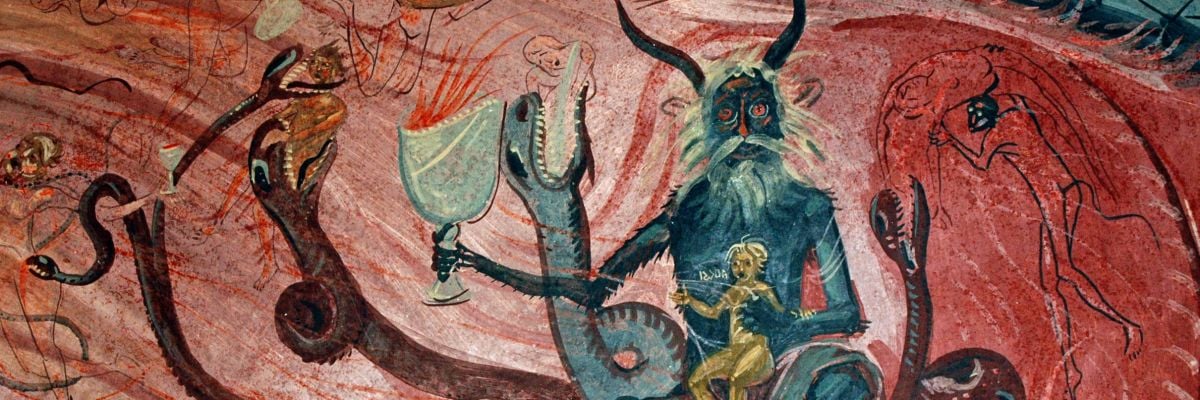
AntichristAdobeStock 40221883 1200x400
Nietzsche, The Antichrist
What is good? -- All that heightens the feeling of power, the will to power, power itself in man. p.127

What is good? -- All that heightens the feeling of power, the will to power, power itself in man. p.127
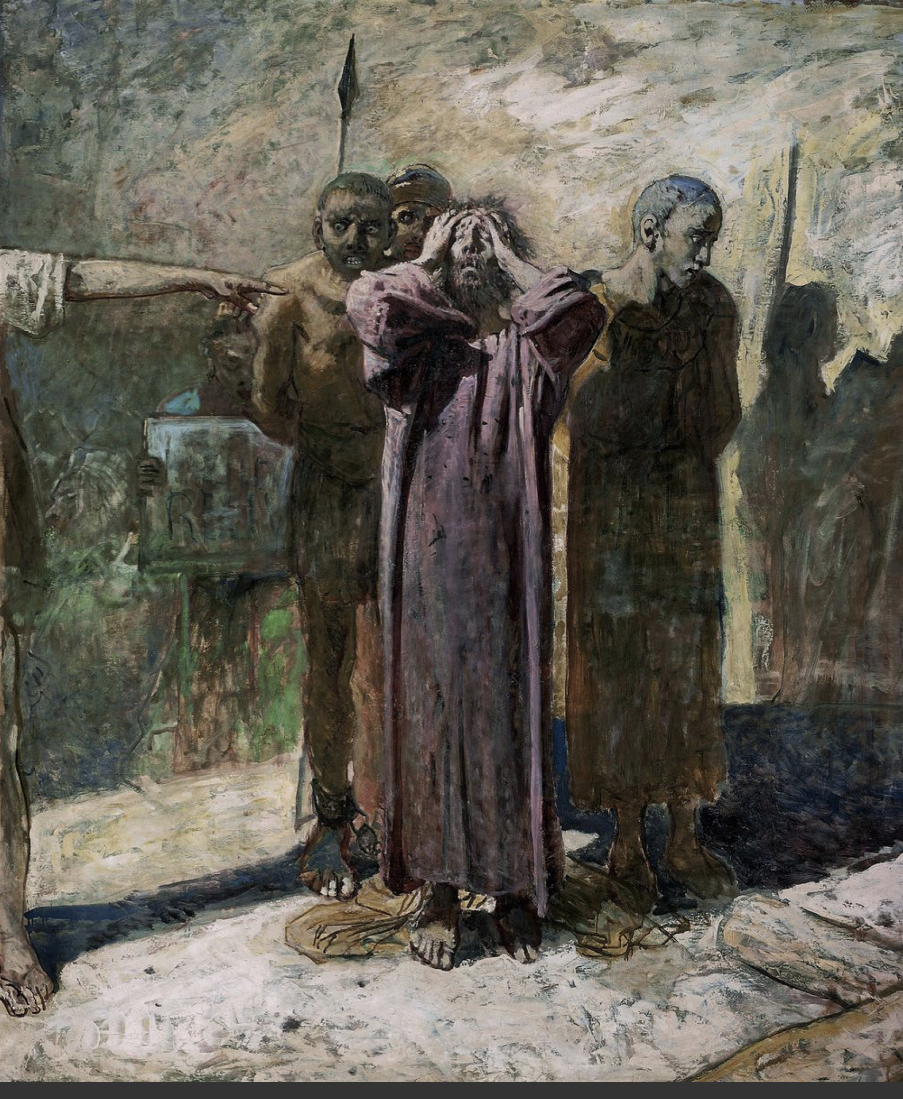
"State authority, even if it clears away old injustices, always creates new ones, just because it is state authority. It cannot act otherwise, for it is based on violence, and violence is the negation of love."
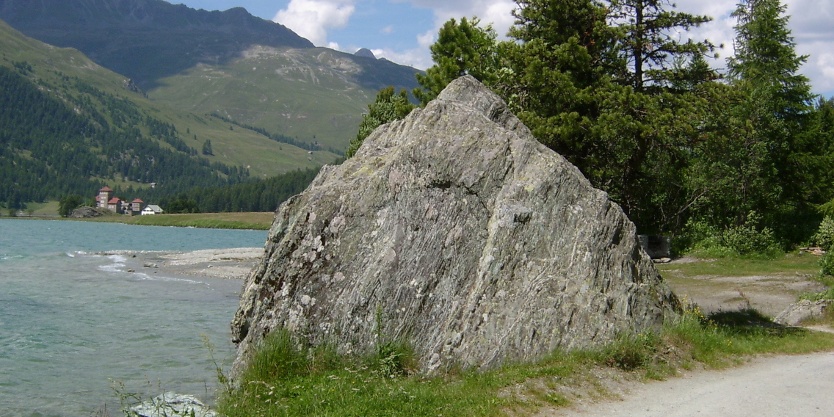
They are antithetical to one another, these roads; they directly abut on one another:—and it is here, at this gateway, that they come together. The name of the gateway is inscribed above: ‘This Moment.’
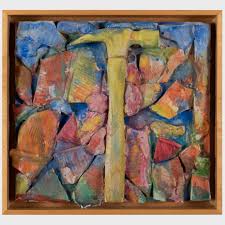
This new law-table do I put over you, O my brothers: Become hard!
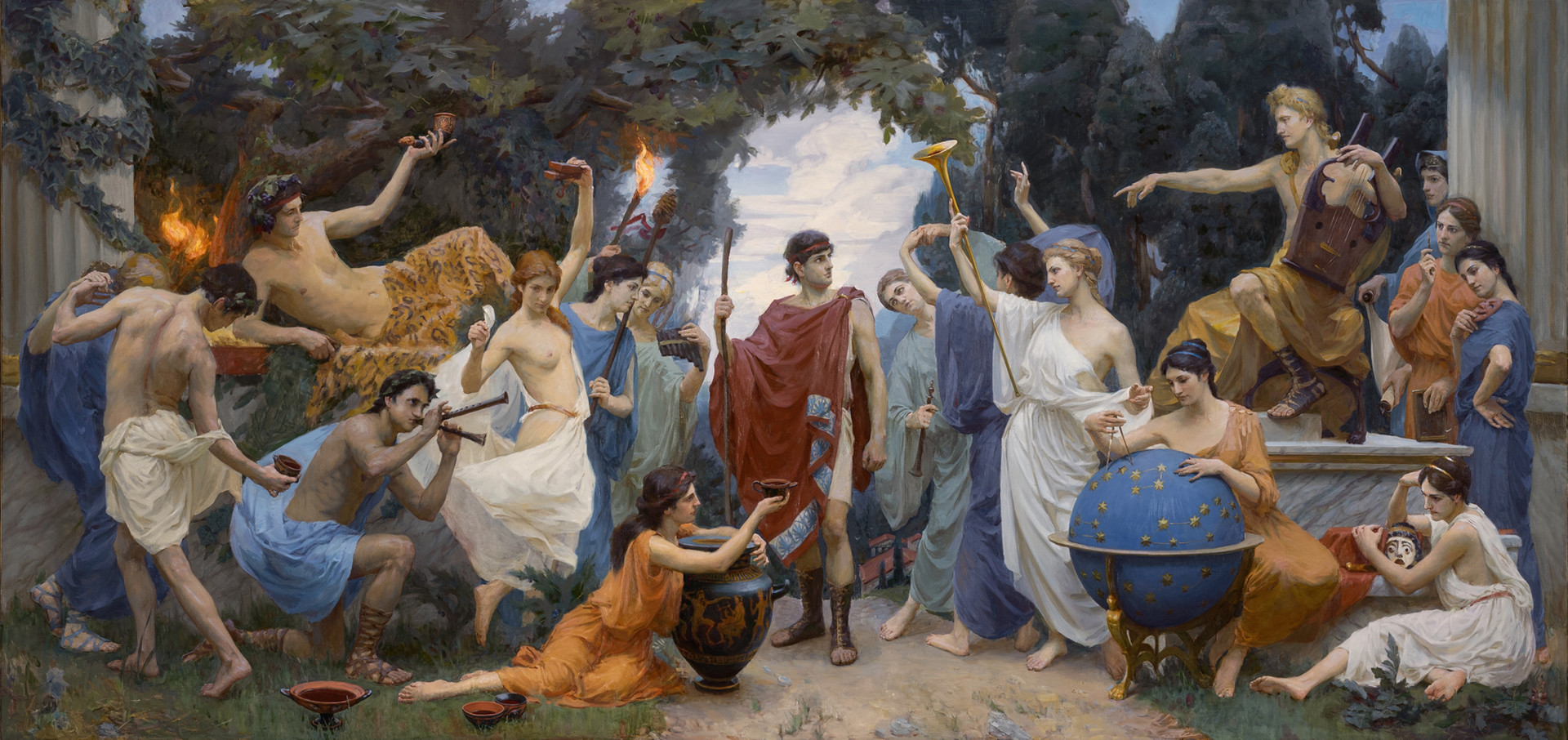
The ascetic priest is the incarnate wish for being otherwise, being elsewhere, indeed, he is the highest pitch of this wish. p.93
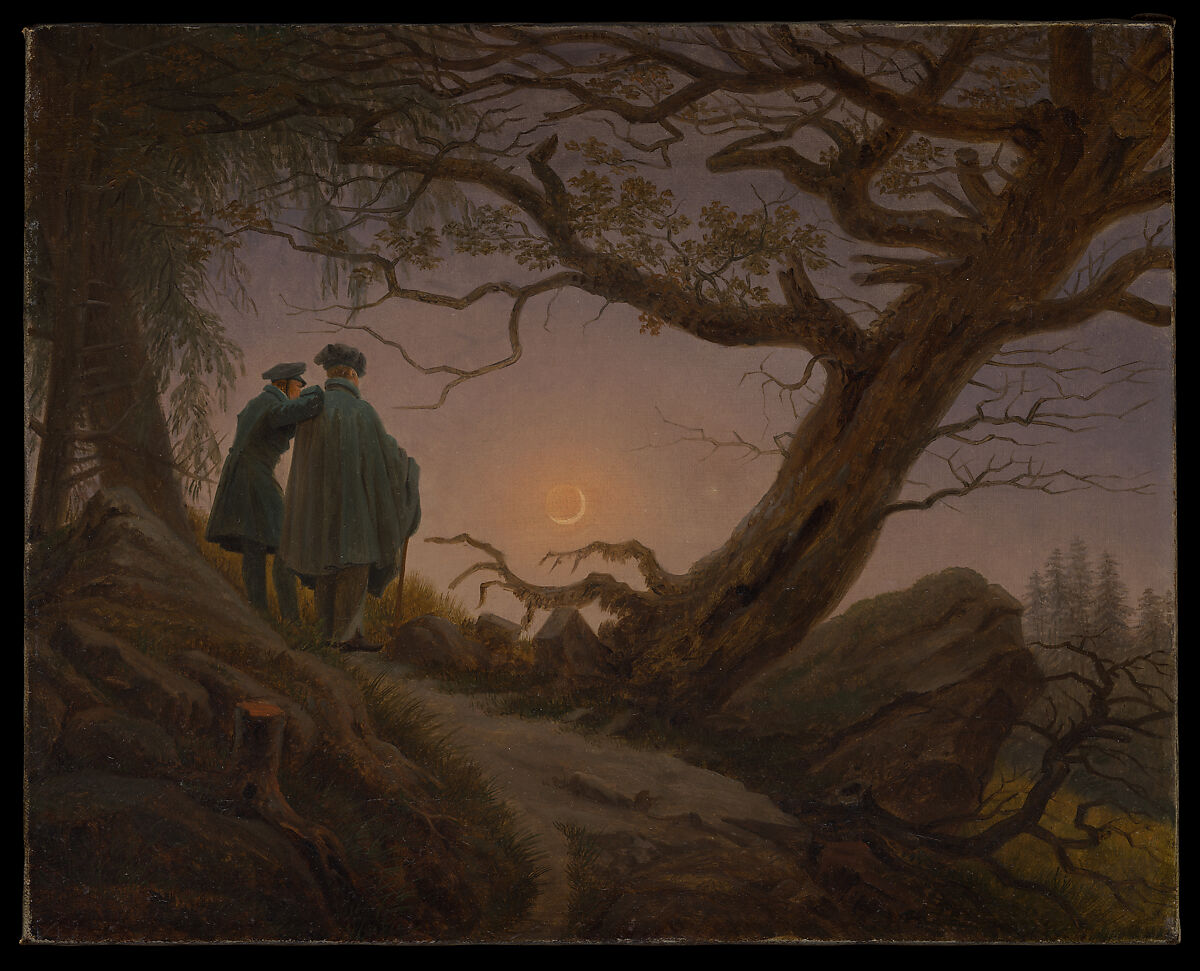
Moreover, one has much to learn from children in another way. In every child there is something original, and upon that all abstract principles and maxims come to grief.
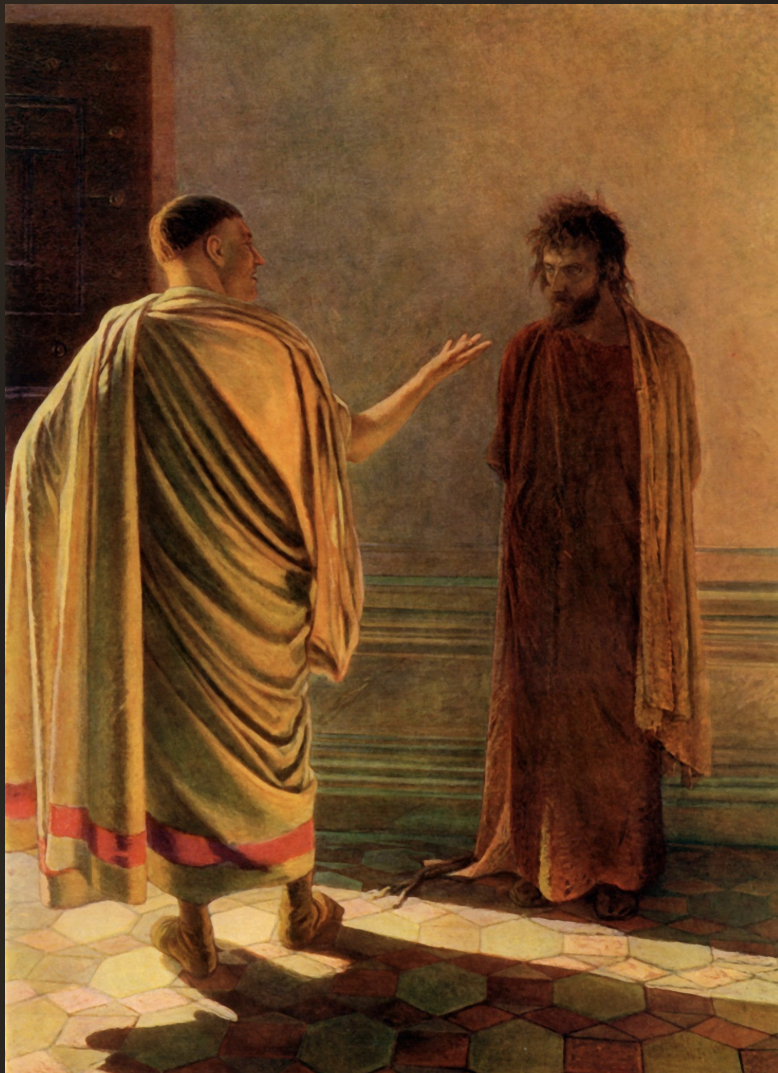
I do not now concern myself with theology and the Gospels, but with an inner work of an entirely different nature. I have to do now, with nothing systematic or methodical, only with that sudden light which showed me the Gospel doctrine in all its simple beauty.
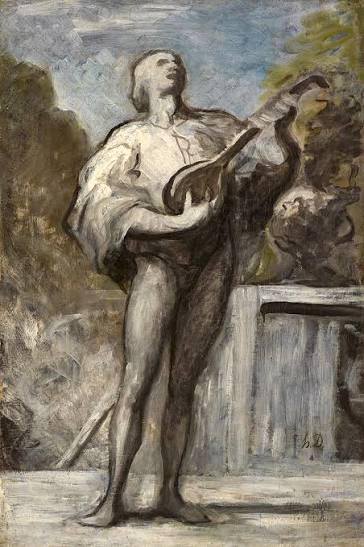
I live in my own place, have never copied nobody even half, and at any master who lacks the grace to laugh at himself -- I laugh. OVER THE DOOR TO MY HOUSE
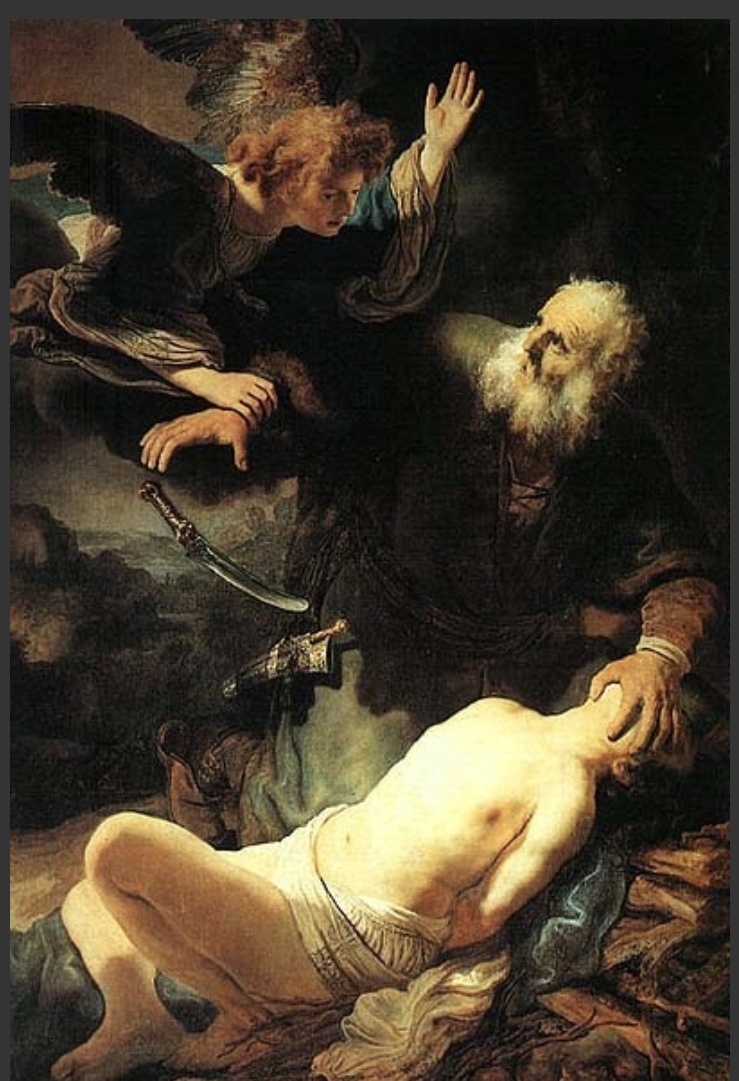
And again, must one not loathe being human? For these millions who on their knees made pilgrimage to His grave, this throng of people which no power on earth was able to overcome: but one thing were necessary, Christ's return—and all these millions would quickly regain their feet to run their way, so that the whole throng were as if blown away; or would, in a mass, and erect enough, rush upon Christ in order to kill him.
...I went straight to my business. The world, I said, seemed to be in the dark about the International, hating it very much, but not able to say clearly what thing it hated. Some, who professed to have peered further into the gloom than their neighbors, declared that they had made out a sort of Janus figure with a fair, honest workman's smile on one of the faces, and on the other a murderous conspirator's scowl. Would he light up the case of mystery in which the theory dwelt?