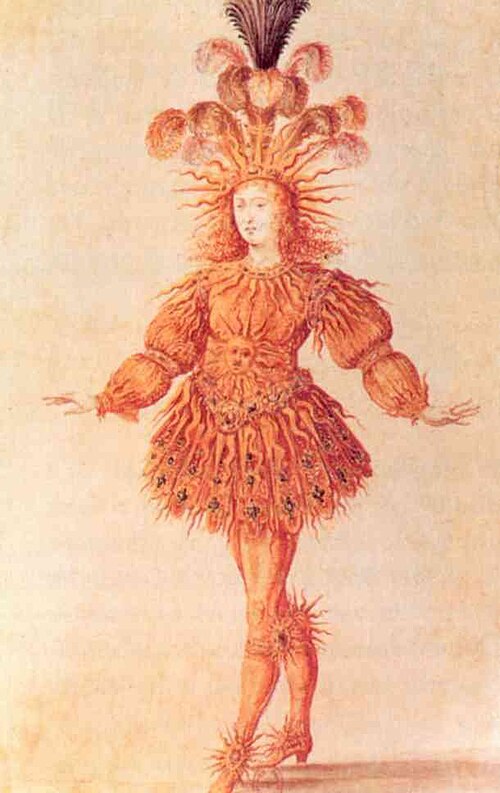
Louis XIV habillé en soleil
Carl Schmitt Political Theology: Four Chapters on the Concept of Sovereignty
Sovereign is he who decides on the exception.

Sovereign is he who decides on the exception.
The book deals with the problems of philosophy and shows, as I believe, that the method of formulating these problems rests on the misunderstanding of the logic of our language. Its whole meaning could be summed up somewhat as follows: What can be said at all can be said clearly; and whereof one cannot speak thereof one must be silent. The book will, therefore, draw a limit to thinking, or rather not to thinking, but to the expression of thoughts; for, in order to draw a limit to thinking we should have to be able to think both sides of this limit (we should therefore have to be able to think what cannot be thought). The limit can, therefore, only be drawn in language and what lies on the other side of the limit will be simply nonsense.
Every romantic avoid teh definitive choice. He wants to keep all possibilities open, and he changes his point of view from day to day because he is fascinated only by the new. p.65
However, in asking for the ‘legitimations’ of this obedience, one meets with these three ‘pure’ types: ‘traditional,’ ‘charismatic,’ and ‘legal.’ These conceptions of legitimacy and their inner justifications are of very great significance for the structure of domination.
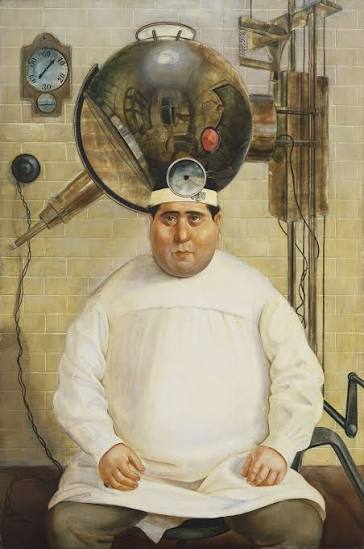
The door is shut. The singing stops. Clouds move in front of the moon.
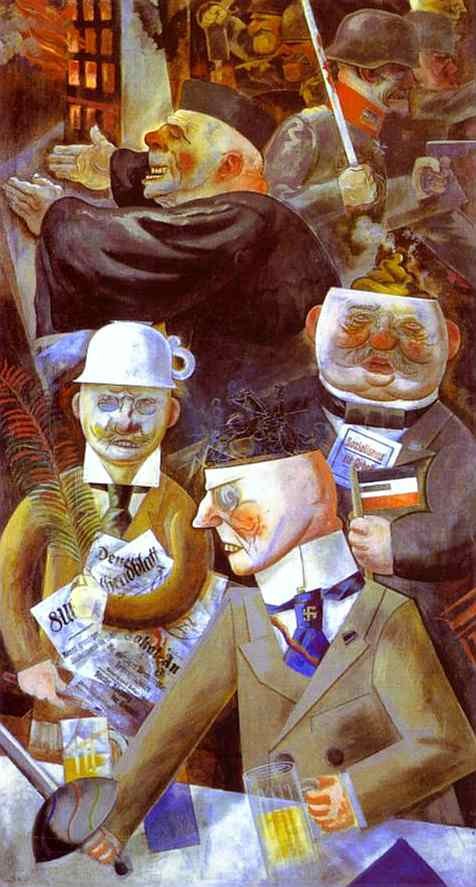
And now, as the inscription is made on the body, everyone can see through the glass. Don’t you want to come closer and see the needles for yourself.
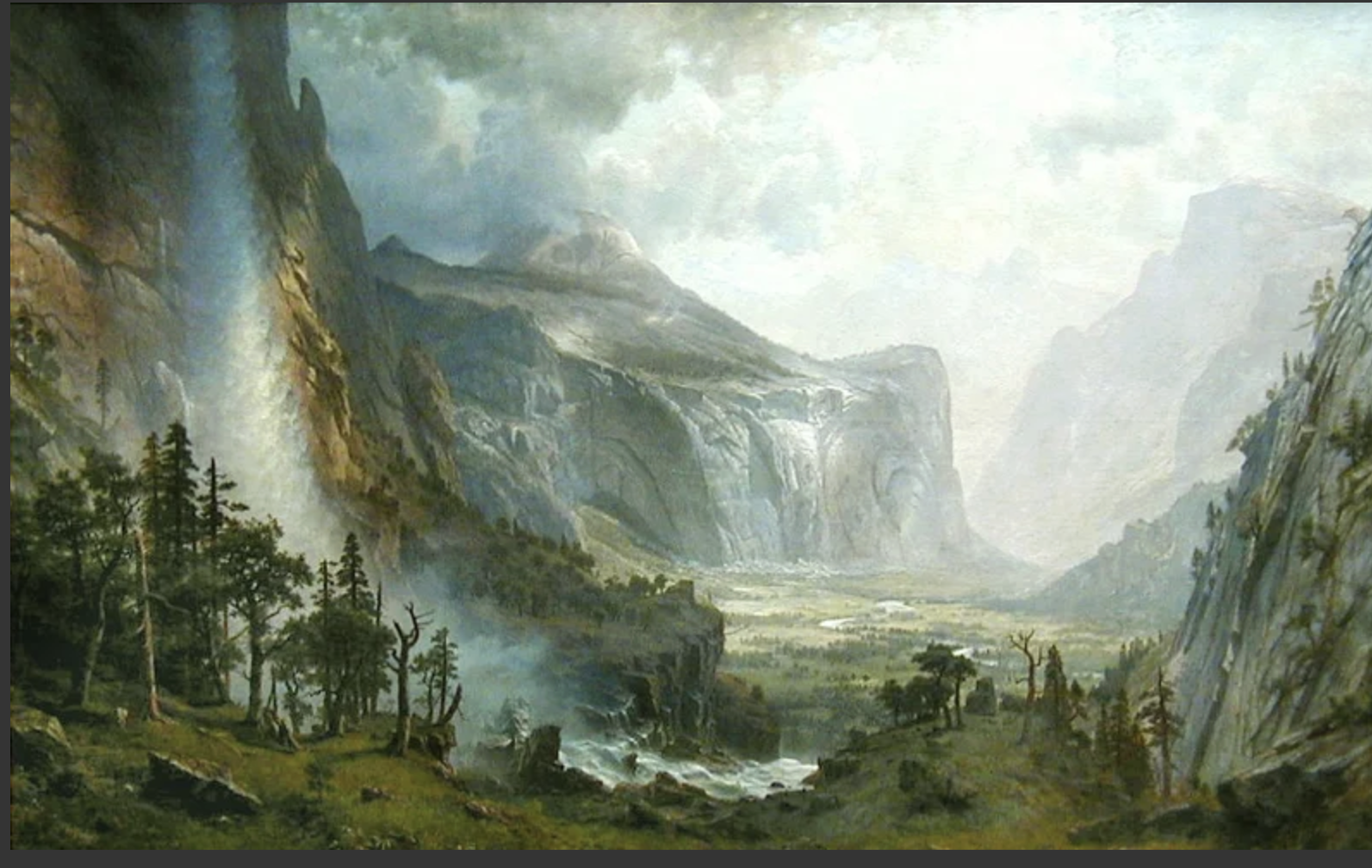
Would it not be well, therefore, for some one to go back as far as possible and take a fresh start? (Steep Trails)
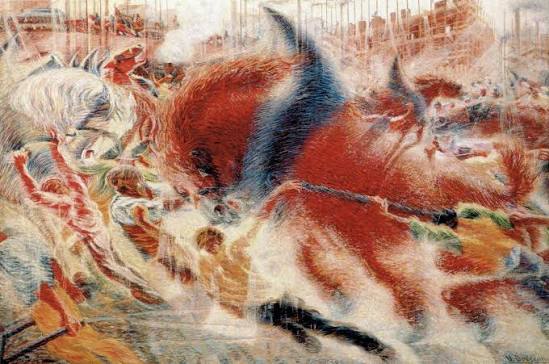
One morning, when Gregor Samsa woke from troubled dreams, he found himself transformed in his bed into a horrible vermin.
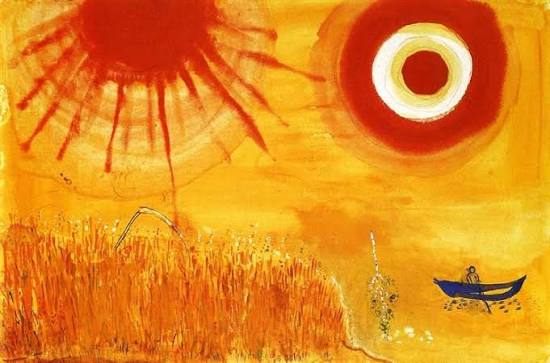
Pure phenomenology, to which we are here seeking the way, whose unique position in regard to all other sciences we wish to make clear, and to set forth as the most fundamental region of philosophy, is an essentially new science, which in virtue of its own governing peculiarity lies far removed from our ordinary thing, and has not until our own day therefore shown an impulse to develop. p.37 Gibson translation.
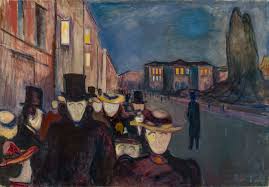
he said himself that he no longer understood conditions in his homeland