Read more about the article Thoreau, Henry David LIfe without Principle
Thoreau, Henry David LIfe without Principle

Thoreau, Henry David LIfe without Principle

This world is a place of business. What an infinite bustle! I am awaked almost every night by the panting of the locomotive. It interrupts my dreams. There is no sabbath. It would be glorious to see mankind at leisure for once. It is nothing but work, work, work. I cannot easily buy a blank-book to write thoughts in; they are commonly ruled for dollars and cents.
Continue ReadingThoreau, Henry David LIfe without Principle
Read more about the article Marx Surveys from Exile Political Writings volume 2
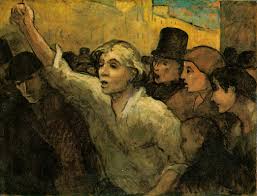
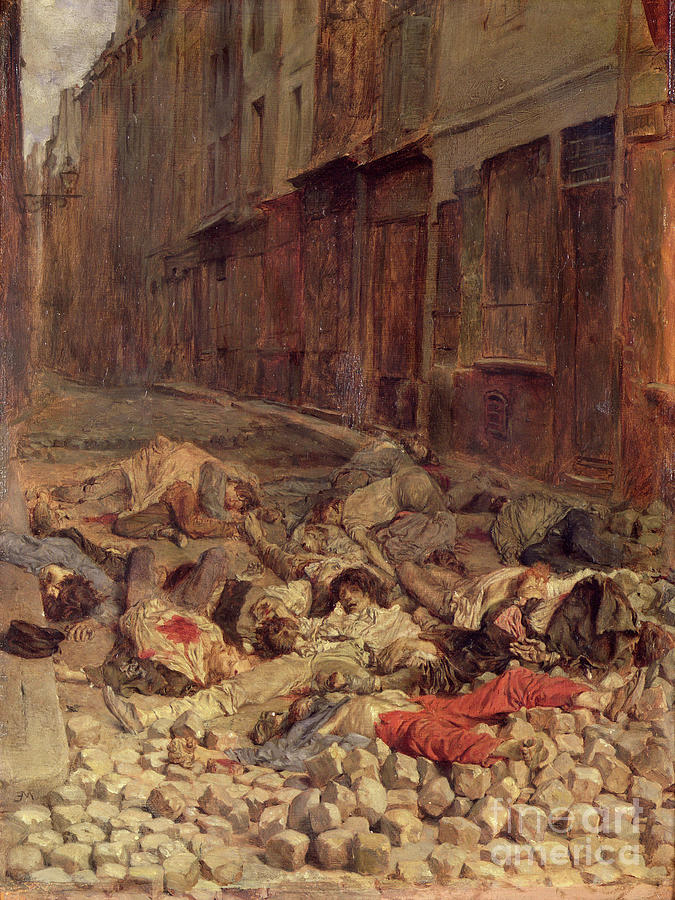
barricade in the rue de la mortellerie june 1848 jean louis ernest meissonier

Marx Surveys from Exile Political Writings volume 2

A century earlier, in the same way but at a different stage of development, Cromwell and the English people had borrowed for their bourgeois revolution the language, passions and illusions of the Old Testament. When the actual goal had been reached, when the bourgeois transformation of English society had been accomplished, Locke drove out Habakkuk. In these revolutions, then, the resurrection of the dead served to exalt the new struggles, rather than to parody the old, to exaggerate the given task in the imagination, rather than to flee from solving it in reality, and to recover the spirit of the revolution, rather than to set its ghost walking again.

Continue ReadingMarx Surveys from Exile Political Writings volume 2
Read more about the article Thoreau, Henry David Walking
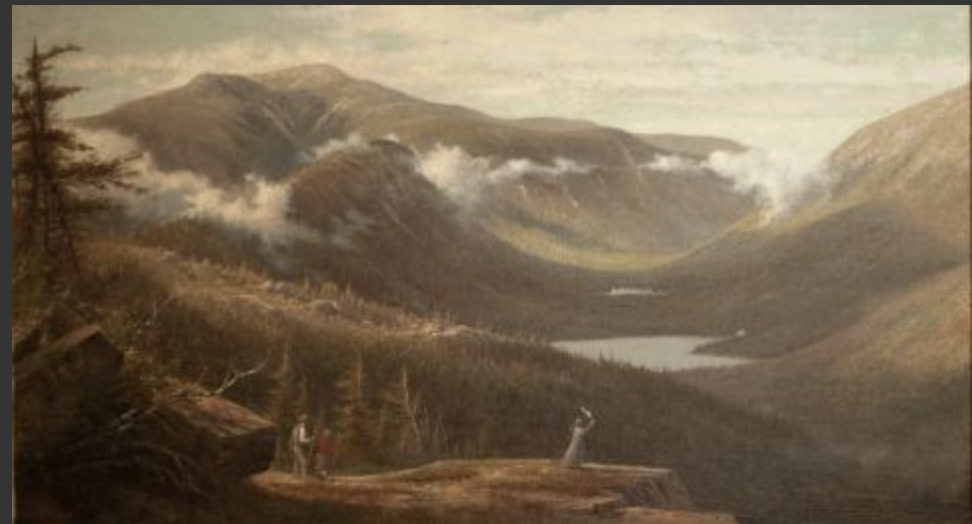
Homer, Winslow. The Summit of Whiteface Mountain. 1873. Oil on canvas. Crystal Bridges Museum of American Art, Bentonville.

Thoreau, Henry David Walking

I wish to speak a word for Nature, for absolute Freedom and Wildness, as contrasted with a freedom and culture merely civil,—to regard man as an inhabitant, or a part and parcel of Nature, rather than a member of society.

Continue ReadingThoreau, Henry David Walking
Read more about the article John Stuart Mill On Liberty
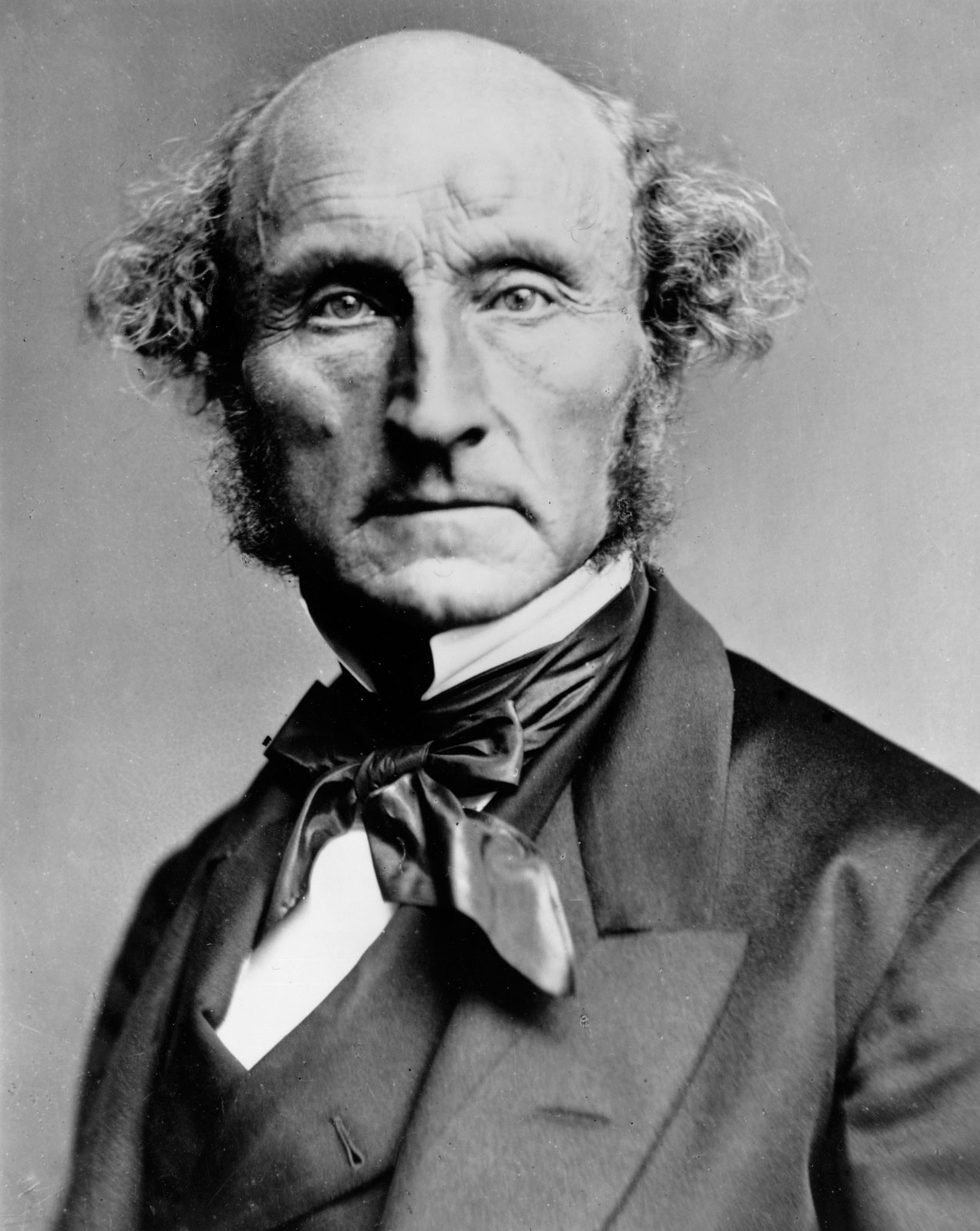
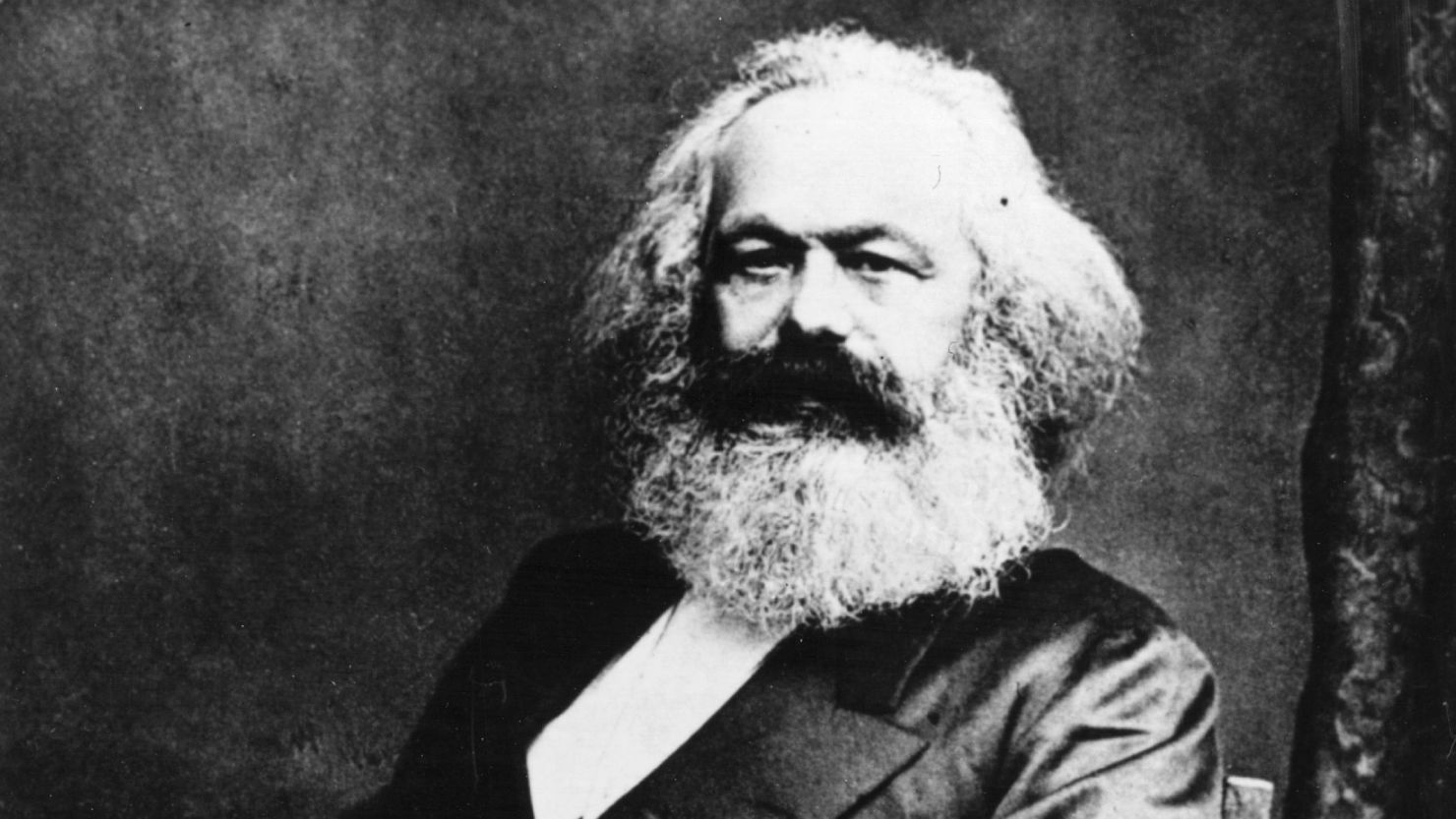
John Stuart Mill by London Stereoscopic Company, c1870

John Stuart Mill On Liberty

The subject of this Essay is ... Civil, or Social Liberty: the nature and limits of the power which can be legitimately exercised by society over the individual. A question seldom stated, and hardly ever discussed, in general terms, but which profoundly influences the practical controversies of the age by its latent presence, and is likely soon to make itself recognised as the vital question of the future. It is so far from being new, that in a certain sense, it has divided mankind, almost from the remotest ages; but in the stage of progress into which the more civilised portions of the species have now[Pg 2] entered, it presents itself under new conditions, and requires a different and more fundamental treatment. The struggle between Liberty and Authority is the most conspicuous feature in the portions of history with which we are earliest familiar, particularly in that of Greece, Rome, and England.

Continue ReadingJohn Stuart Mill On Liberty
Read more about the article Marx: Grundisse: Foundations of the Critique of Political Economy
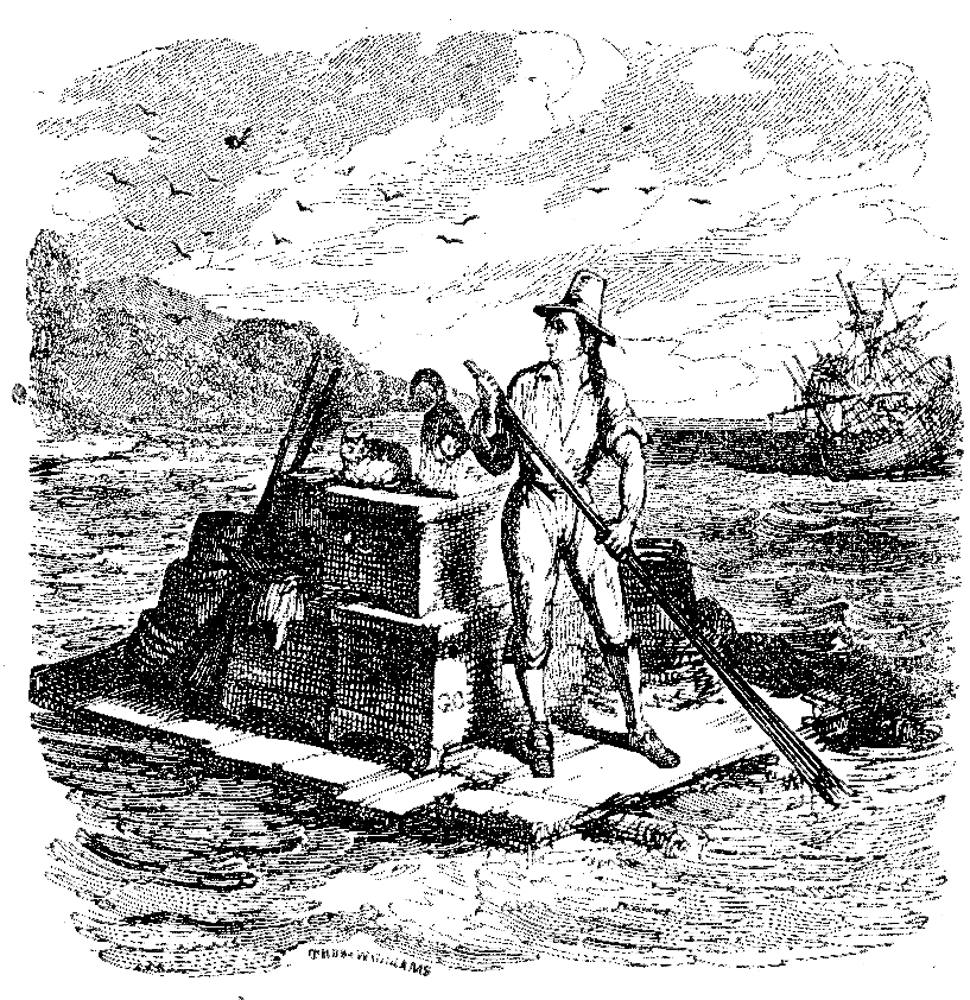
Cruikshank, George. Robinson Crusoe on his Raft. 1831

Marx: Grundisse: Foundations of the Critique of Political Economy

"The individual and isolated hunter and fisherman, with whom Smith and Ricardo begin, belongs among the unimaginative conceits of the eighteenth-century Robinsonades, which in no way express merely a reaction against over-sophistication and a return to a misunderstood natural life, as cultural historians imagine. It is no more based on such a naturalism than is Rousseau’s contrat social, which brings naturally independent, autonomous subjects into relation and connection by means of a contract. This is the semblance and only the aesthetic semblance of the Robinsonades, great and small."

Continue ReadingMarx: Grundisse: Foundations of the Critique of Political Economy
Read more about the article Thoreau, Henry David Resistance to Civil Government
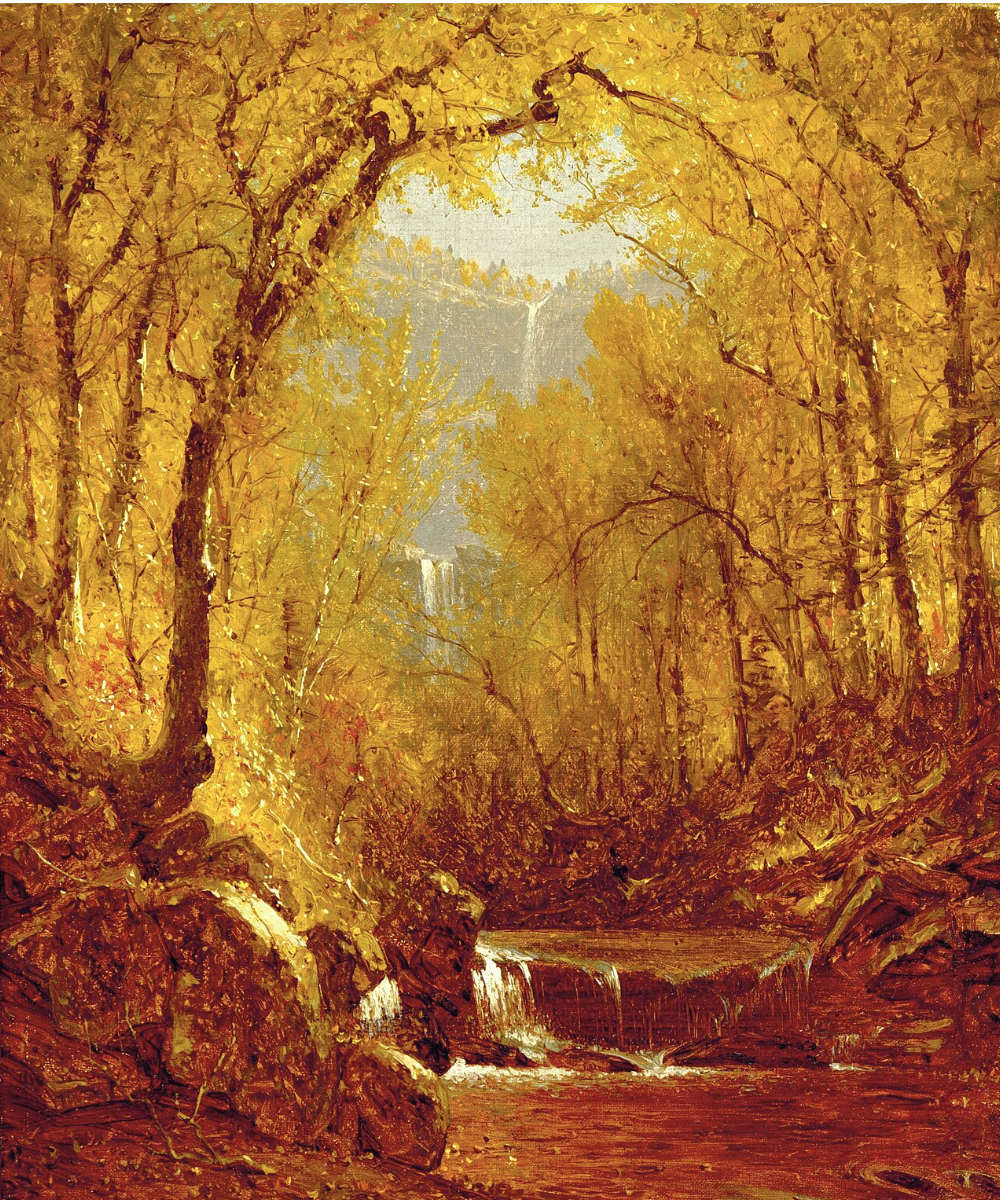
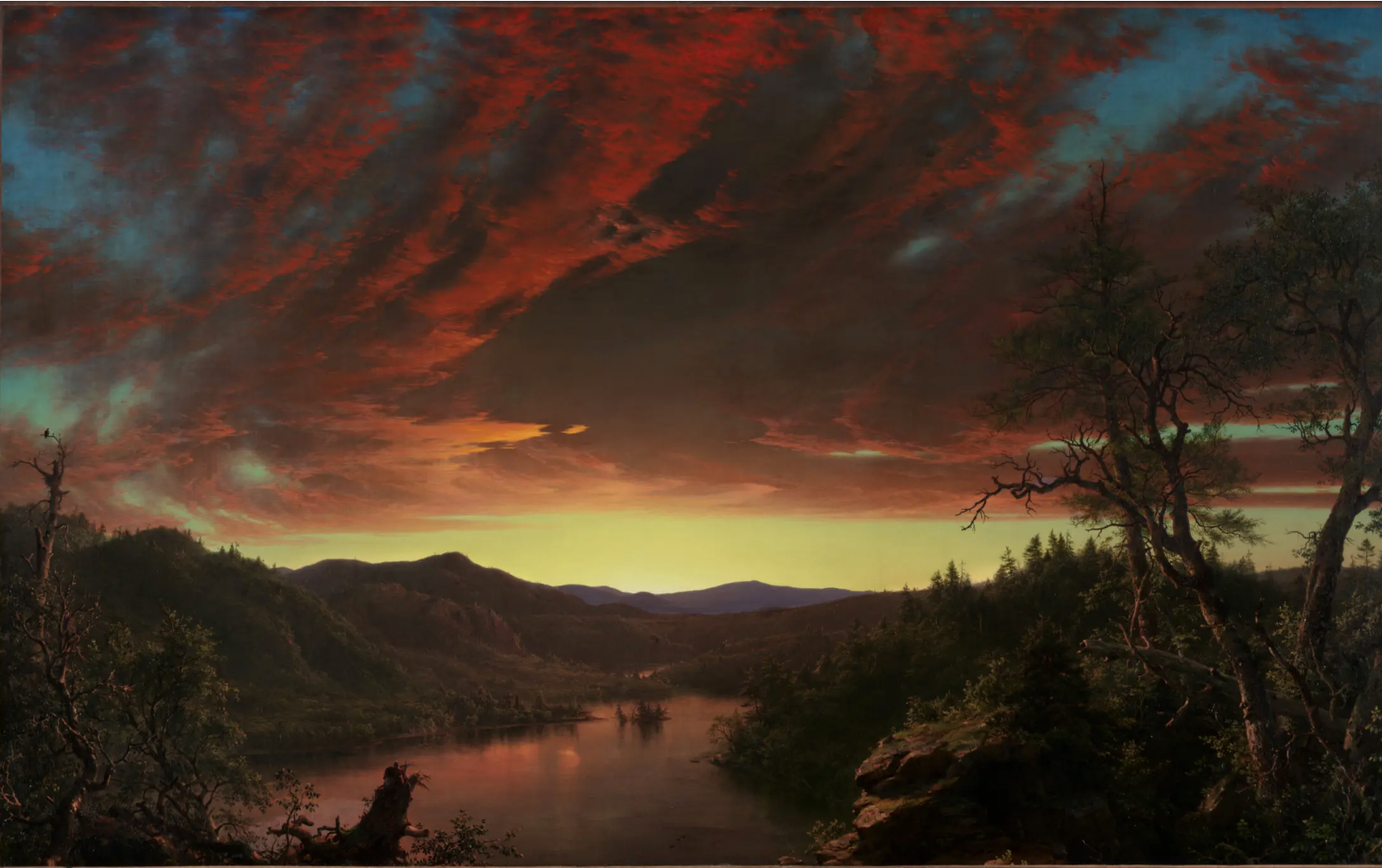
Frederic Edwin Church, Twilight in the Wilderness, 1860, Oil on canvas, Cleveland Museum of Art, Cleveland.

Thoreau, Henry David Resistance to Civil Government

There will never be a really free and enlightened State, until the State comes to recognize the individual as a higher and independent power, from which all its own power and authority are derived, and treats him accordingly. I please myself with imagining a State at last which can afford to be just to all men, and to treat the individual with respect as a neighbor; which even would not think it inconsistent with its own repose, if a few were to live aloof from it, not meddling with it, nor embraced by it, who fulfilled all the duties of neighbors and fellow-men. A State which bore this kind of fruit, and suffered it to drop off as fast as it ripened, would prepare the way for a still more perfect and glorious State, which also I have imagined, but not yet anywhere seen.

Continue ReadingThoreau, Henry David Resistance to Civil Government