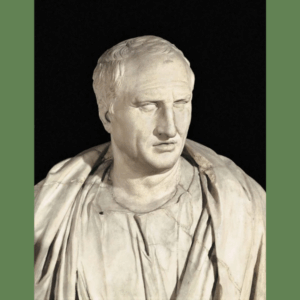
Homer was a Greek poet of the 9th or 8th century BCE.
The Illiad has the famous line about the beauty of Helen “a face that launched a thousand ships”.
It is 24 books of didactic hexameter.
The Trojan War supposedly took place around 1250 BCE to 1184 BCE
The poem itself was written somewhere between 800- 700 BCE.
The Iliad of Homer. Ireland: T. Becket and P.A. De Hondt, 1773.
The Iliad and Odyssey of Homer. United States: Joseph T. Buckingham, 1814.
Homer. The Iliad of Homer. United Kingdom: University of Chicago Press, 1951. This is the Richard Lattimore Translation.
This is the Ennis Rees translation. Homer. The Iliad of Homer. United Kingdom: Oxford University Press, 1991.
Loeb Classic Library books 1-12
Loeb Classic Library Wyatt, William F.. I
Iliad: Books 13-24. United Kingdom: Harvard University Press, 1999.
The Iliad. United Kingdom: Penguin Publishing Group, 1998 Robin Fox Lane translation
This is a 2015 Simon and Schuster version of Homer’s Illiad and Odyssey.
Importantly for my work is Thomas Hobbes’s translations
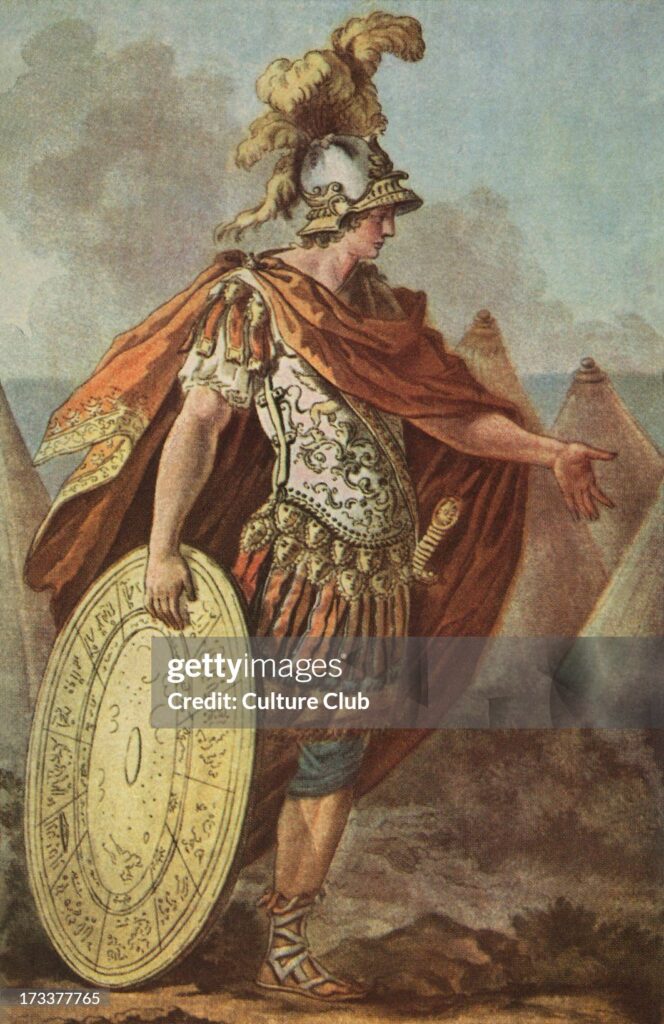
The character of Achilles comes up later as he was an embodiment or exemplar of a certain emotion — anger —
Achilles is also the example used by Aristotle when he talks about the difference between courage and foolhardiness. The Aristotelian mean of right action example given is of the warrior, if he is afraid, that misses the mark of courage or bravery, but one can also miss the mark in the other way, by over-action with little reflection and that is fool hardiness.
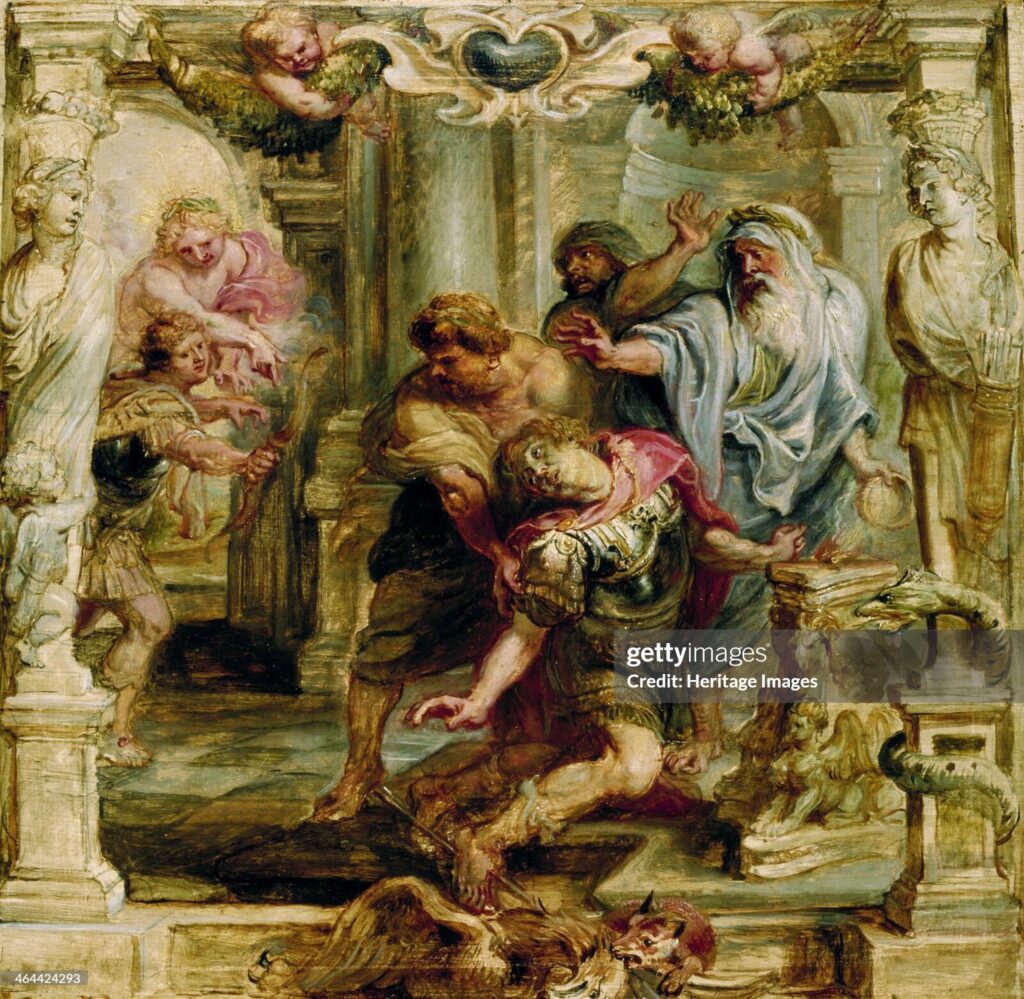
Achilles’s anger, death of Hector.
The Trojan War ending to the story is told in later books, especially Virgil’s Aeneid.
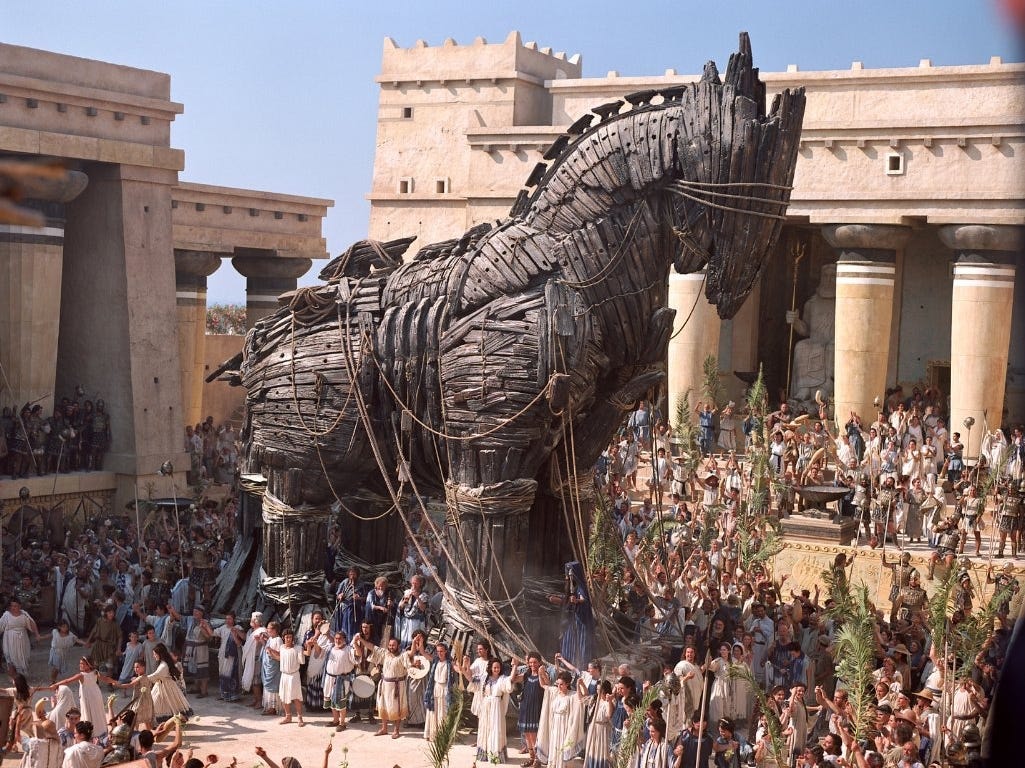
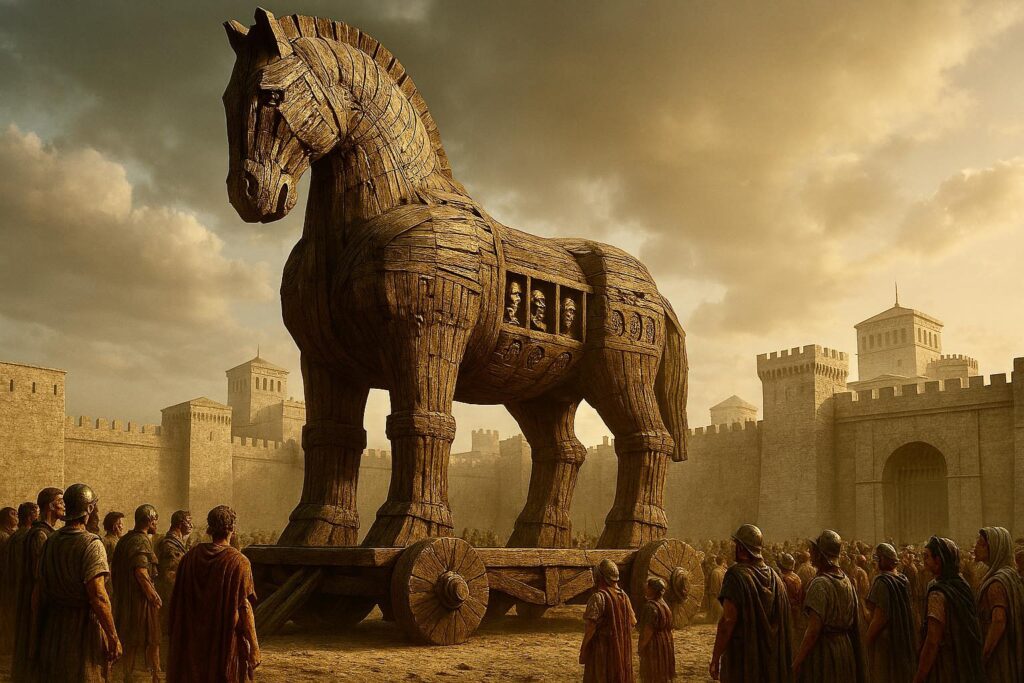
The feature photo I’m not sure where it comes from. I got it from this facebook group.
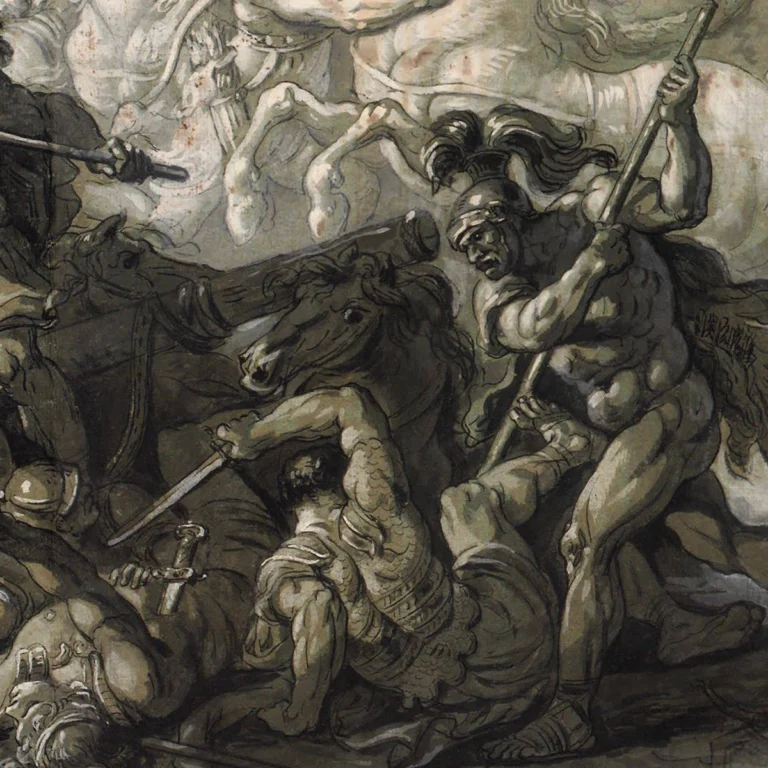
Along with the one below. I believe the first is a cinematic reproduction and the second as well. More information of the origin of these images needed.
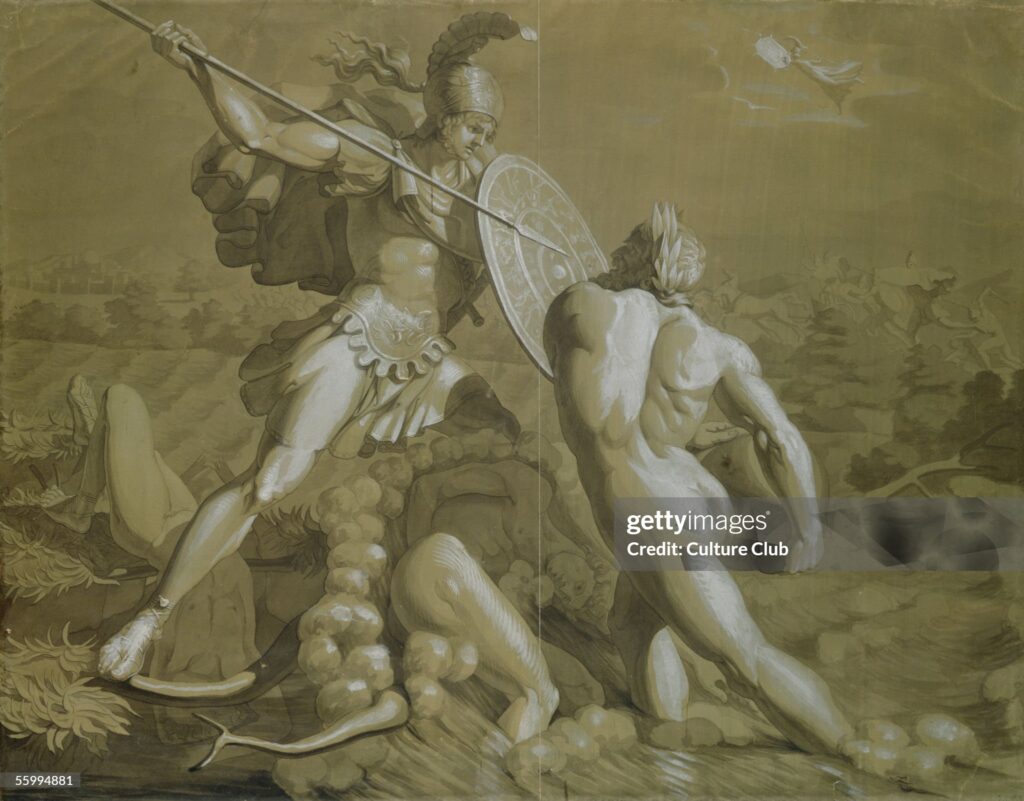
Jacques-Louis David’s eighteenth-century grand study Les Combats de Diomède (commonly known in English as The Combat of Diomedes), is a visceral, large-scale depiction of the Geek hero Diomedes’ martial exploits, and to an extent, of the setup of the entire Trojan War. Diomedes (or Diomede), was regarded as one of the greatest warriors in Greek mythology, second only to Achilles. The events of the Trojan War, immortalized in Homer’s epic poem Iliad, are generally dated by modern Hellenology at around 1200 BCE.
Jacques Louis David: Radical Draftsman. United Kingdom: Metropolitan Museum of Art, 2022.
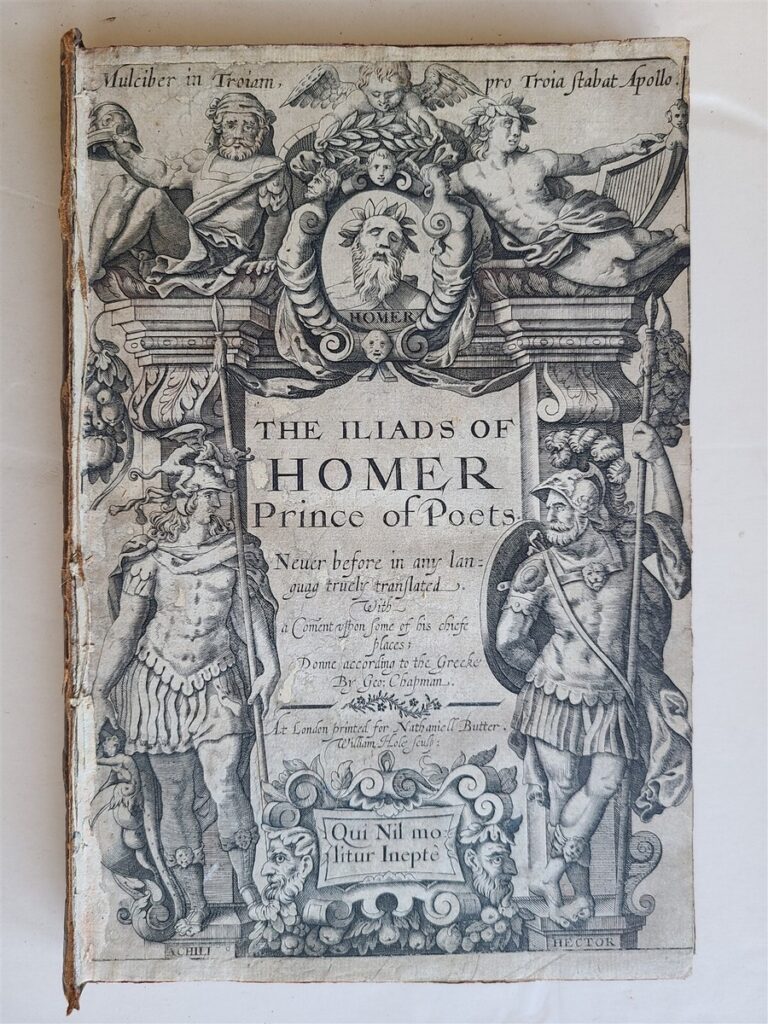
Frontispiece of Chapman's Homer, the second English translation of 1611.
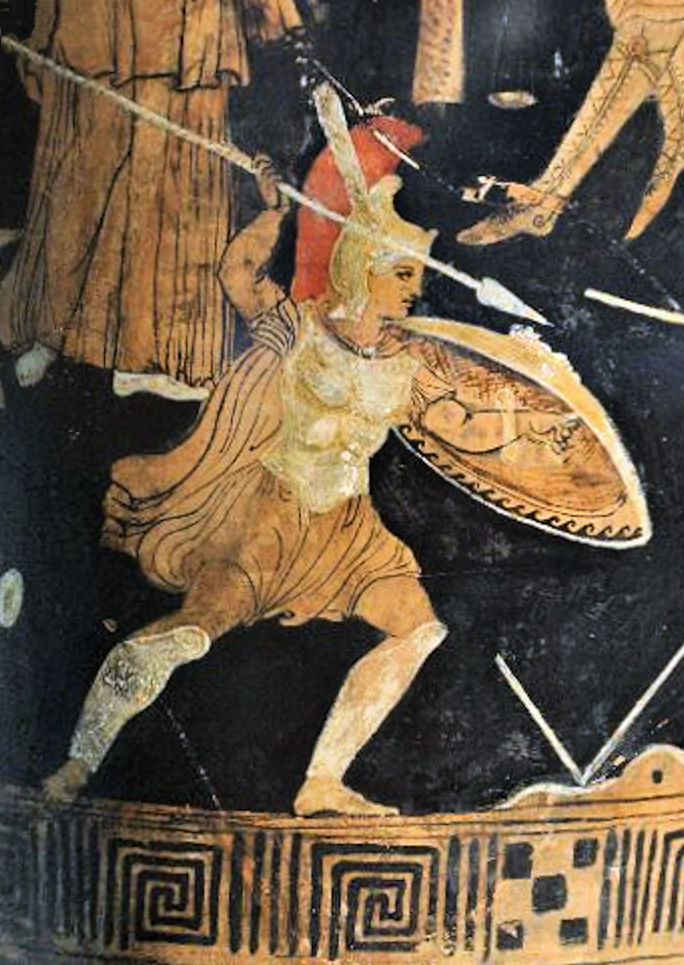
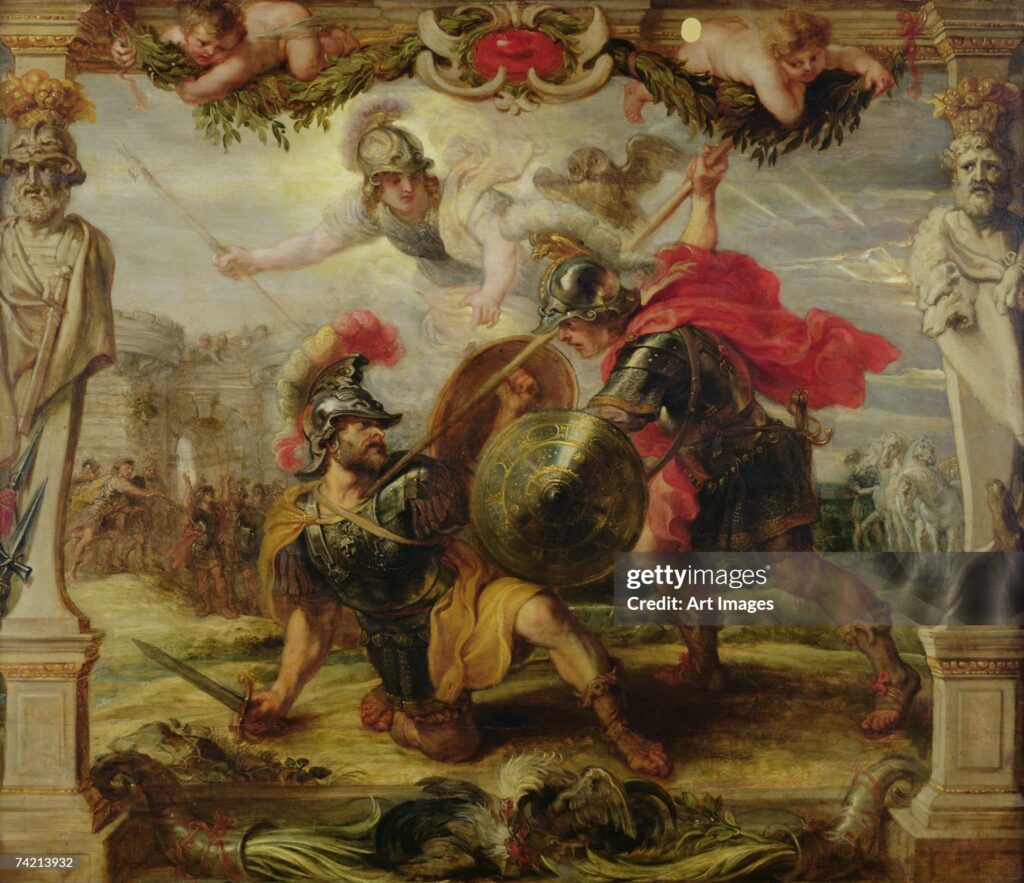
Achilles fighting against Memnon Leiden Rijksmuseum voor Oudheden
It’s at this museum, and you can find out more how the collections came to be here.
Pots for the Living, Pots for the Dead. Denmark: Museum Tusculanum Press, University of Copenhagen, 2002.
Article within this text is The Trojan Cycle on Tyrrhenian Amphorae by Margit von Mehren
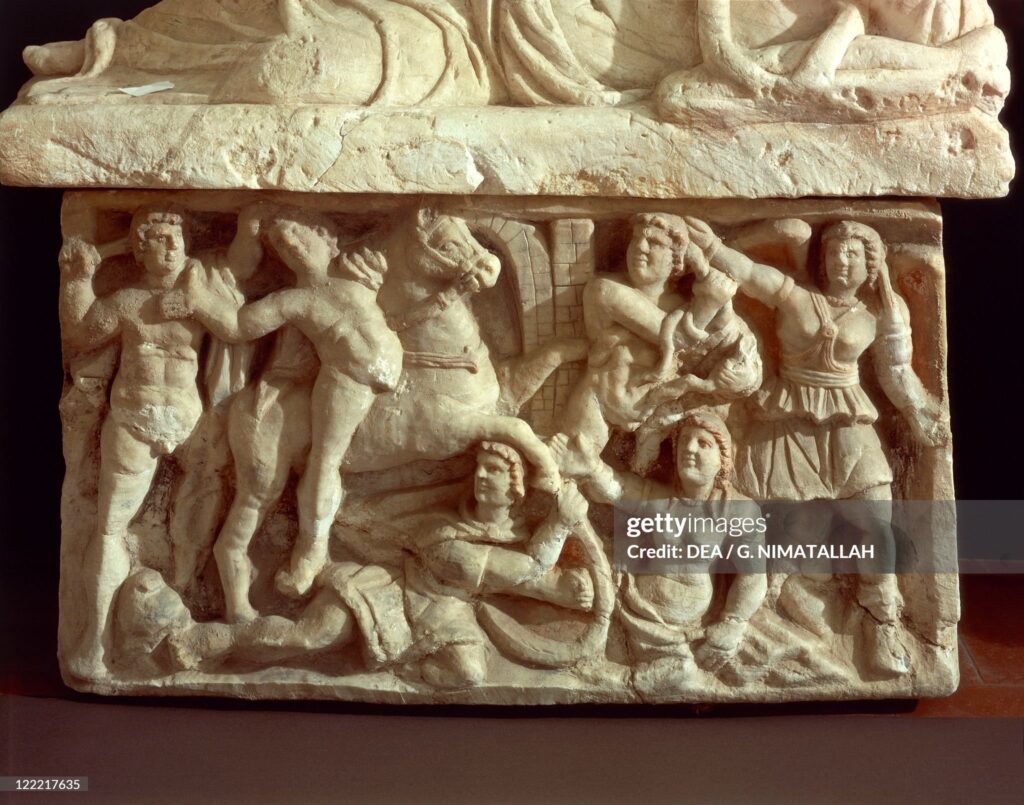
Detail of Etruscan funerary urn depicting Achilles killing Troilus by walls of Troy
Hamburger Kunsthalle, Hamburg, Germany
Musee Municipal, Soissons, France
Musee des Beaux-Arts, Pau, France
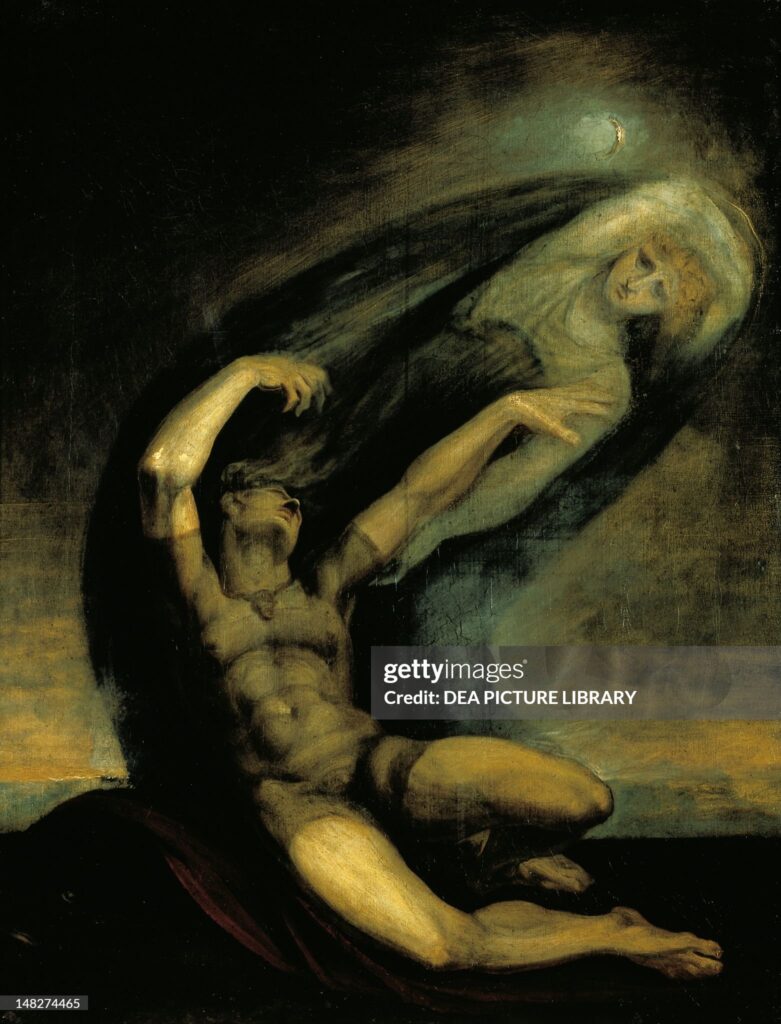
Achilles trying to grasp at the shade of Patroclus, 1803, by Johann Heinrich Fussli (1741-1825), 91×71 cm. (Photo by DeAgostini/Getty Images)
Achilles after the death of Patrocles
Musee des Beaux-Arts, Pau, France
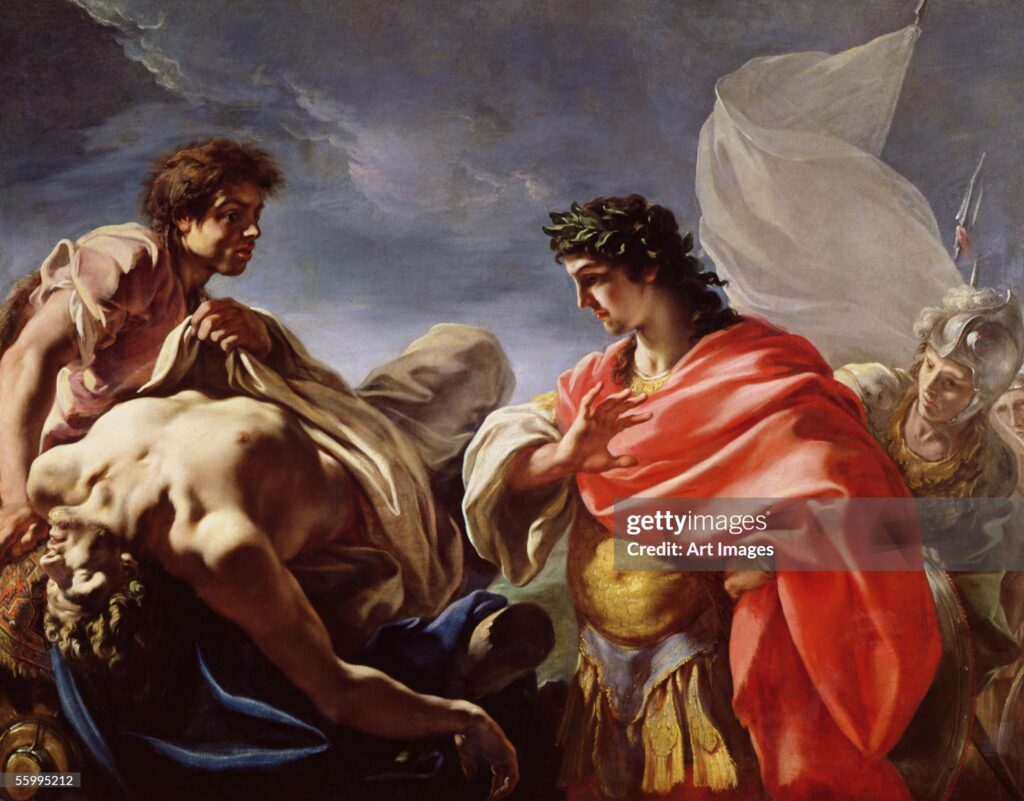
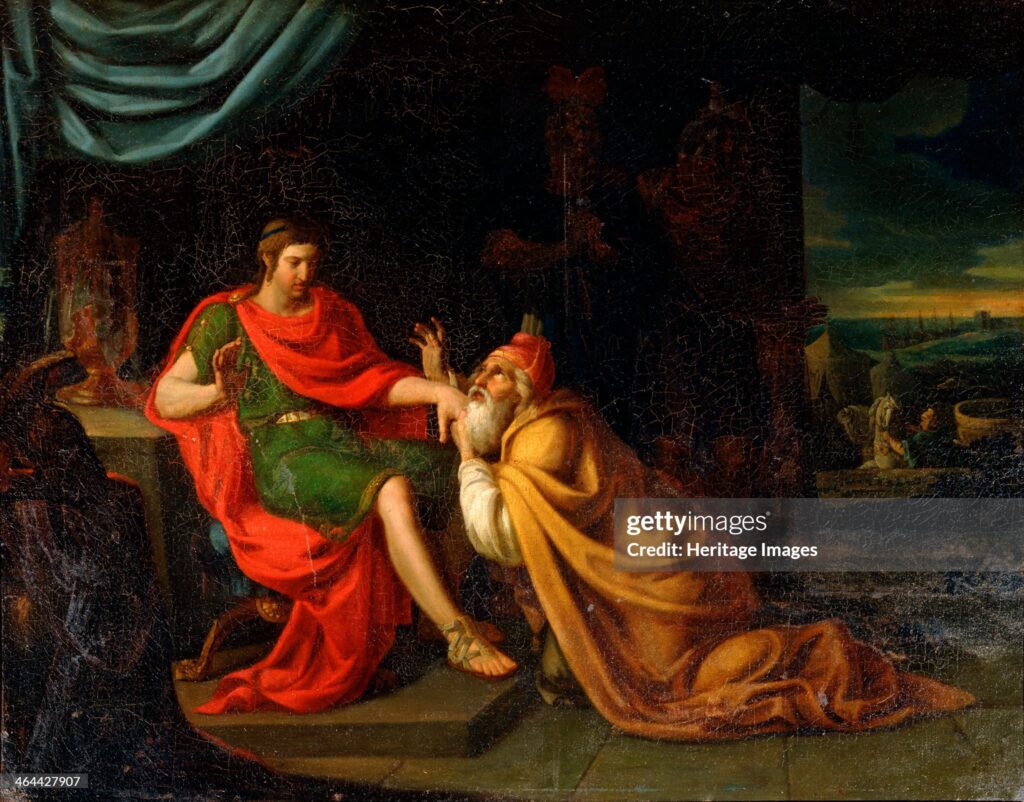
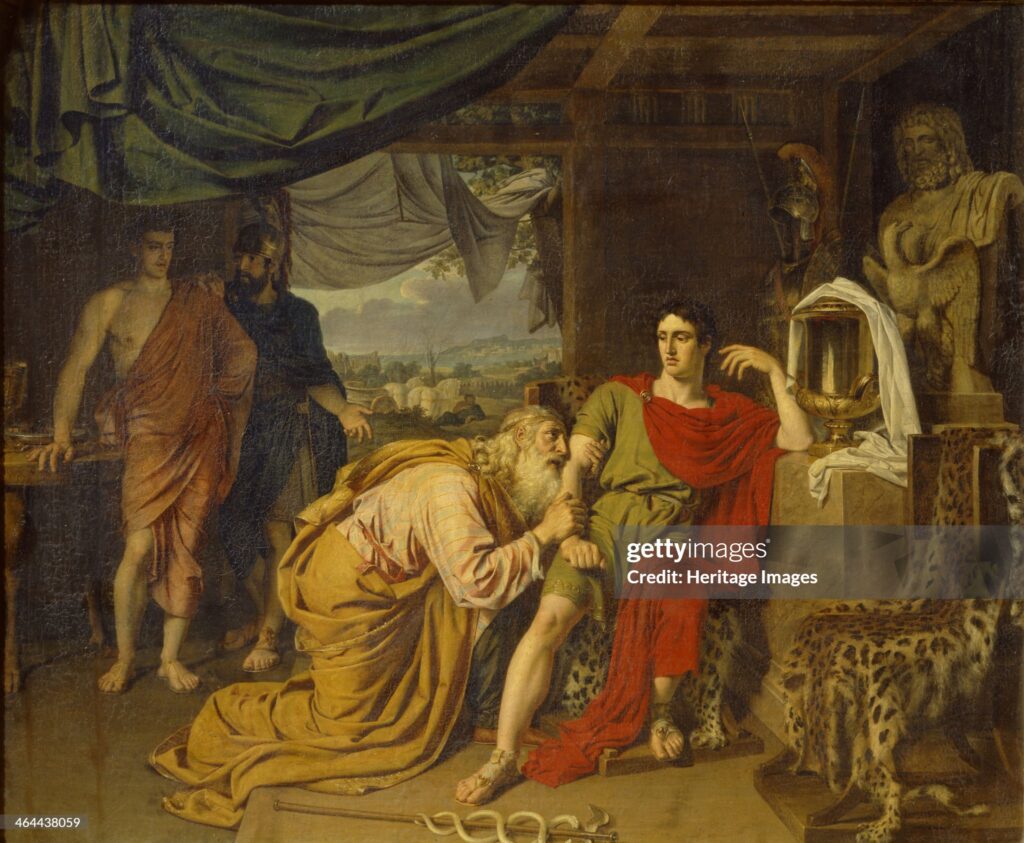
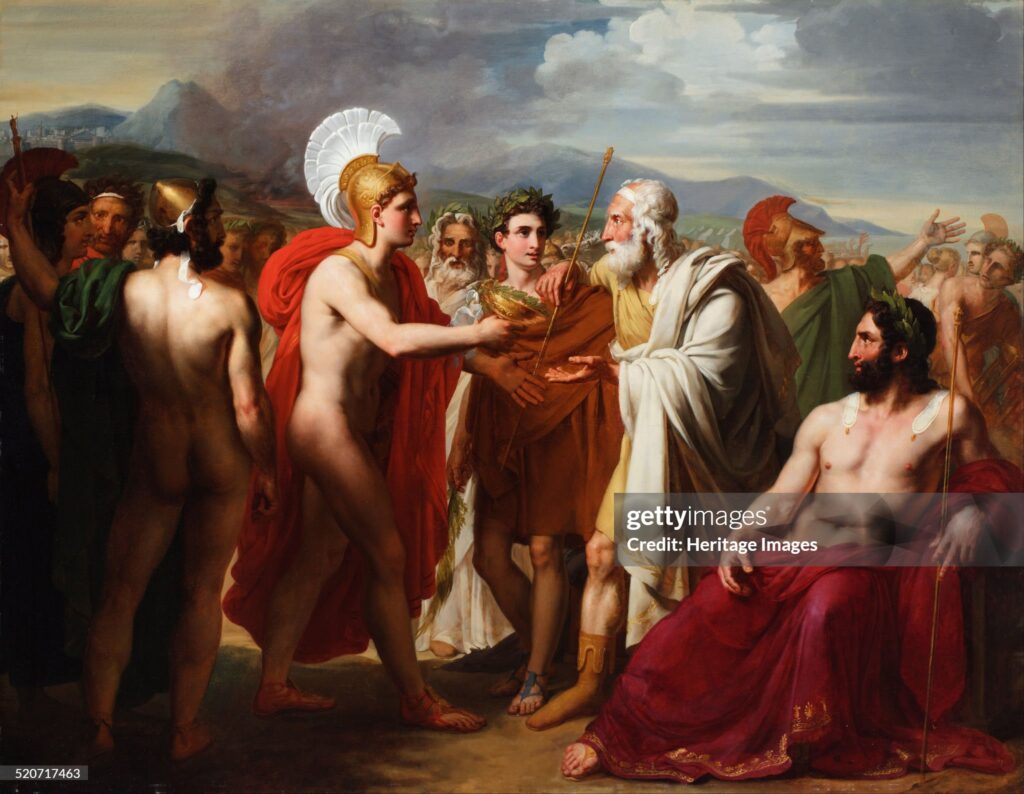
‘Priam and Achilles’, 17th century. Artist: Padovanino
Priam tearfully supplicates Achilles, begging for Hector’s body, 1824. Artist: Ivanov, Alexander Andreyevich (1806-1858)
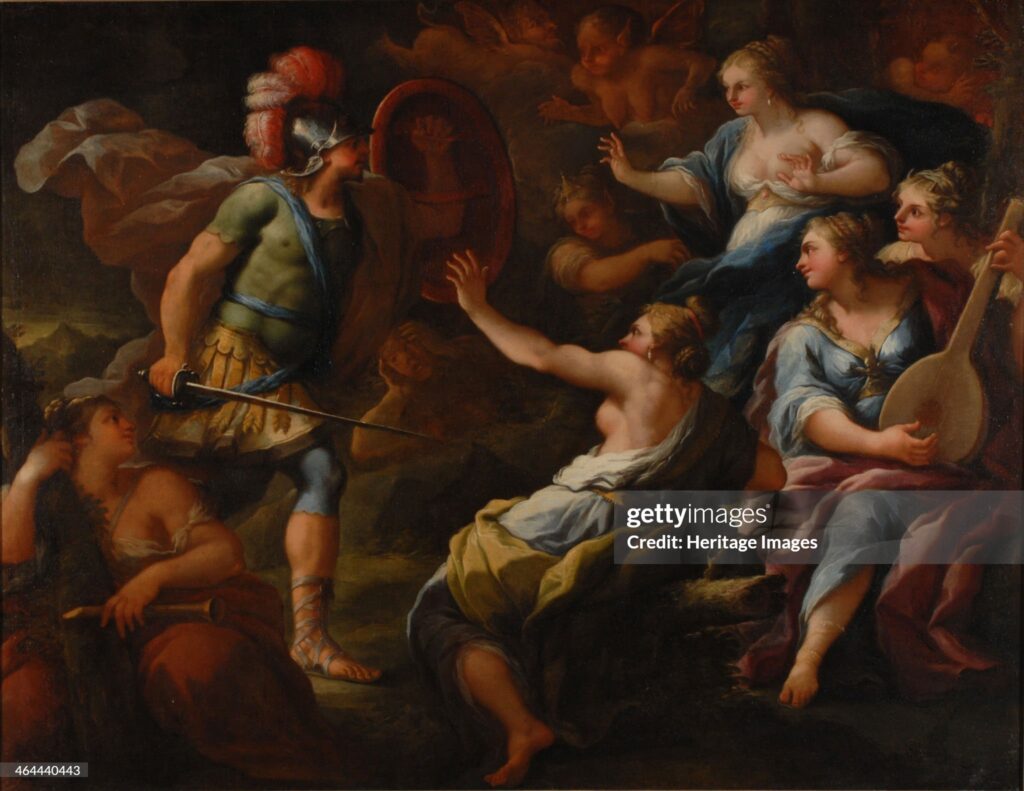
Achilles Discovered by Ulysses Among the Daughters of Lycomedes at Skyros. Artist: De Matteis, Paolo (1662-1728)
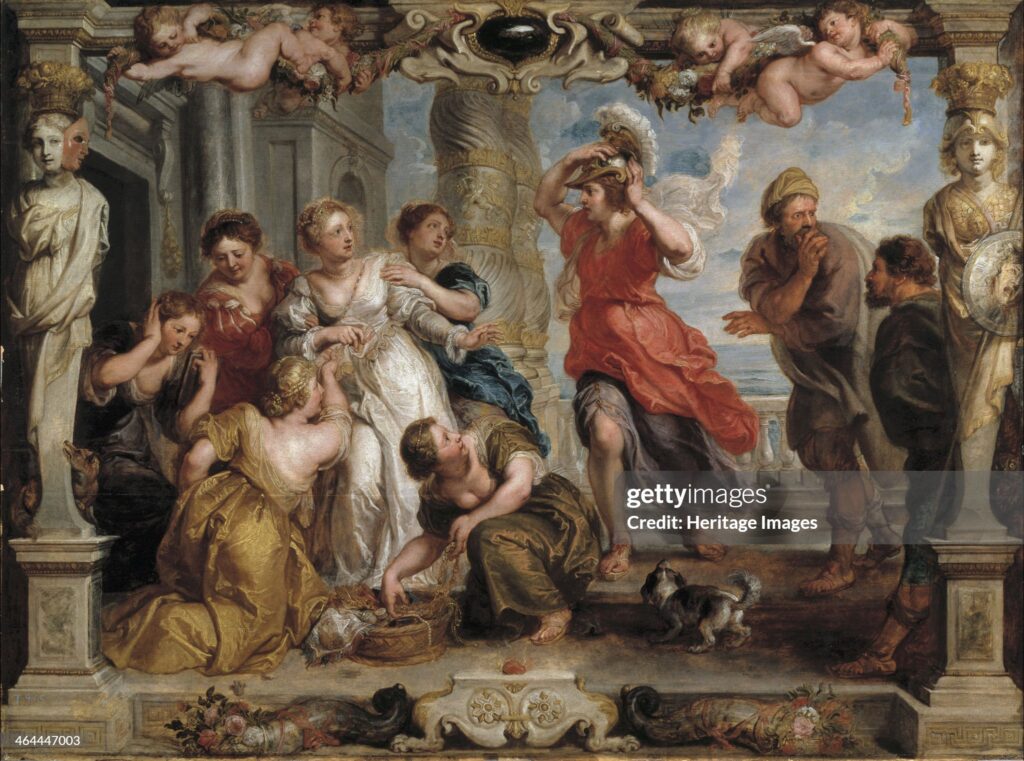
Achilles Discovered by Ulysses Among the Daughters of Lycomedes at Skyros, 1630-1635. Artist: Rubens, Pieter Paul (1577-1640)
The Wrath of Achilles. Artist: Drolling, Michel Martin (1789-1851)
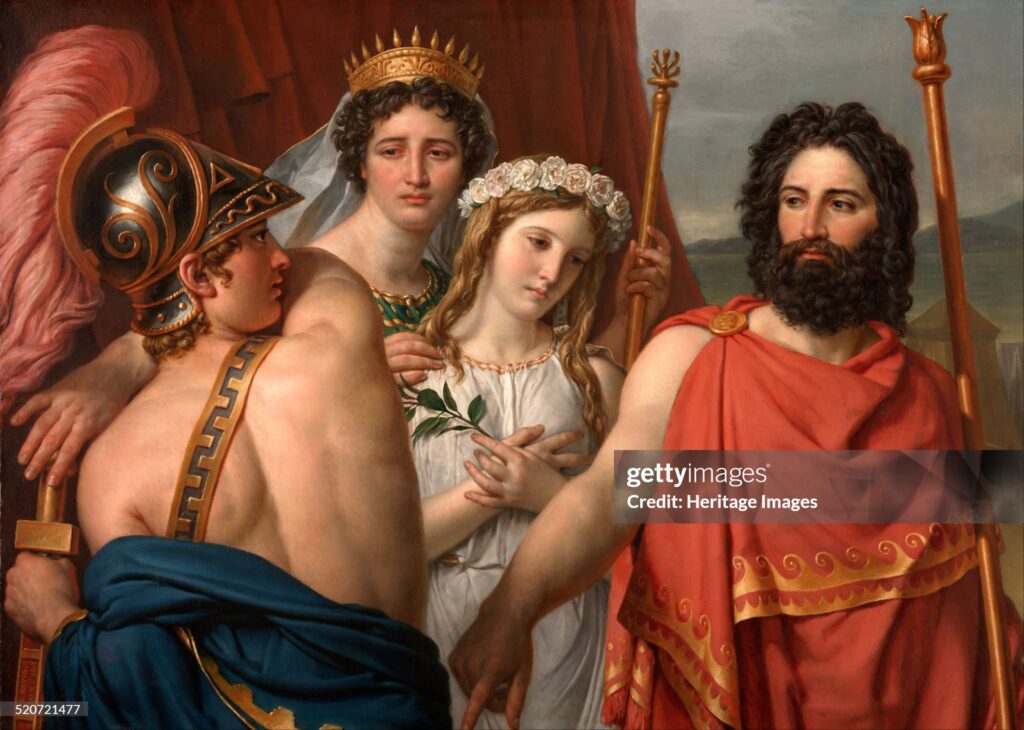
The Anger of Achilles. Artist: David, Jacques Louis (1748-1825)
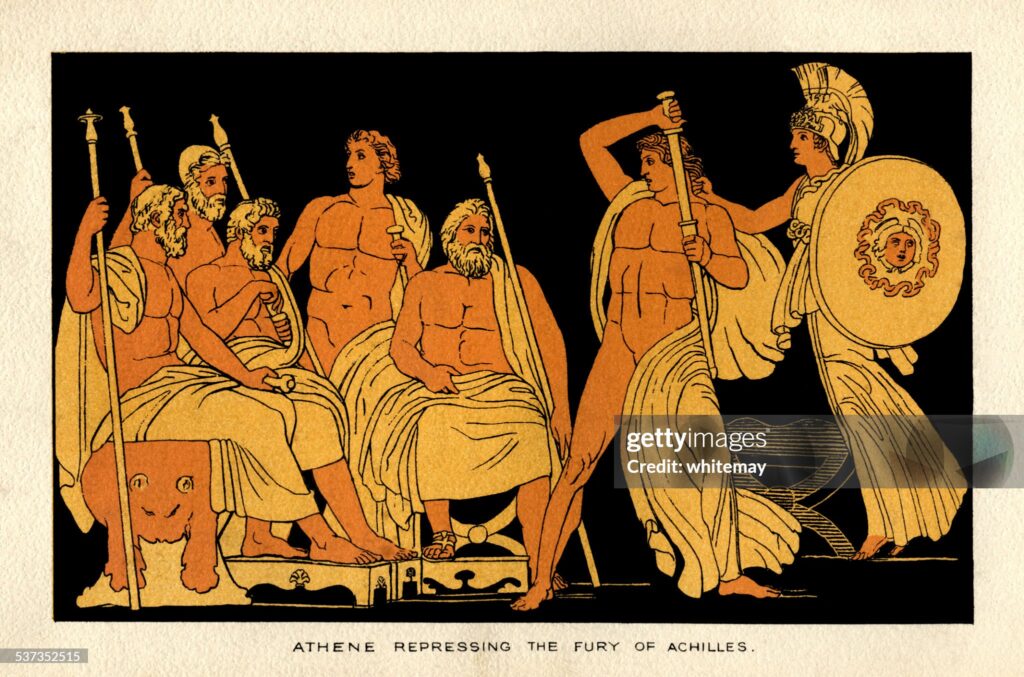
Athene repressing the fury of Achilles – stock illustration
Lorem ipsum dolor sit amet, consectetur adipiscing elit. Ut elit tellus, luctus nec ullamcorper mattis, pulvinar dapibus leo.