Read more about the article Cicero On the Ends of Good and Evil
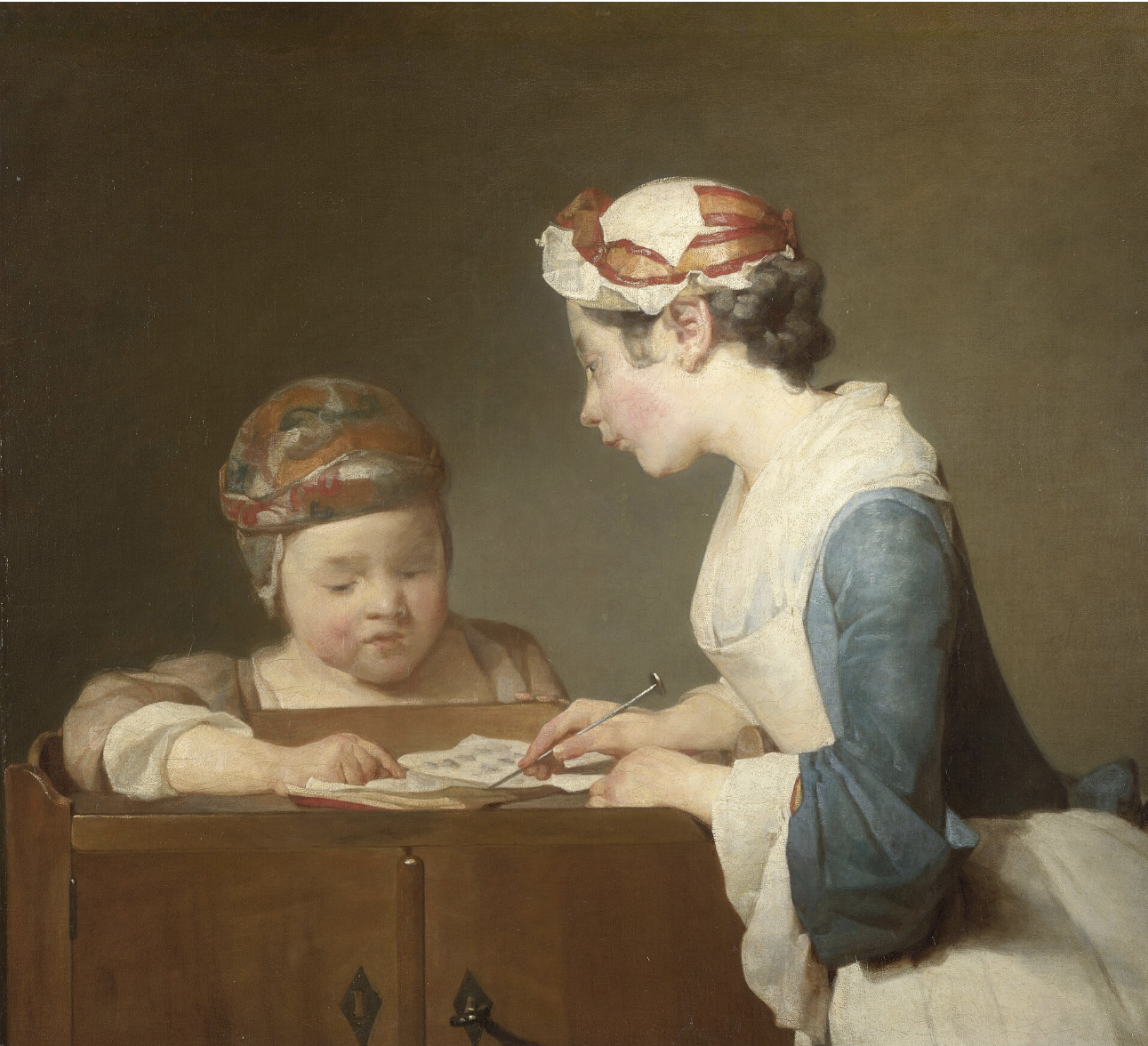
The dance to the music of time c. 1640

Cicero On the Ends of Good and Evil

"For if the whole of a man's life is to be measured by the standard of pleasure, you see how much trouble is in store for us. We must consider not what is pleasant, but what is consistent with the dignity of human nature; for there is a certain dignity in man, which the beasts do not share. If we lose sight of this, we shall be unable to maintain any standard of conduct." (Cicero, De Finibus 2.44).

Continue ReadingCicero On the Ends of Good and Evil
Read more about the article Cicero Tusculan Disputations
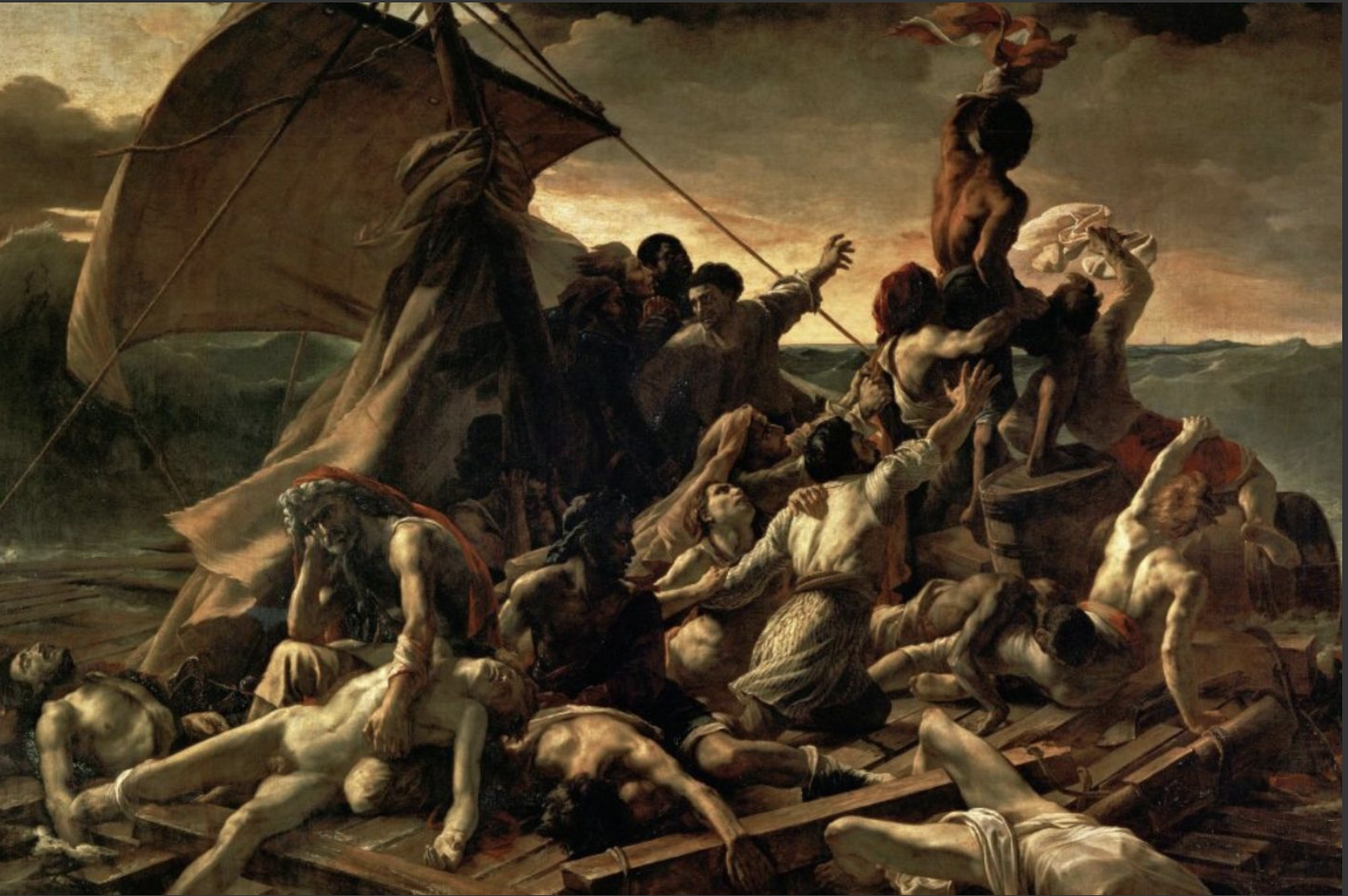
Jean Germain Drouais's Marius at Minturnae

Cicero Tusculan Disputations

"But what is this 'bearing'? It is the same as the endurance of labor... we must then apply to the soul that which is called fortitude, which consists of two parts, the contempt of pain and the contempt of death. To these we must bring a certain alertness of mind, so that we may not only not fear, but even despise them." (Cicero, Tusculan Disputations 2.53).

Continue ReadingCicero Tusculan Disputations
Read more about the article Cicero On Duties
Jacques Louis David's The Lictors Bring to Brutus the Bodies of His Sons

Cicero On Duties

"But when with a rational spirit you have surveyed the whole field, there is no social relation among them all more close and none more dear than that which links each one of us with our country. Parents are dear; children, relatives, friends are dear; but our country has on its own embraced all the affections of all of us together; for which what good man would hesitate to face death, if he could do her a service?" (Cicero, De Officiis 1.57).

Continue ReadingCicero On Duties
Read more about the article Aristotle Logic the Organon
Della Robbia, Luca. Dialectic. ca. 1470–1490. Glazed terracotta. Victoria and Albert Museum, London.

Aristotle Logic the Organon

We suppose ourselves to possess unqualified scientific knowledge of a thing, as opposed to knowing it in the accidental way of the sophist, when we think that we know the cause on which the fact depends, as teh cause of that fact and of no other, and, further, that the fact could not be other than is is.

Continue ReadingAristotle Logic the Organon
Read more about the article Aristotle, Etique a Eudeme
Hayez, Francesco. Aristotele. 1811. Oil on canvas. Gallerie dell’Accademia, Venice.

Aristotle, Etique a Eudeme

Telle est donc la règle la meilleure, et tel est le critère le plus beau pour les biens extérieurs : qu’on soit empêché le moins possible par eux de servir et de contempler Dieu. This, therefore, is the end and the best limit regarding external things, so that the soul may be hindered as little as possible from the contemplation of God and His worship. Hic igitur finis sit et optimus terminus ad res externas respicienti, ut quam minime impediatur anima a contemplatione dei et cultu eius

Continue ReadingAristotle, Etique a Eudeme
Read more about the article Plato, Timaeus
Lambda Diagram of the World Soul from Plato's Timaeus. ca. 1175–1200. Ink and tempera on vellum. Walters Art Museum, Baltimore.

Plato, Timaeus

We may now say that our discourse about the nature of the universe has an end. The world has received animals, mortal and immortal, and is fulfilled with them, and has become a visible animal containing the visible--the sensible God who is the image of the intellectual, the greatest, best, fairest, most perfect--the one only begotten heaven.

Continue ReadingPlato, Timaeus