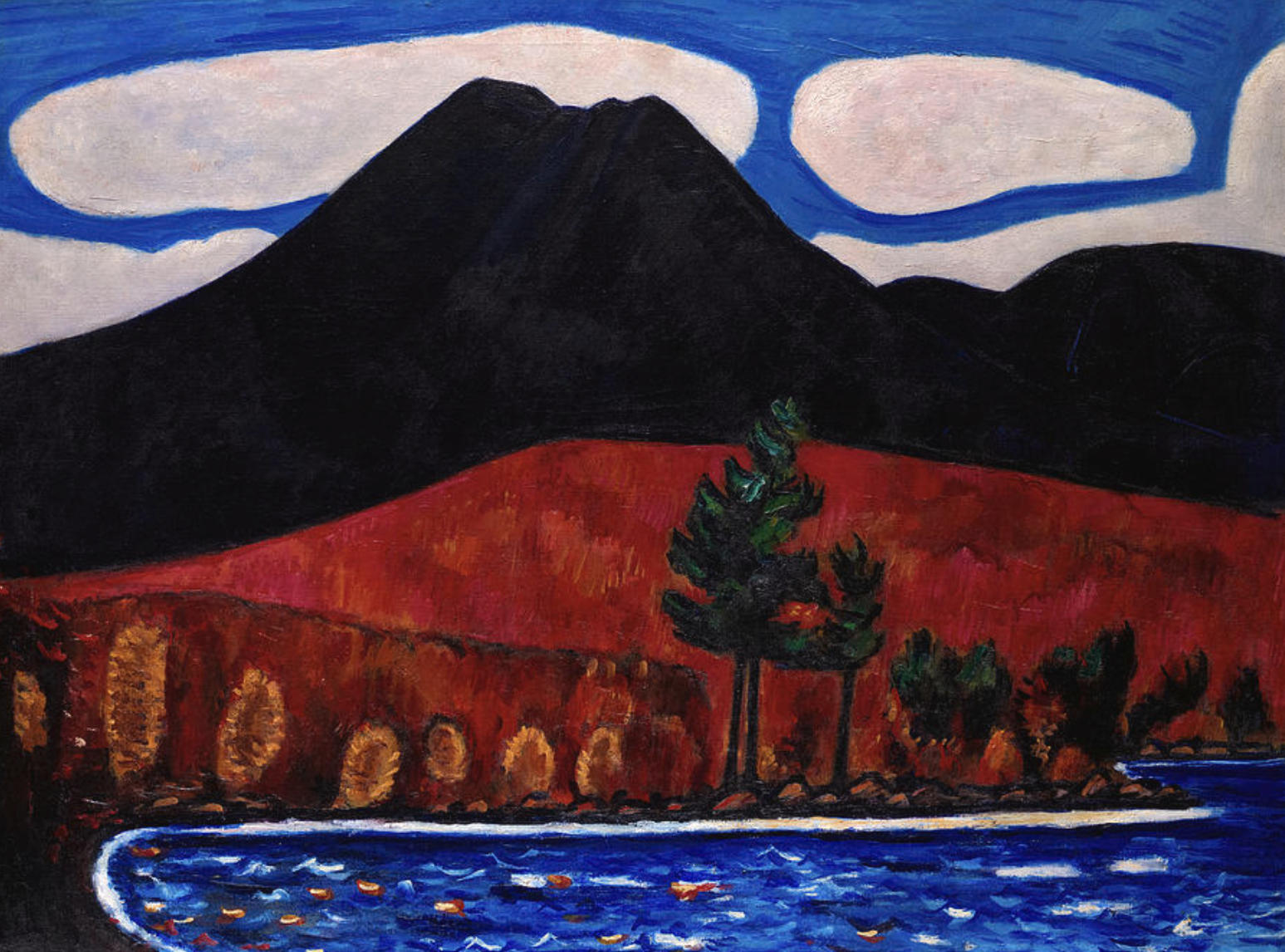
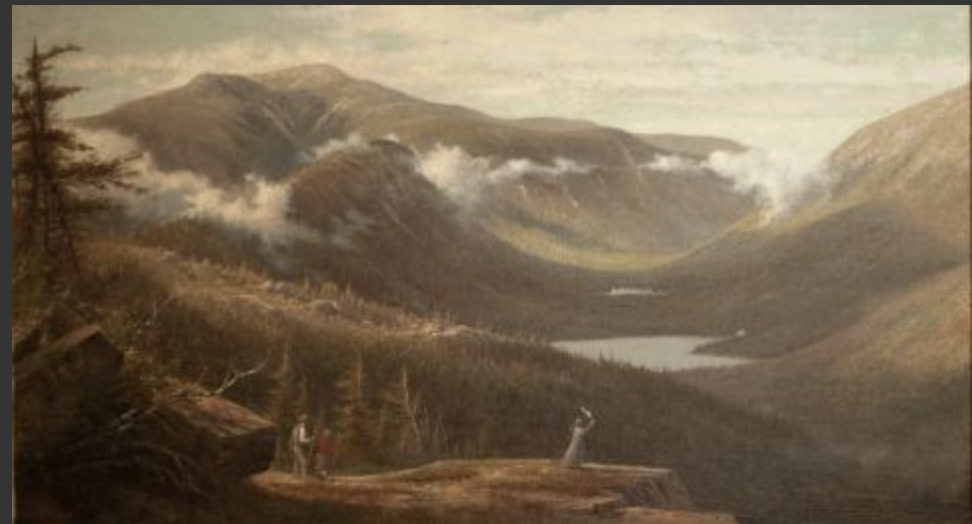
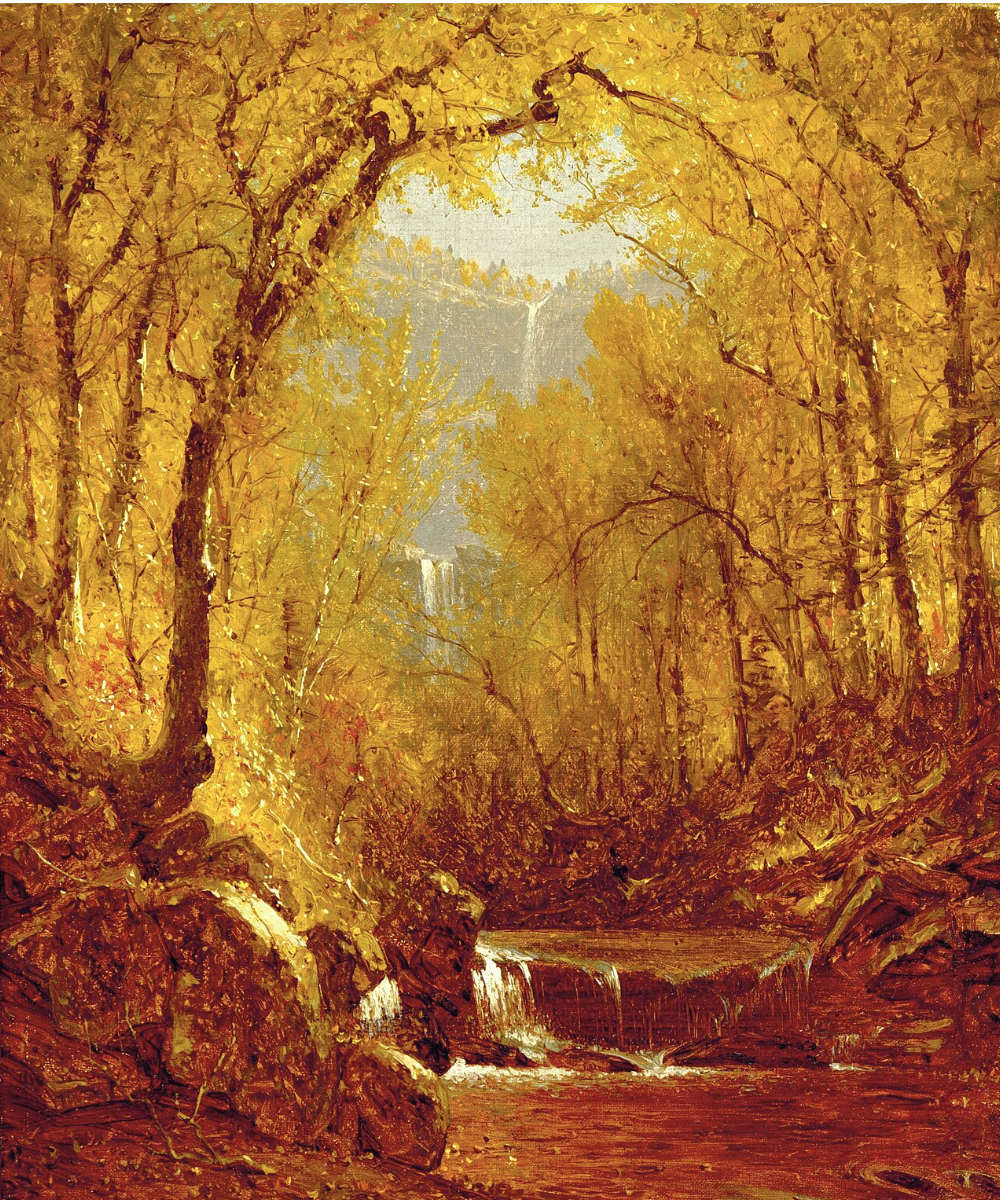
Marsden Hartley, Mount Katahdin, Autumn No. 1, 1942, Oil on composition board, Crystal Bridges Museum of American Art, Bentonville.
Thoreau, Henry David The Maine Woods

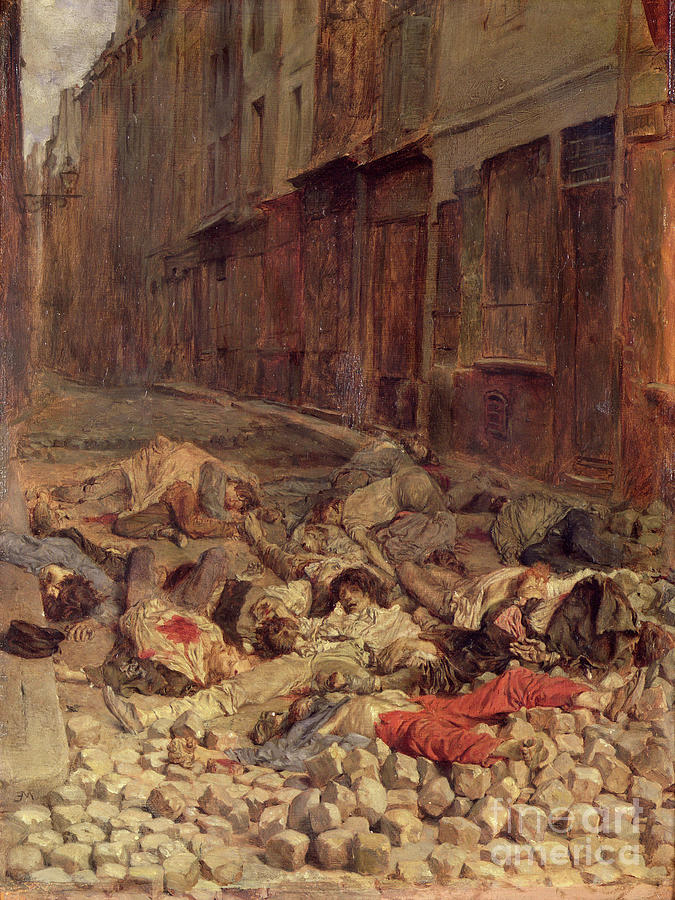
A century earlier, in the same way but at a different stage of development, Cromwell and the English people had borrowed for their bourgeois revolution the language, passions and illusions of the Old Testament. When the actual goal had been reached, when the bourgeois transformation of English society had been accomplished, Locke drove out Habakkuk. In these revolutions, then, the resurrection of the dead served to exalt the new struggles, rather than to parody the old, to exaggerate the given task in the imagination, rather than to flee from solving it in reality, and to recover the spirit of the revolution, rather than to set its ghost walking again.
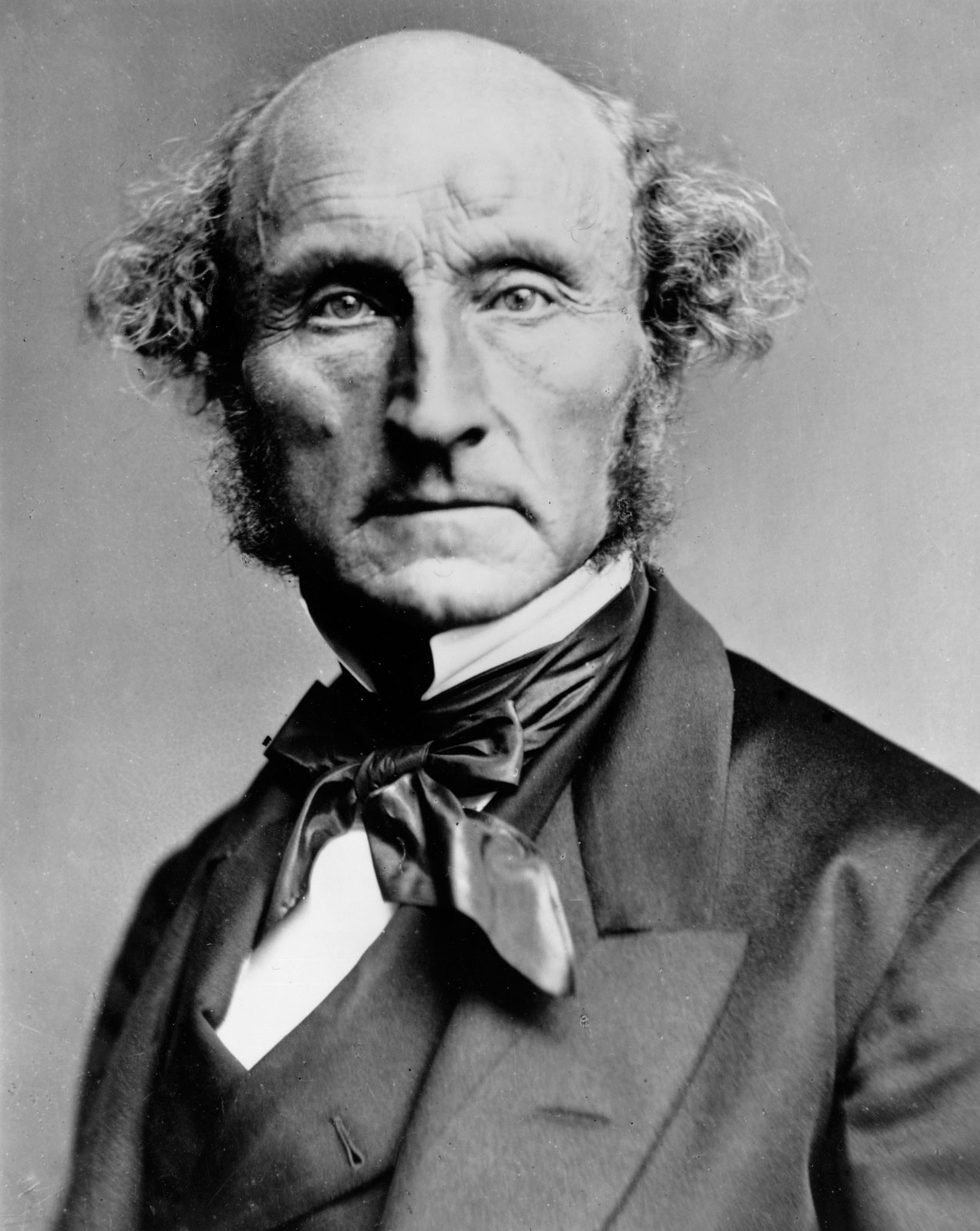
The subject of this Essay is ... Civil, or Social Liberty: the nature and limits of the power which can be legitimately exercised by society over the individual. A question seldom stated, and hardly ever discussed, in general terms, but which profoundly influences the practical controversies of the age by its latent presence, and is likely soon to make itself recognised as the vital question of the future. It is so far from being new, that in a certain sense, it has divided mankind, almost from the remotest ages; but in the stage of progress into which the more civilised portions of the species have now[Pg 2] entered, it presents itself under new conditions, and requires a different and more fundamental treatment. The struggle between Liberty and Authority is the most conspicuous feature in the portions of history with which we are earliest familiar, particularly in that of Greece, Rome, and England.
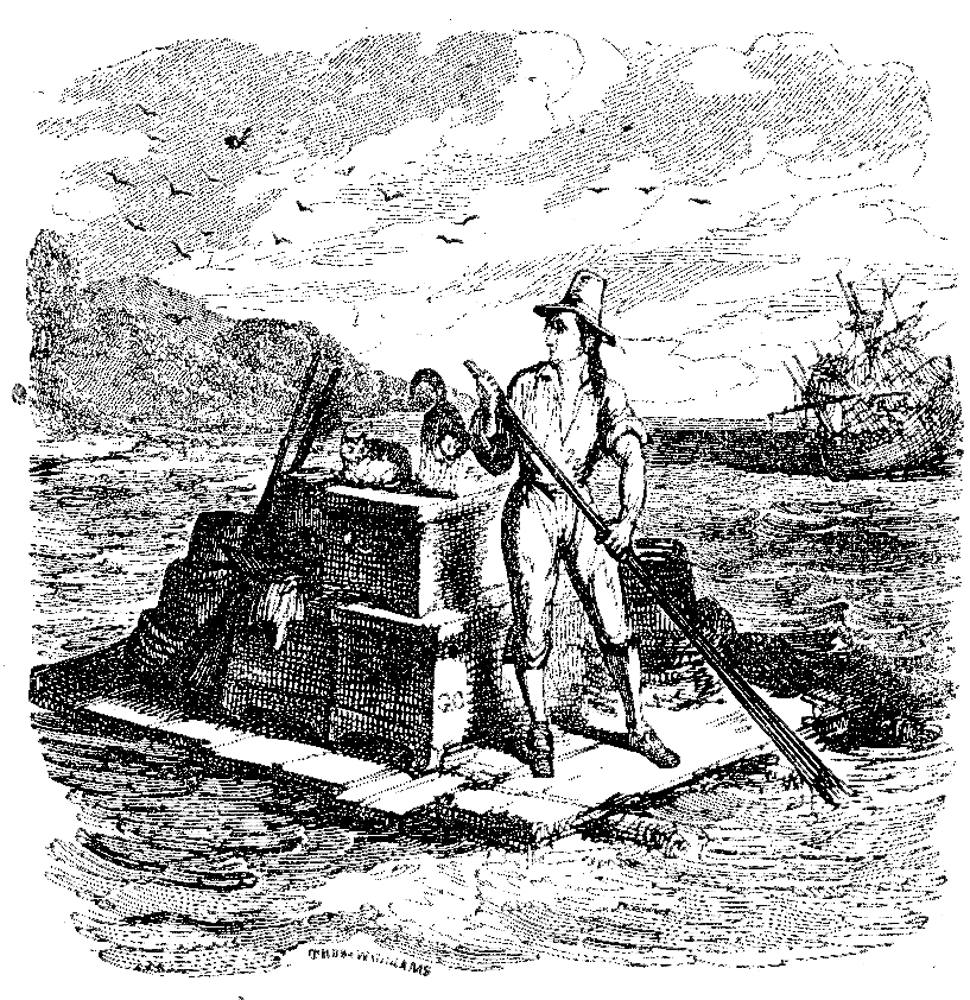
"The individual and isolated hunter and fisherman, with whom Smith and Ricardo begin, belongs among the unimaginative conceits of the eighteenth-century Robinsonades, which in no way express merely a reaction against over-sophistication and a return to a misunderstood natural life, as cultural historians imagine. It is no more based on such a naturalism than is Rousseau’s contrat social, which brings naturally independent, autonomous subjects into relation and connection by means of a contract. This is the semblance and only the aesthetic semblance of the Robinsonades, great and small."
The history of all hitherto existing society is the history of class struggles