Read more about the article Montesquieu, The Spirit of the Laws
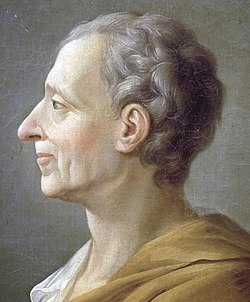
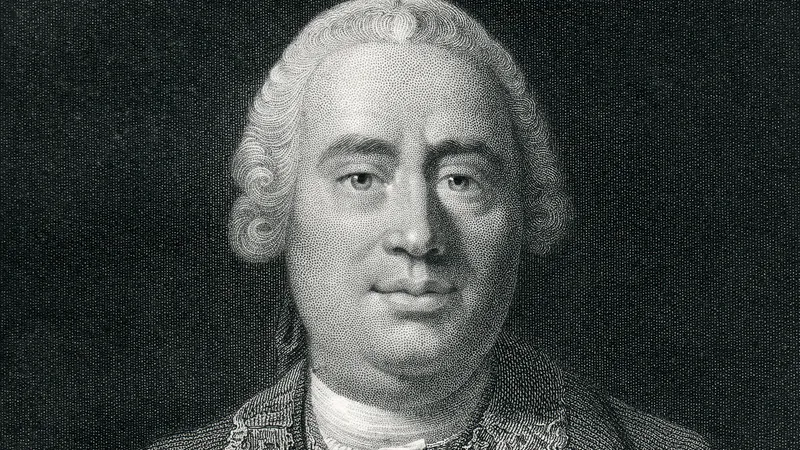
250px Charles Montesquieu

Montesquieu, The Spirit of the Laws

1. For the better understanding of the first four books of this work, it is to be observed that what I distinguish by the name of virtue, in a republic, is the love of one's country, that is, the love of equality. it is not a moral, nor a Christian, but a political virtue; and it is the spring which sets the republican government in motion, as honour is the spring which gives motion to monarchy. Hence it is that I have distinguished the love of one's country, and of equality, by the appellation of political virtue.
Continue ReadingMontesquieu, The Spirit of the Laws
Read more about the article Pierre Bayle, Political Writings
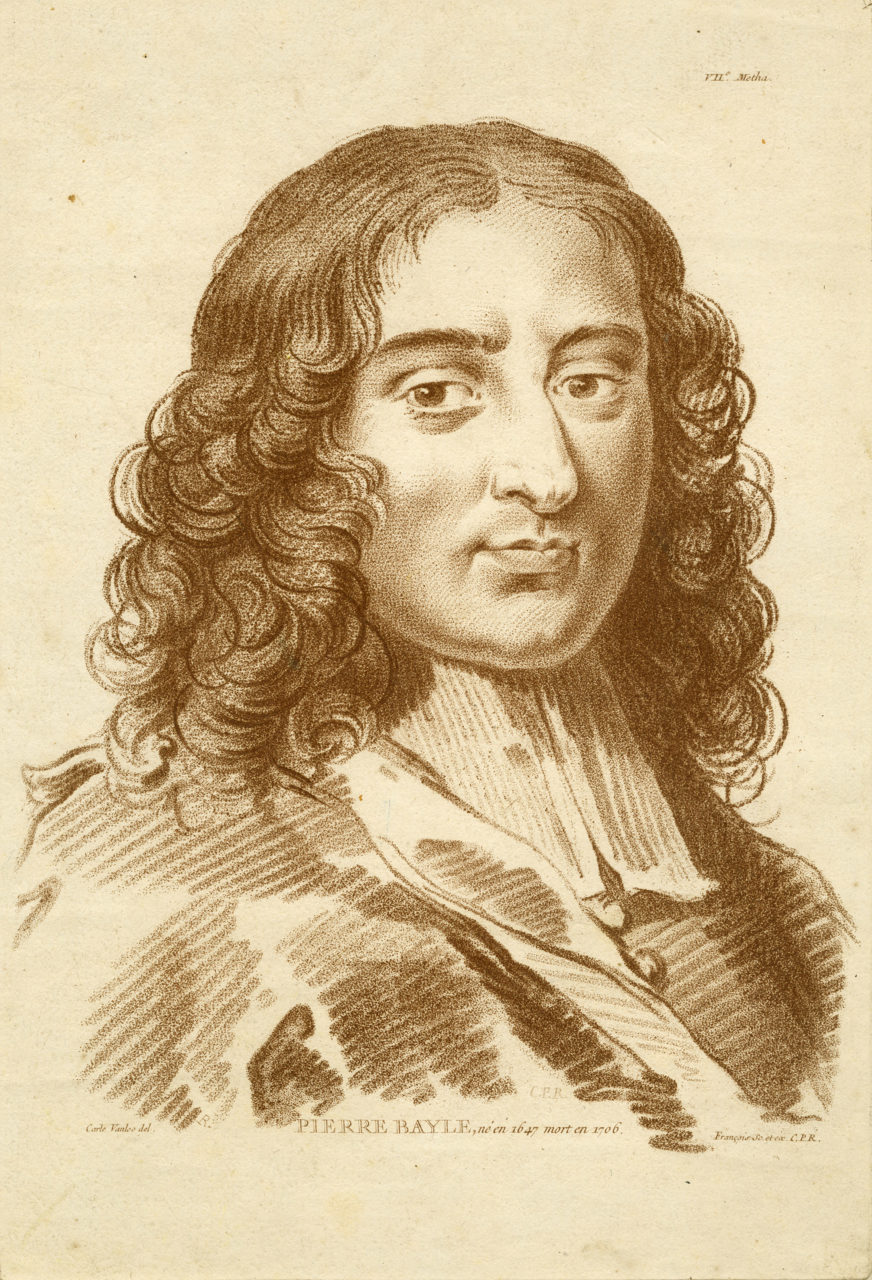
bayle stadsarchief 872x1280

Pierre Bayle, Political Writings

He spoke out very forthrightly against those who maintained that the authority of monarchs was unlimited. He maintained that monarchs cannot impose taxes without the consent of the people, and that they are more obliged than their subject to observe the laws of God and those of nature; and that the covenants which they make impose the same obligations on themselves as on their subjects. p.23-24

Continue ReadingPierre Bayle, Political Writings
Read more about the article Hobbes Beheamoth
Wenceslaus Hollar, The Long Parliament, 1641. Engraving, 14.2 × 18.3 cm. British Museum, London.

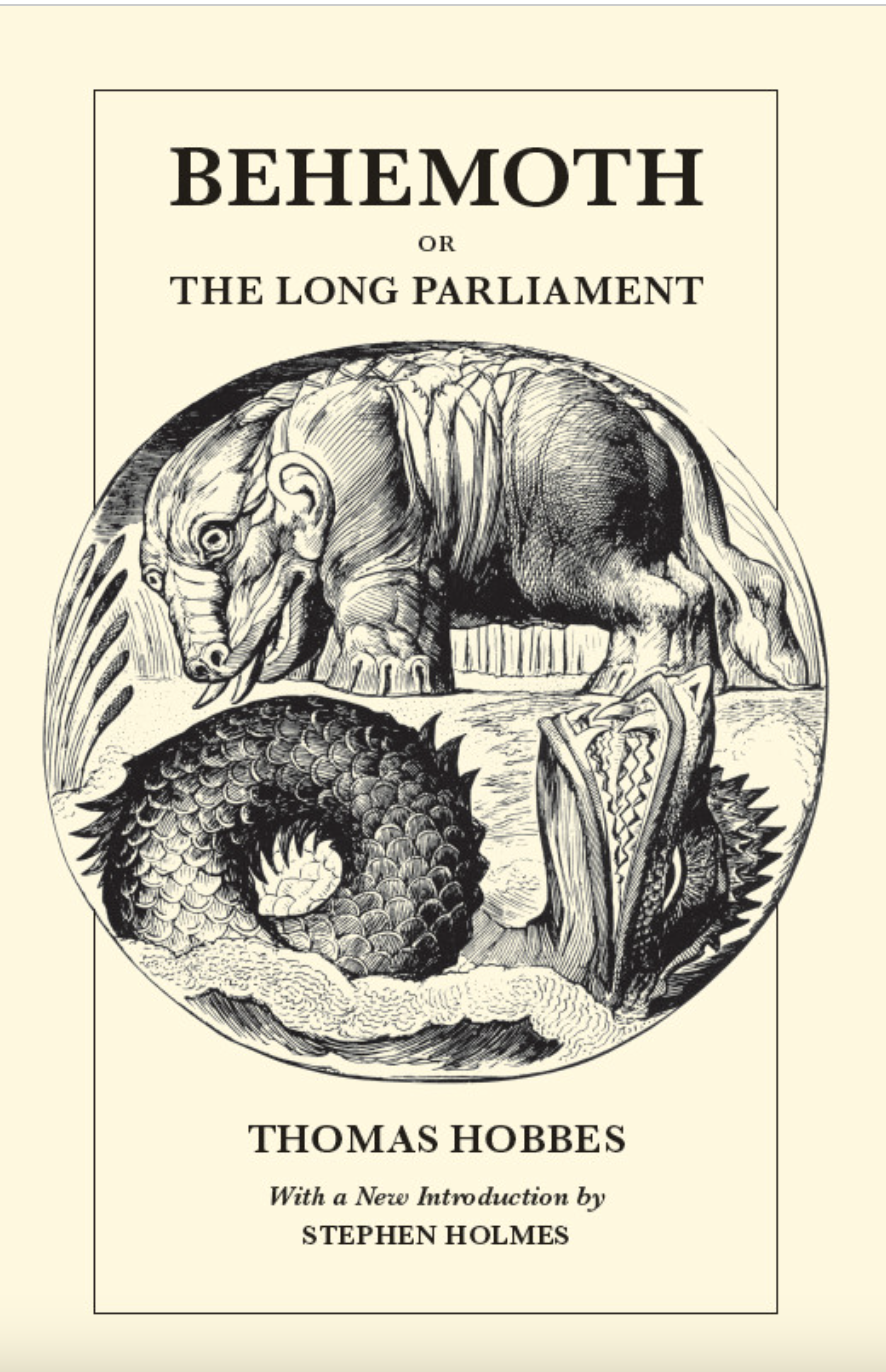
Hobbes Beheamoth

Thirdly, there were not a few, who in the beginning of the troubles were not discoered, but shortly after declared themselves for a liverty in religion, and those of different opinions one from another. Some of them, because they would have all congregations free and independent upon one another, were called Independents. Others that held that basptism to infants, and such as understood not into what theya re baptized, to be ineffectual, were called therefore Anabaptists. Others that held that Christ's kingdom was at this time to begin upon the earth, were called Fifth-monarchy-men; besides divers other sects, as Quakers, Adamites, &c., whose names and peculiar doctrines I do not well remember. And these were the enemies which arose against his Maject from the private interpretation of the Scripture, exposed to every man's scanning in his mother-tongue.

Continue ReadingHobbes Beheamoth
Read more about the article Spinoza Ethics
SpinozaEthicsAnticStore Large Ref 94740

Spinoza Ethics

Proof.—A free man is one who lives under the guidance of reason, who is not led by fear (IV. lxiii.), but who directly desires that which is good (IV. lxiii. Coroll.), in other words (IV. xxiv.), who strives to act, to live, and to preserve his being on the basis of seeking his own true advantage; wherefore such an one thinks of nothing less than of death, but his wisdom is a meditation of life. Q.E.D.

Continue ReadingSpinoza Ethics
Read more about the article Hobbes trans. Homer’s Illiads in English
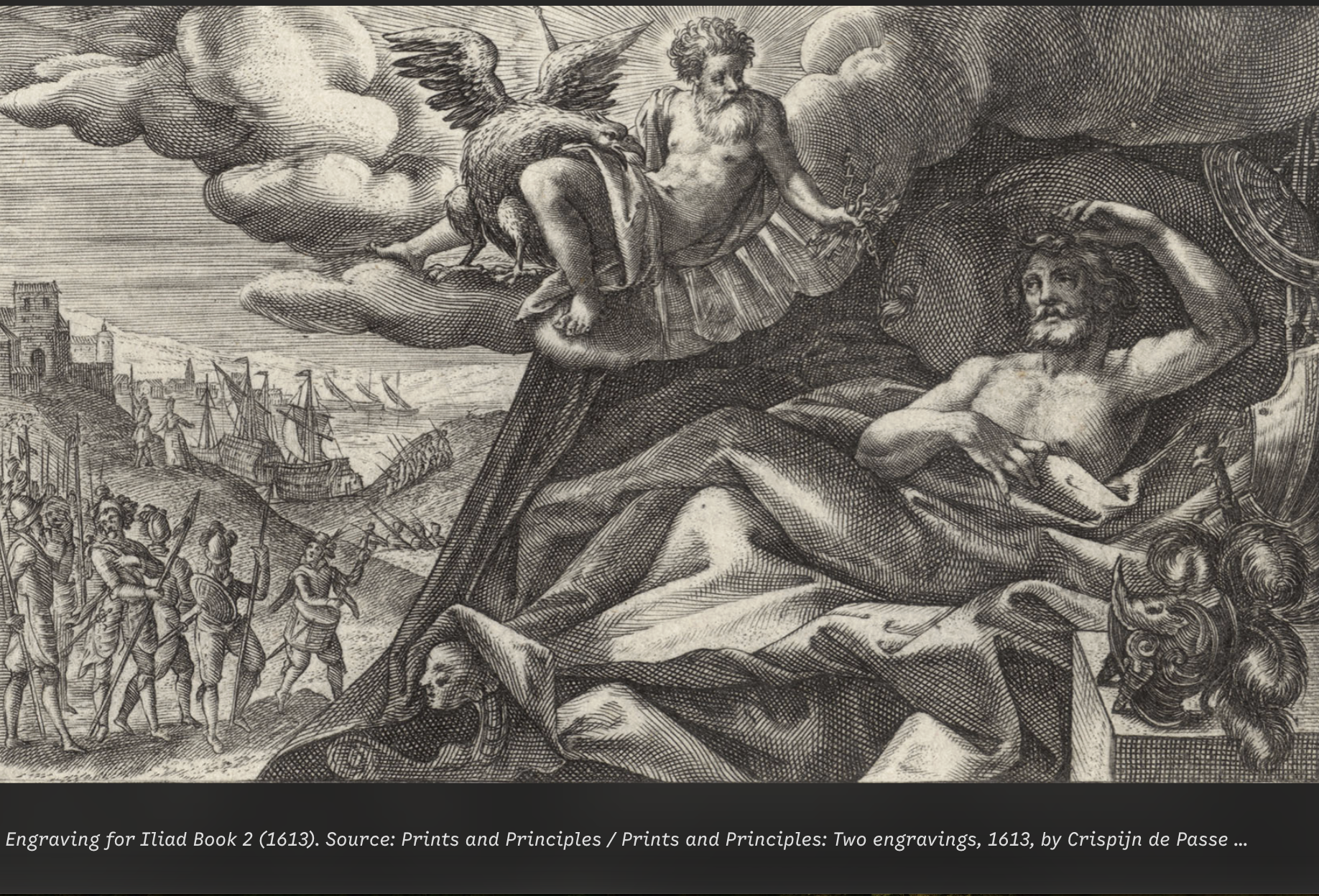
Passe, Crispijn de, the Elder. Speculum Heroicum Principis Omnium Temporum Poetarum Homeri, Id Est Argumenta XXIV Librorum Iliados Homeri. Utrecht: Ex officina Typographica Crispini Passaei, 1613.

Hobbes trans. Homer’s Illiads in English

"Sleeps the wise son of Atreus? It is wrong For him to sleep a whole night out, to whom The care of such a people doth belong, And has to do so many things to come. Now listen to me, I from Jove am sent, Who though he be far off, yet cares for you; He bids you arm the Greeks, and out of hand Bring down your forces to the Trojan field."

Continue ReadingHobbes trans. Homer’s Illiads in English
Read more about the article Hobbes trans. Homer’s Odysses
Van Thulden, Theodor. Les Travaux d’Ulysse, desseignez par le Sieur de Sainct Martin, de la façon qu’ils se voyent dans la maison Royalle de Fontainebleau. Paris: Melchior Tavernier, 1633.

Hobbes trans. Homer’s Odysses

"And Argos, which lay there, pricked up his ear, And wagged his tail, but could not rise, for he Was very old, and knew his master near, Who, unseen, wiped a tear from his own eye." (Book 17, lines 282–285)

Continue ReadingHobbes trans. Homer’s Odysses
Read more about the article Spinoza Theological-Political Treatise
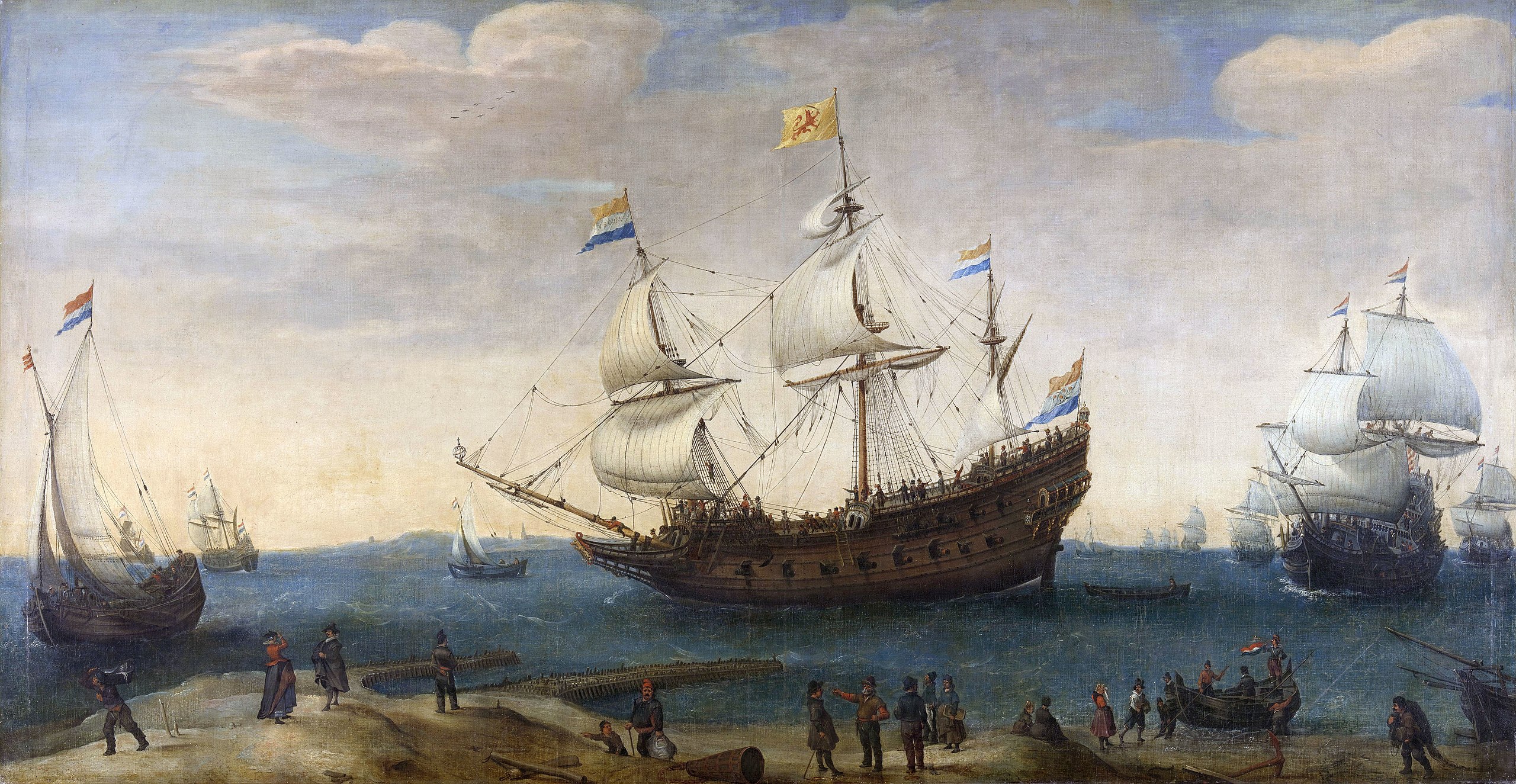
2560px Een aantal Oostindiëvaarders voor de kust Rijksmuseum SK A 3108

Spinoza Theological-Political Treatise

However, we have shown already (Chapter XVII) that no man's mind can possibly lie wholly at the disposition of another, for no one can willingly transfer his natural right of free reason and judgment, or be compelled so to do. For this reason government which attempts to control minds is accounted tyrannical, and it is considered as abuse of sovereignty and a usurpation of the rights of subjects, to seek to prescribe what shall be accepted as true, or rejected as false, or what opinions should actuate men in their worship of God. All these questions fall within a man's natural right, which he cannot abdicate even with his own consent.

Continue ReadingSpinoza Theological-Political Treatise
Read more about the article Hobbes Leviathan
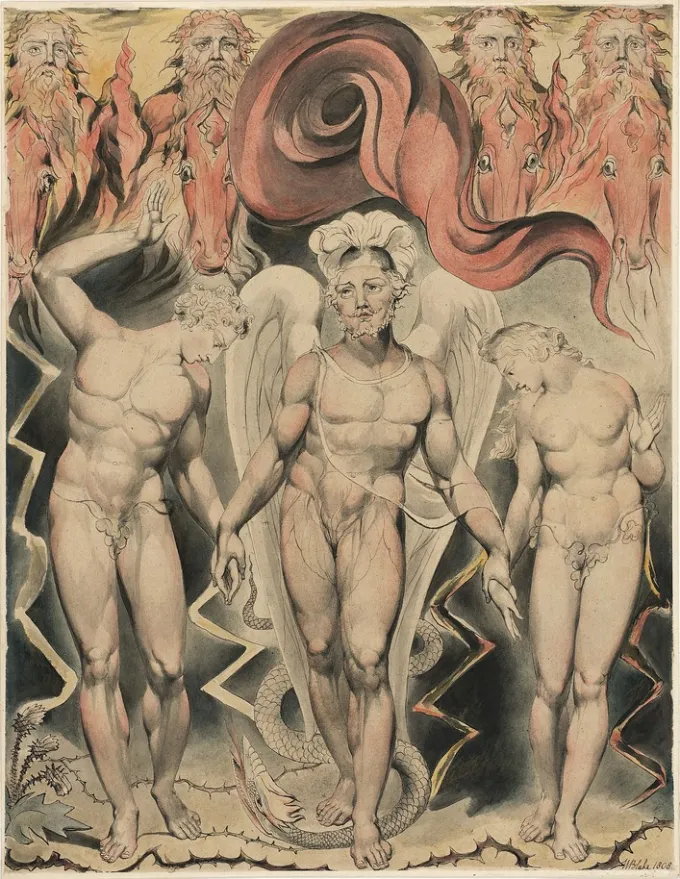
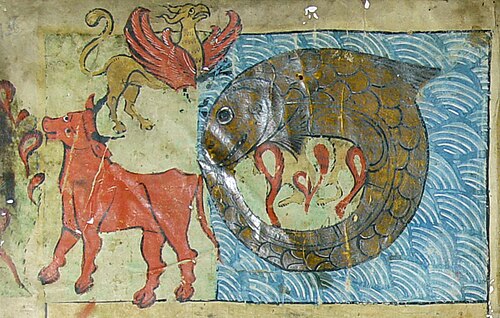
leviathan

Hobbes Leviathan

Nature (the Art whereby God hath made and governes the World) is by the Art of man, as in many other things, so in this also imitated, that it can make an Artificial Animal. For seeing life is but a motion of Limbs, the beginning whereof is in some principall part within, why may we not say, that all Automata (Engines that move themselves by springs and wheeles as doth a watch) have an artificiall life? For what is the Heart, but a Spring; and the Nerves, but so many Strings; and the Joynts, but so many Wheeles, giving motion to the whole Body, such as was intended by the Artificer? Art goes yet further, imitating that Rationall and most excellent worke of Nature, Man. For by Art is created that great Leviathan called a Common-wealth, or State, (in latine Civitas) which is but an Artificiall Man; though of greater stature and strength than the Naturall, for whose protection and defence it was intended; and in which, the Soveraignty is an Artificiall Soul, as giving life and motion to the whole body.... p.9

Continue ReadingHobbes Leviathan