Bonnie Honig Democracy and the Foreigner
I take foreignness as a topic, a question, rather than a problem. What does it mean? What sort of work does it do in cultural politics?
Sheldon Wolin De Tocqueville Between Two Worlds
Democracy is perpetuated as philanthropic gesture, contemptuously institutionalized as welfare, and denigrated as populism. p.572
Jorge Luis Borges This Craft of Verse
And when the fact that poetry, language, was not only a medium for communication but could also be a passion and a joy—when this was revealed to me, I do not think I understood the words, but I felt that something was happening to me. It was happening not to my mere intelligence but to my whole being, to my flesh and blood.
S. Sara Monoson Plato’s Democratic Entanglements
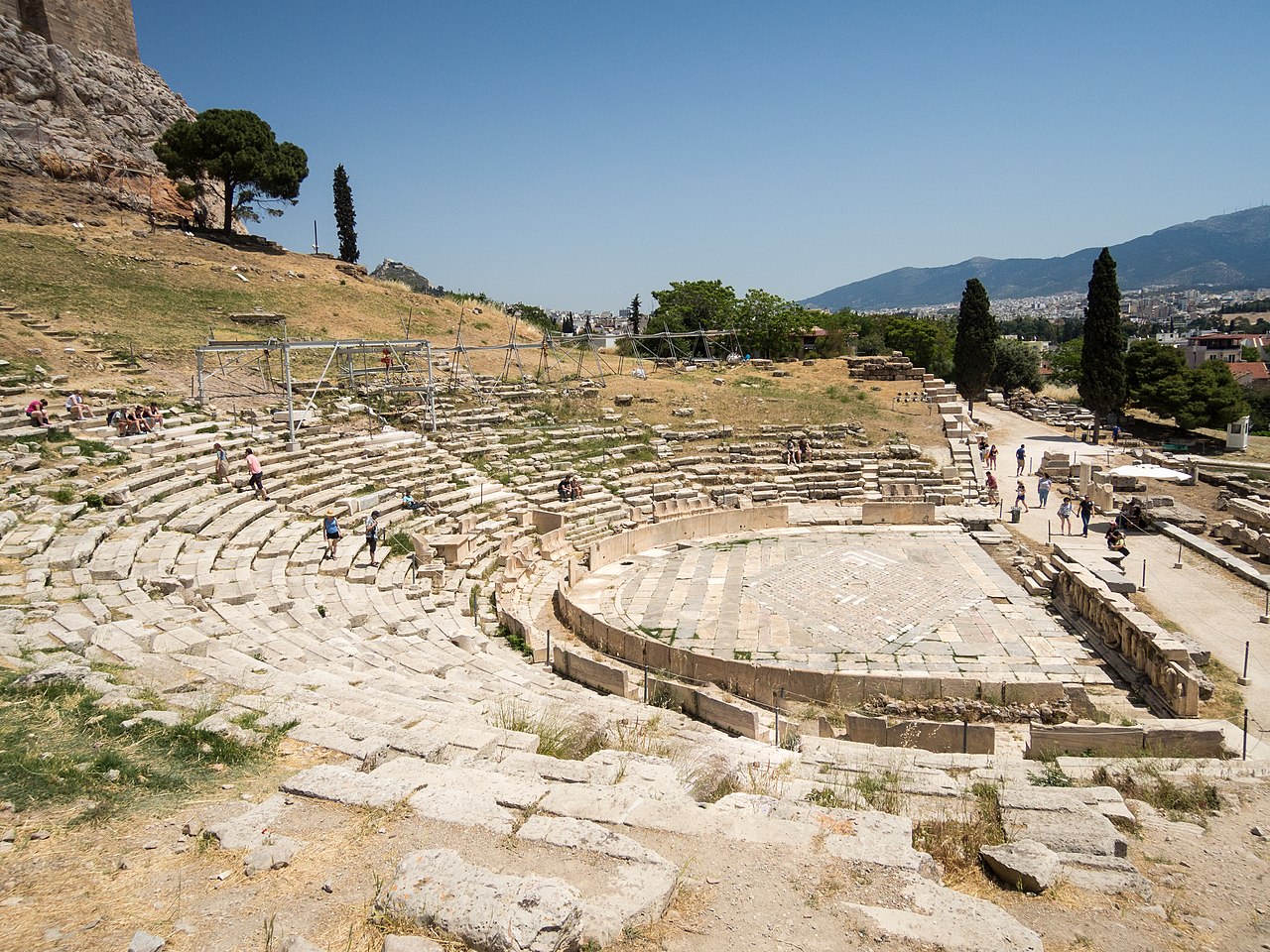
Plato’s depictions of intellectual labor in his dialogues contain a puzzle. On the one hand, the dialogues voice some of the most aggressive attacks on the intellectual merit of theatrical enterprises in all of Western litera-ture. Most famously, the Republic banishes poetry from the ideal city(607a–e). In the Laws, moreover, the Athenian Stranger decries the deterioration of democratic politics into a “wretched theatocracy” (theatro- kratia, 701a1). On the other hand, Plato likens serious intellectual toil, including philosophic understanding, to being a theater-goer. Through-out his dialogues he sustains a delicate metaphor: “Intellectual labor is like the activity of being a theate¯s,” where theate¯s refers to an audience memberat the theater, during the dramatic competitions held on grand civic festival occasions.
Michael Hanchard Afro Modernity: Temporality, Politics, and the African Diaspora
These encounters remind us, I believe, that there are many vantage points from which one can view and experience this thing known as modernity: as nightmare or utopia; as horrible past or future present. These contrasting views caution us against modernity’s reification and implore us to view modernity as a process of lived experience, with winners and losers, as well as strivings for redemption, recovery, retribution, and revolution, each experience tumbling into another and becoming—dare I say—history.
Quentin Skinner Liberty before Liberalism
The history of philosophy, and perhaps especially of moral, social and political philosophy, is there to prevent us from becoming too readily bewitched. The intellectual historian can help us to appreciate how far the values embodied in our present way of life, andd our present ways of thinking about those values, reflect a series of choices made at different times between different possible worlds. This awareness can help to liberate us from the grip of any one hegemonal account of those values and how they should be interpreted and understood. p.117