Read more about the article Plato’s Laws
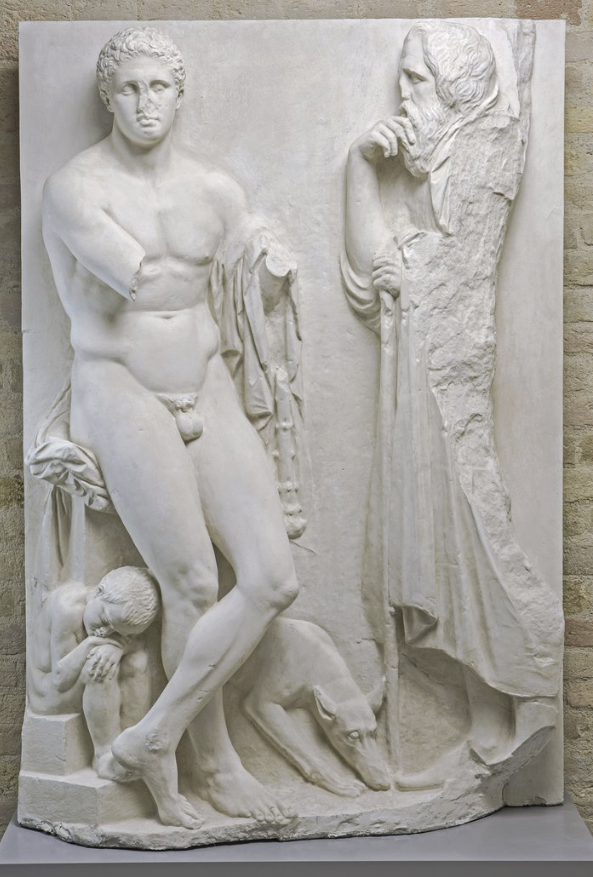
Grave Stele of Ilissos (or Grave Stele of a Young Hunter). c. 340 BCE. Pentelic marble, 168 x 110 cm. Inventory no. 869. National Archaeological Museum, Athens.

Plato’s Laws

Athenian Stranger. Tell me, Strangers, is a God or some man supposed to be the author of your laws?
Continue ReadingPlato’s Laws
Read more about the article Plato, Timaeus
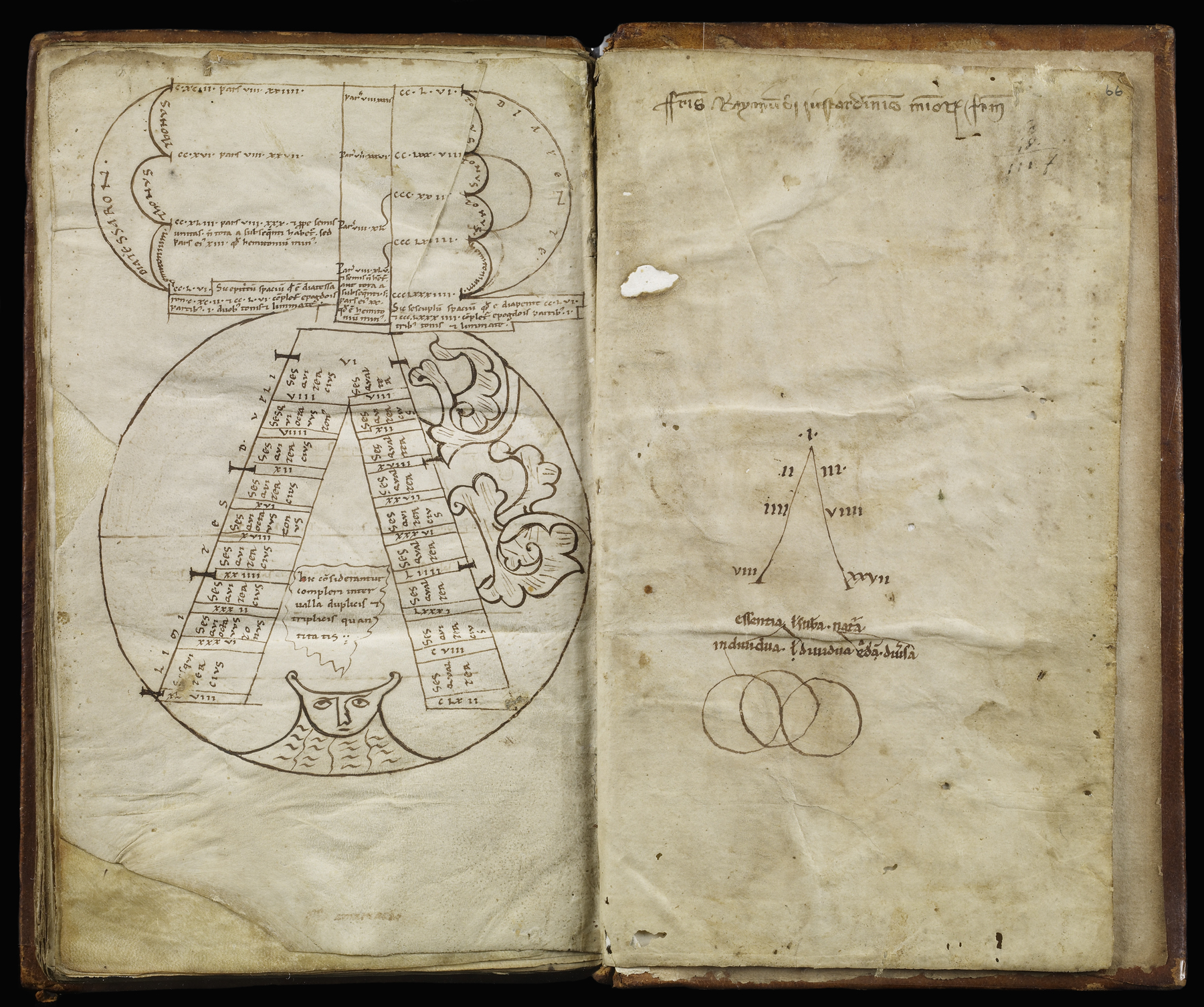
Lambda Diagram of the World Soul from Plato's Timaeus. ca. 1175–1200. Ink and tempera on vellum. Walters Art Museum, Baltimore.

Plato, Timaeus

We may now say that our discourse about the nature of the universe has an end. The world has received animals, mortal and immortal, and is fulfilled with them, and has become a visible animal containing the visible--the sensible God who is the image of the intellectual, the greatest, best, fairest, most perfect--the one only begotten heaven.

Continue ReadingPlato, Timaeus
Read more about the article Plato The Republic
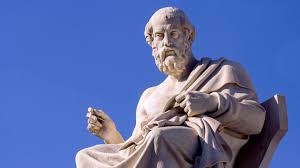
plato

Plato The Republic

The next step, apparently, is for us to try to discover, and point out, what the failings are in cities nowadays, which stop them being run in this way, and what is the minimum change which could help a city arrive at political arrangements of this kind. Ideally a single change. Failing that, two. And failing that, as few as possible in number and as small as possible in impact. 472b p.175

Continue ReadingPlato The Republic
Read more about the article Plato, Gorgias
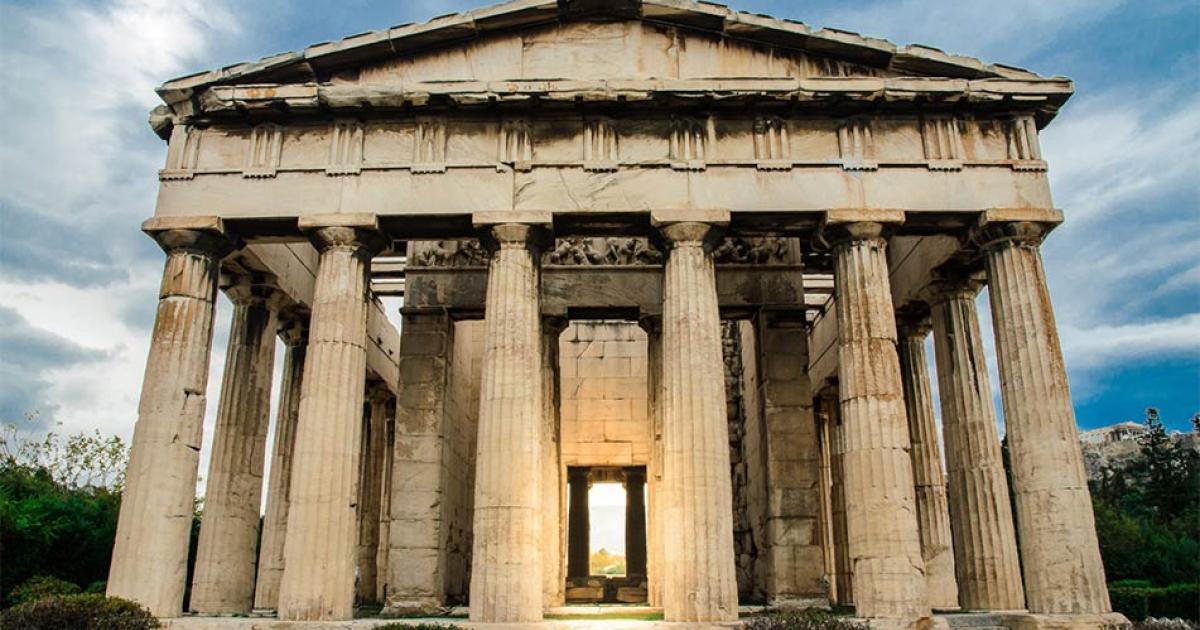
Athenian Agora

Plato, Gorgias

Polus: Very well, I shall. Tell me, Socrates, since you think Gorgias is confused about oratory, what do you say it is? Socrates: Are you asking me what craft I say it is? Polus: Yes, I am. Socrates: To tell you the truth, Polus, I dont think it's a craft at all.

Continue ReadingPlato, Gorgias
Read more about the article Plato, Euthyphro
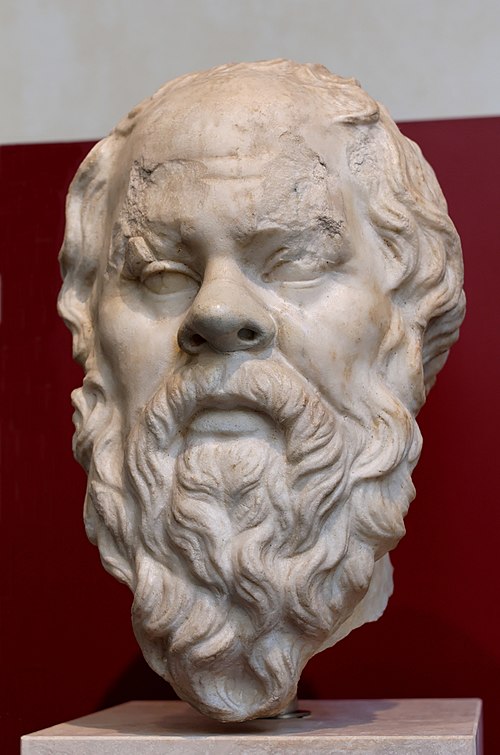
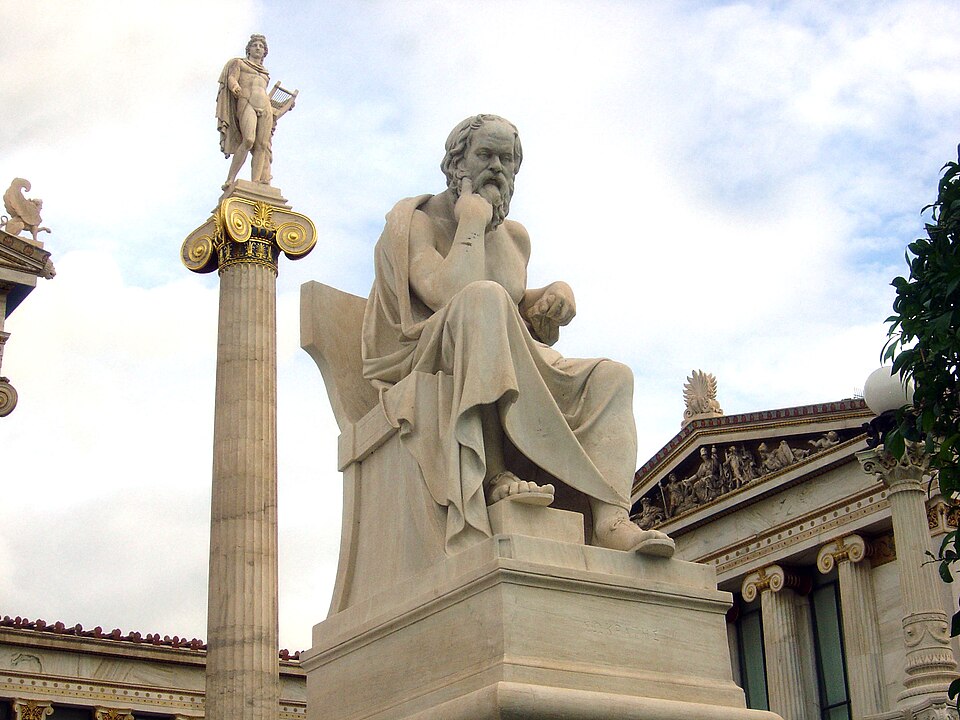
Socrates by Leonidas Drosis, Athens Academy of Athens

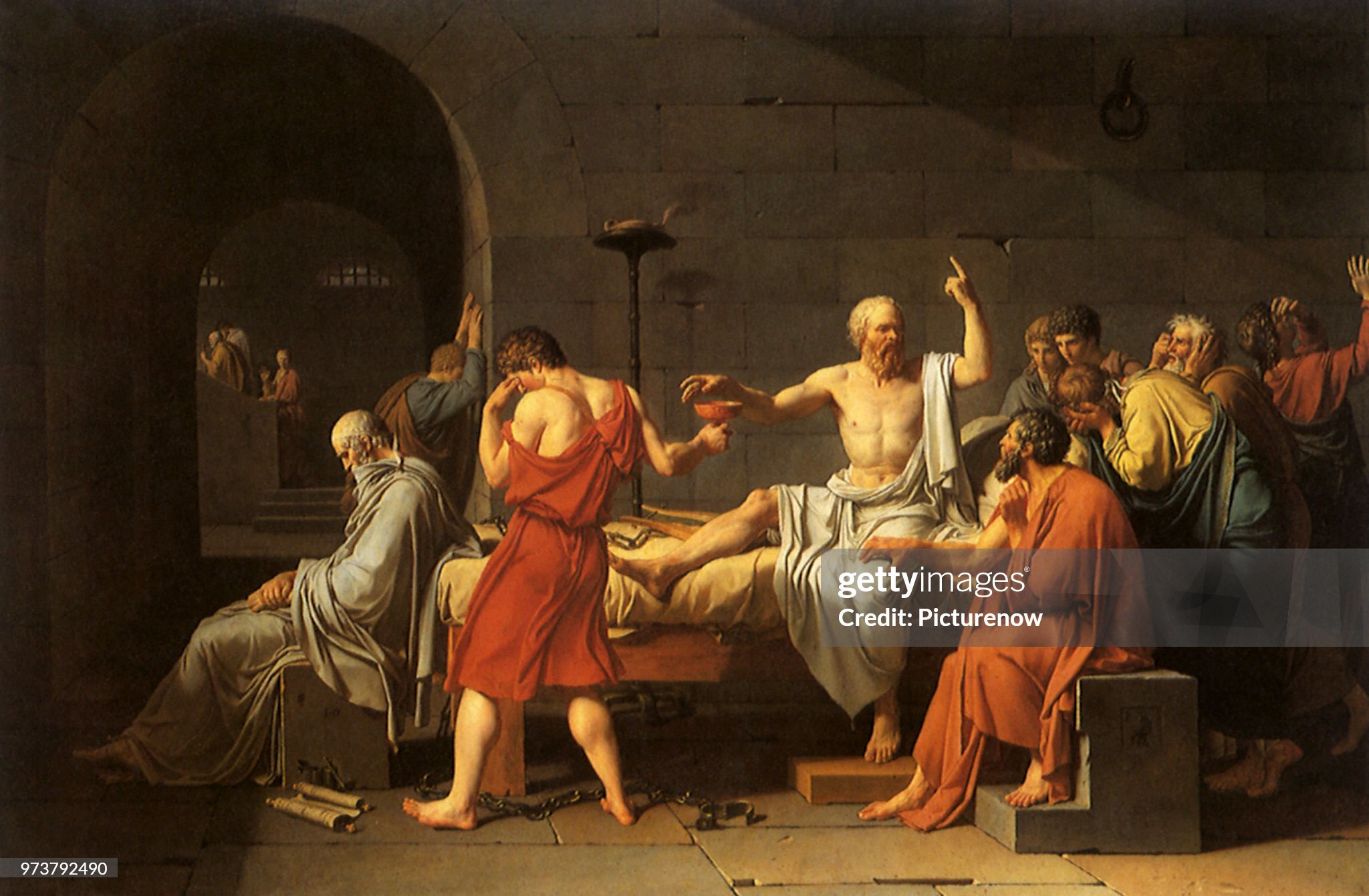
Plato, Euthyphro

Euthyphro: I don't know him, Socrates. What charge does he bring against you? Socrates: What charge? A not ignoble one I think, for it is no small thing for a young man to have knowledge of such an important subject. He says he knows how our young men are corrupted and who corrupts them.

Continue ReadingPlato, Euthyphro