Read more about the article Plato, Gorgias
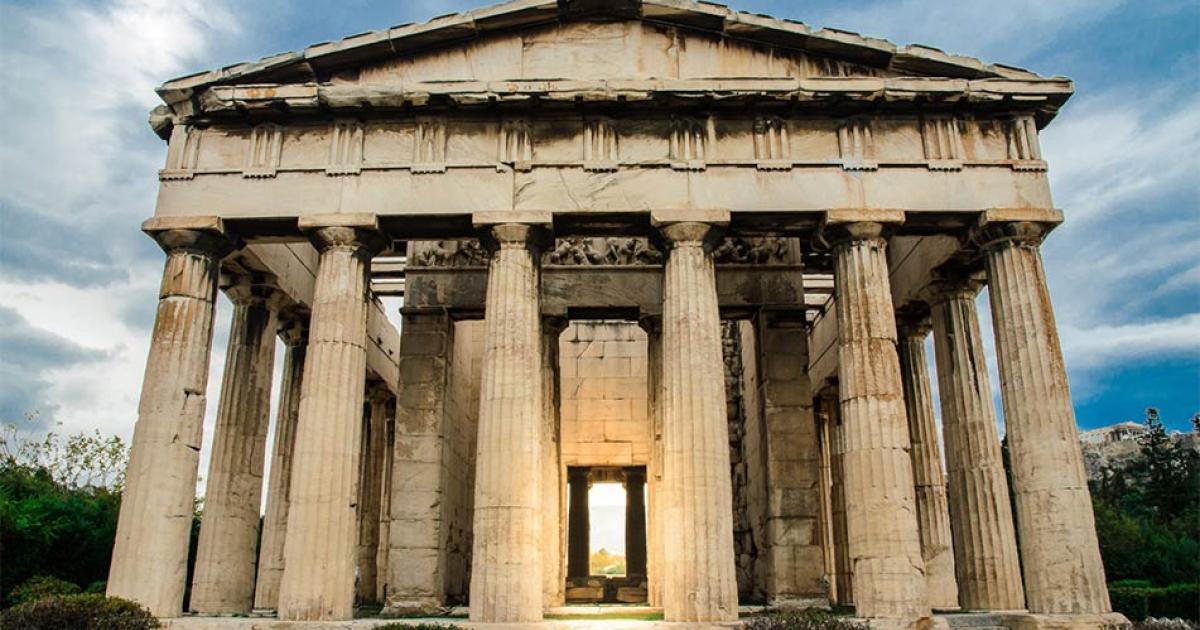
Athenian Agora

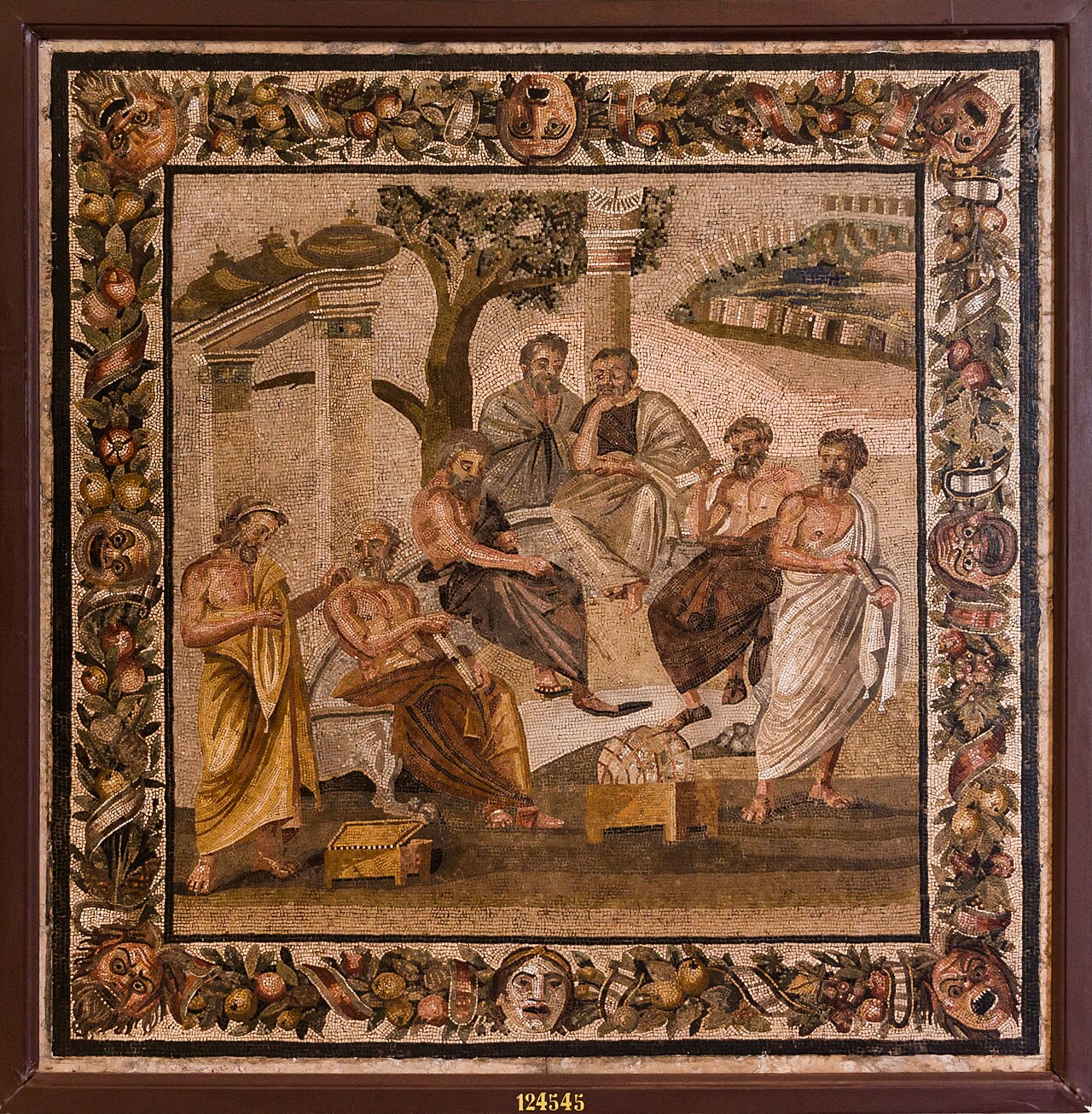
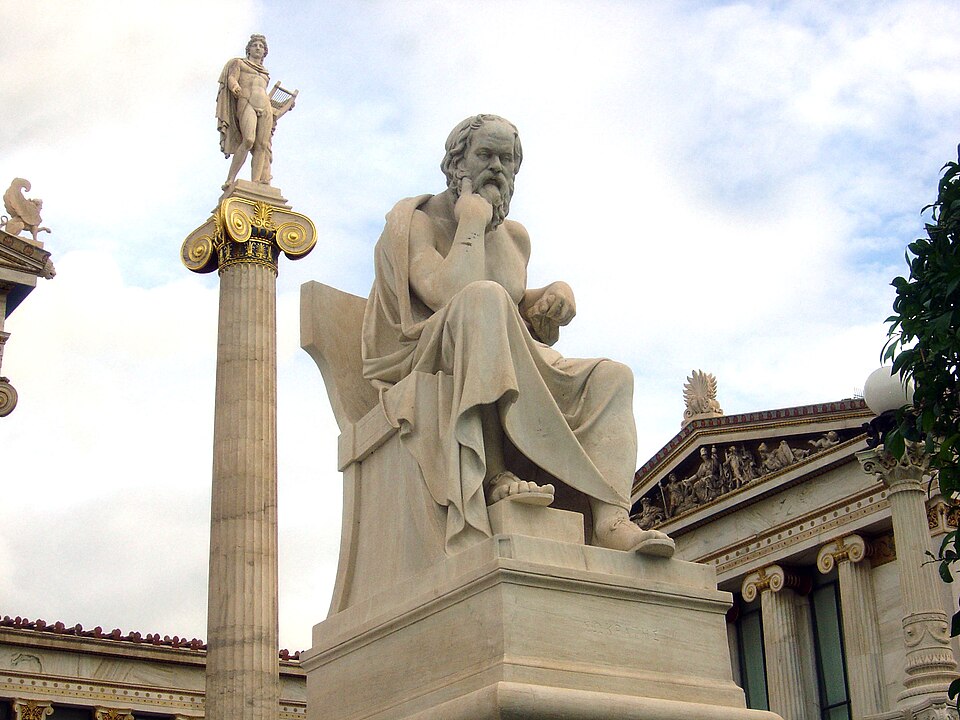
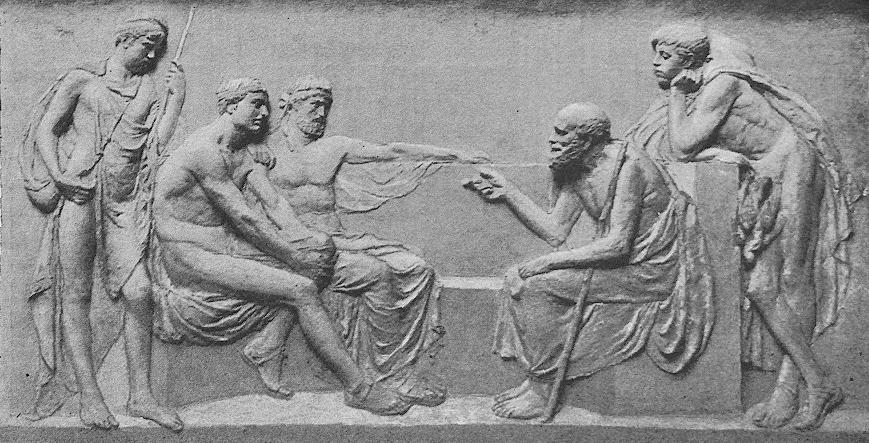
Plato, Gorgias

Polus: Very well, I shall. Tell me, Socrates, since you think Gorgias is confused about oratory, what do you say it is? Socrates: Are you asking me what craft I say it is? Polus: Yes, I am. Socrates: To tell you the truth, Polus, I dont think it's a craft at all.

Continue ReadingPlato, Gorgias
Read more about the article Sallust, Conspiracy of Catiline
sallust 03bbbcc9 9bb1 4837 acd2 28b67c00dca resize 750

Sallust, Conspiracy of Catiline

Since the occasion has thus brought public morals under my notice, the subject itself seems to call upon me to look back, and briefly to describe the conduct of our ancestors in peace and war; how they managed the state, and how powerful they left it; and how, by gradual alteration, it became, from being the most virtuous, the most vicious and depraved.

Continue ReadingSallust, Conspiracy of Catiline
Read more about the article Cicero, In Catilium
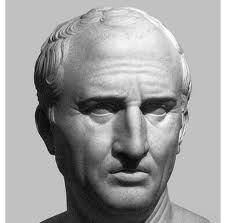
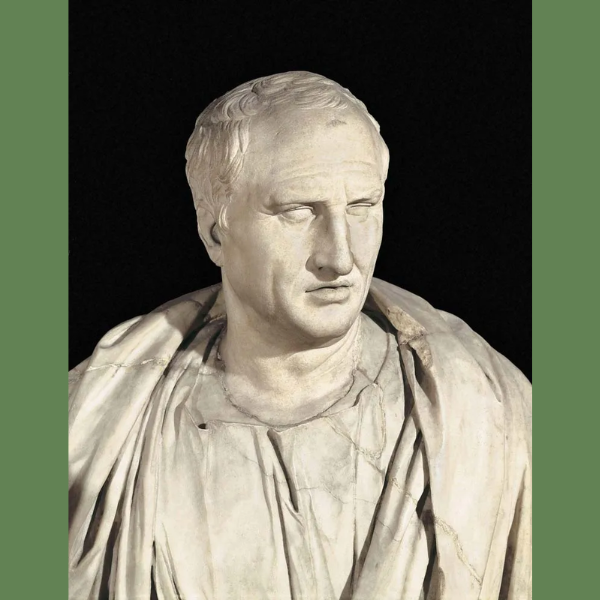
Cicero

Cicero, In Catilium

When, O Catiline, do you mean to cease abusing our patience? How long is that madness of yours still to mock us? When is there to be an end of that unbridled audacity of yours, swaggering about as it does now? Do not the nightly guards placed on the Palatine Hill—do not the watches posted throughout the city—does not the alarm of the people, and the union of all good men—does not the precaution taken of assembling the senate in this most defensible place—do not the looks and countenances of this venerable body here present, have any effect upon you? Do you not feel that your plans are detected? Do you not see that your conspiracy is already arrested and rendered powerless by the knowledge which every one here possesses of it? What is there that you did last night, what the night before— where is it that you were—who was there that you summoned to meet you—what design was there which was adopted by you, with which you think that any one of us is unacquainted? [2]

Continue ReadingCicero, In Catilium
Read more about the article Livy, Histories of Rome
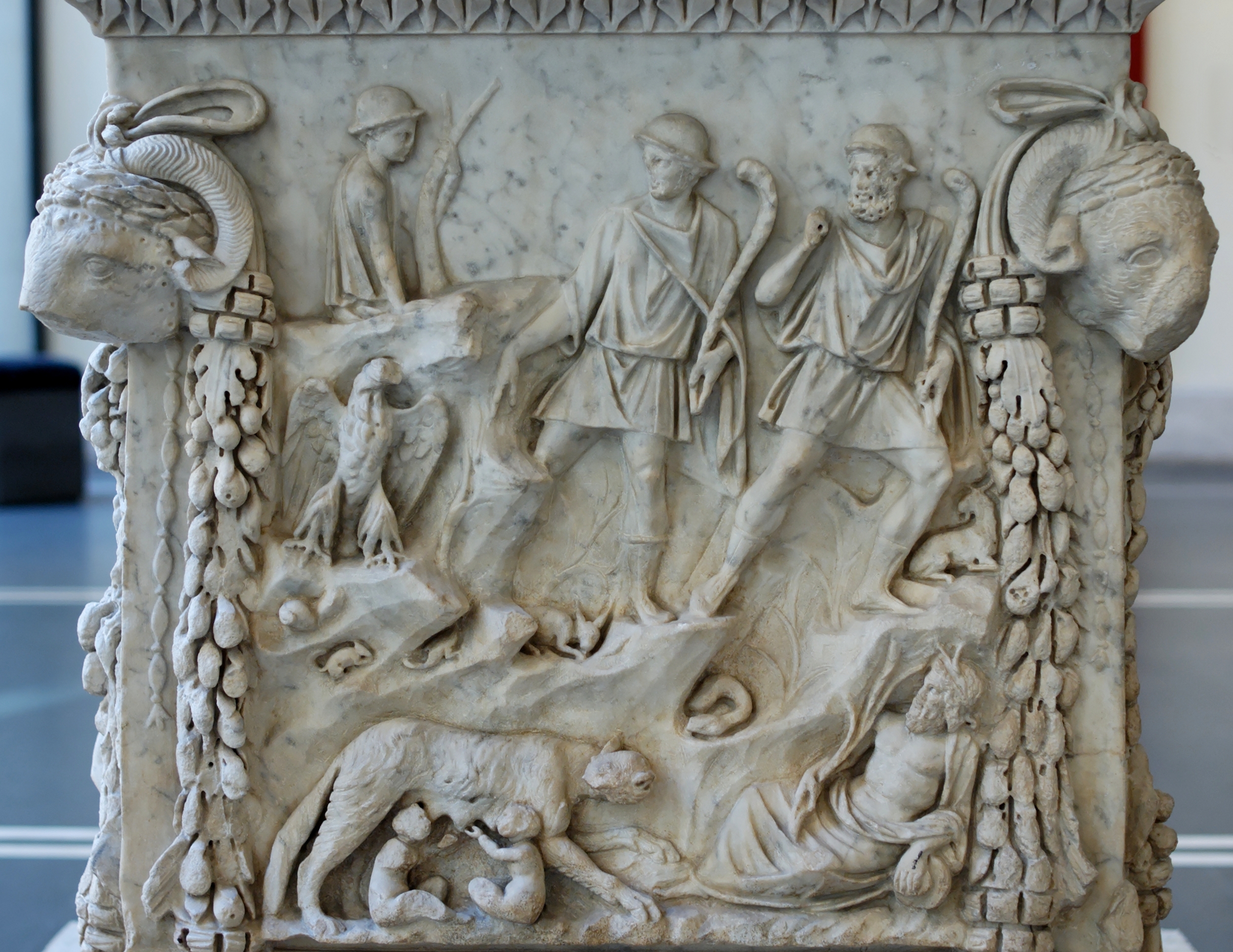
Altar Mars Venus Massimo

Livy, Histories of Rome

The subjects to which I would ask each of my readers to devote his earnest attention are these-the life and morals of the community; the men and the qualities by which through domestic policy and foreign war dominion was won and extended. Then as the standard of morality gradually lowers, let him follow the decay of the national character, observing how at first it slowly sinks, then slips downward more and more rapidly, and finally begins to plunge into headlong ruin, until he reaches these days, in which we can bear neither our diseases nor their remedies.

Continue ReadingLivy, Histories of Rome
Read more about the article Polybius, Histories
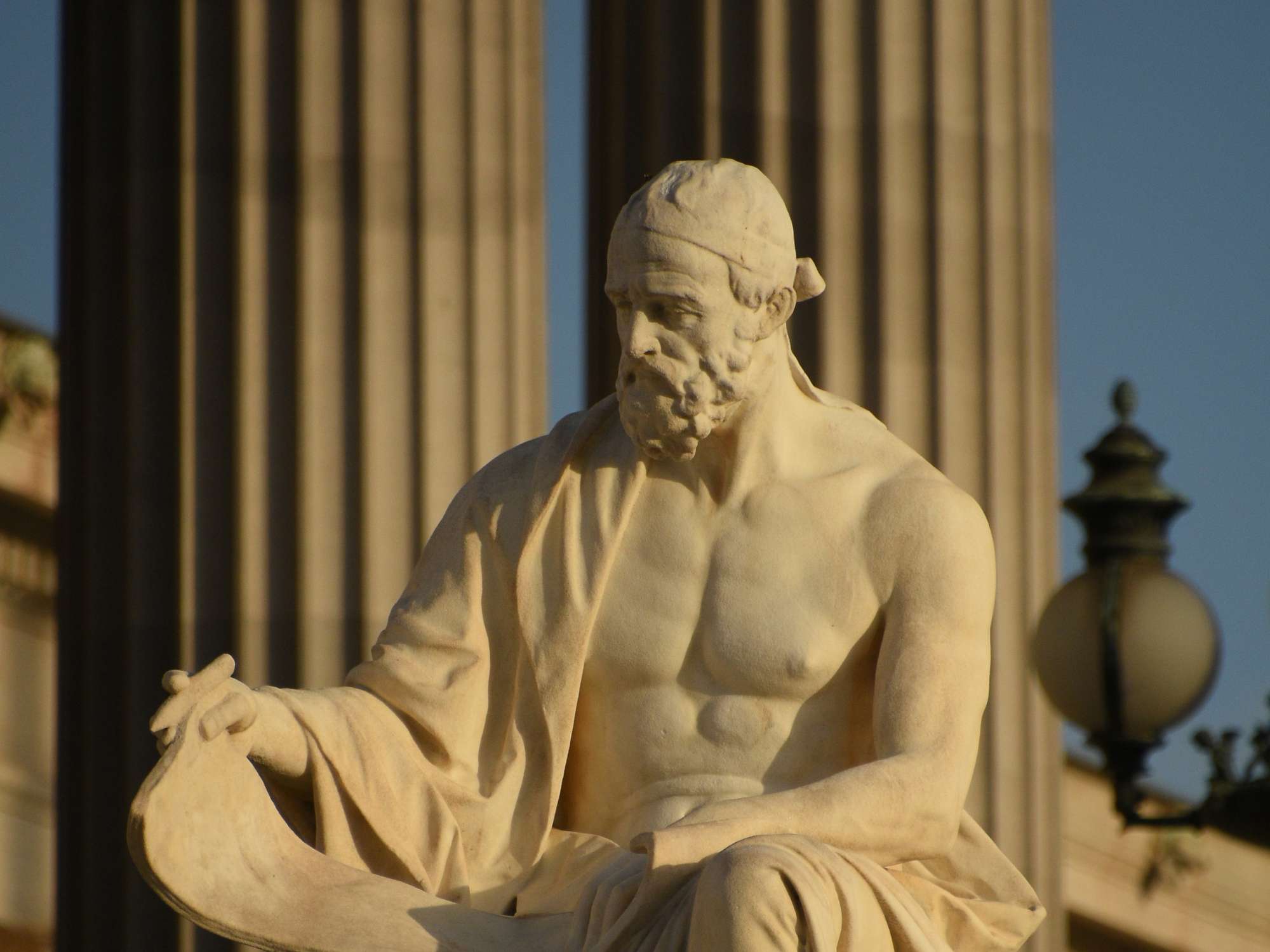
Statue of Historian Polybius at the Austrian Parliament

Polybius, Histories

For it is only by observing how each of these constitutions comes into being that one can see when, how, and where the growth, the perfection, the change and the end of each is likely to recur. I believe that the Roman constitution is a better subject than any other for this method of analysis, because its origin and growth have from the very beginning followed natural causes.

Continue ReadingPolybius, Histories
Read more about the article Aristotle, The Politics and the Constitution of Athens
aristotle getty

Aristotle, The Politics and the Constitution of Athens

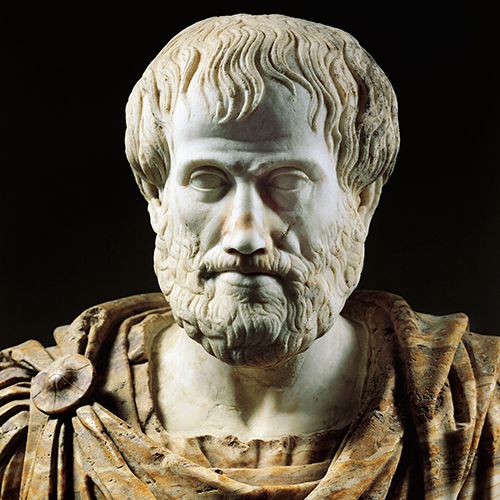
And therefore, if the earlier forms of society are natural, so is the state, for it is the end of them, and the nature of a thing is its end. For what each thing is when fully developed, we call its nature, whether we are speaking of a man, a horse, or a family. Besides, the final cause and end of a thing is the best, and to be self-sufficing is the end and the best. Hence it is evident that the state is a creation of nature, and that man is by nature a political animal. (1252b30 - 1253a3)

Continue ReadingAristotle, The Politics and the Constitution of Athens