
Arendt On Revolution
The question is only whether that which made for stability and answered so well the early modern preoccupation with permanence was enough to preserve the spirit which had become manifest during the Revolution itself. p.231
Arendt The Human Condition
The space of appearance comes into being wherever men are together in the manner of speech and action, and therefore predates and precedes all formal constitution of the public realm and the various forms of government, that is, the various forms in which the public realm can be organized. p.199

Spinoza Ethics
Proof.—A free man is one who lives under the guidance of reason, who is not led by fear (IV. lxiii.), but who directly desires that which is good (IV. lxiii. Coroll.), in other words (IV. xxiv.), who strives to act, to live, and to preserve his being on the basis of seeking his own true advantage; wherefore such an one thinks of nothing less than of death, but his wisdom is a meditation of life. Q.E.D.
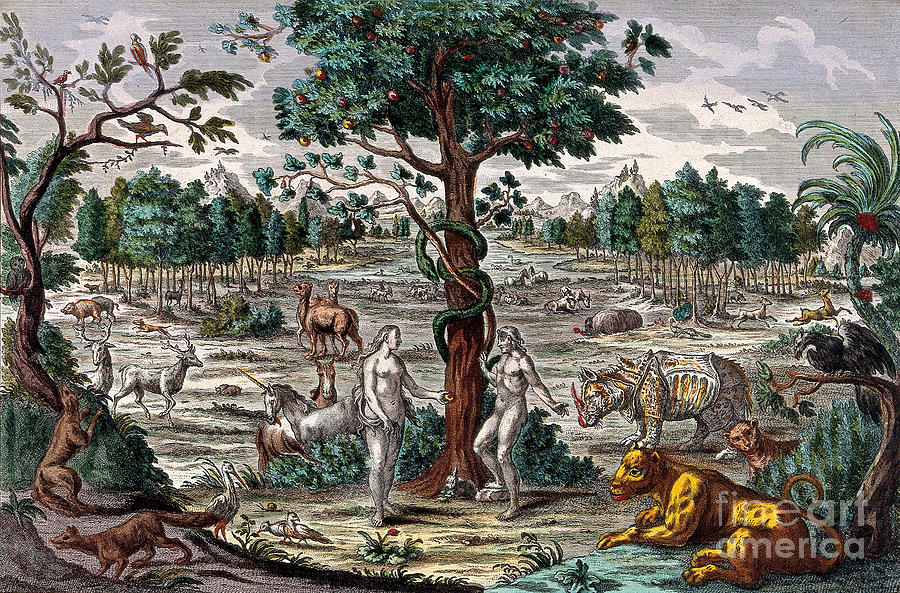
Kant Religion within the Bounds of Reason Alone
However exalted the application of our concepts, and however far up from sensibility we may abstract them, still they will always be appended to image representations, whose proper function is to make these concepts, which are not otherwise derived from experience, serviceable for experiential use.
- Go to the previous page
- 1
- …
- 5
- 6
- 7
- 8
- 9
- 10
- 11
- …
- 13
- Go to the next page