Read more about the article Wm Connolly Political Theory and Modernity
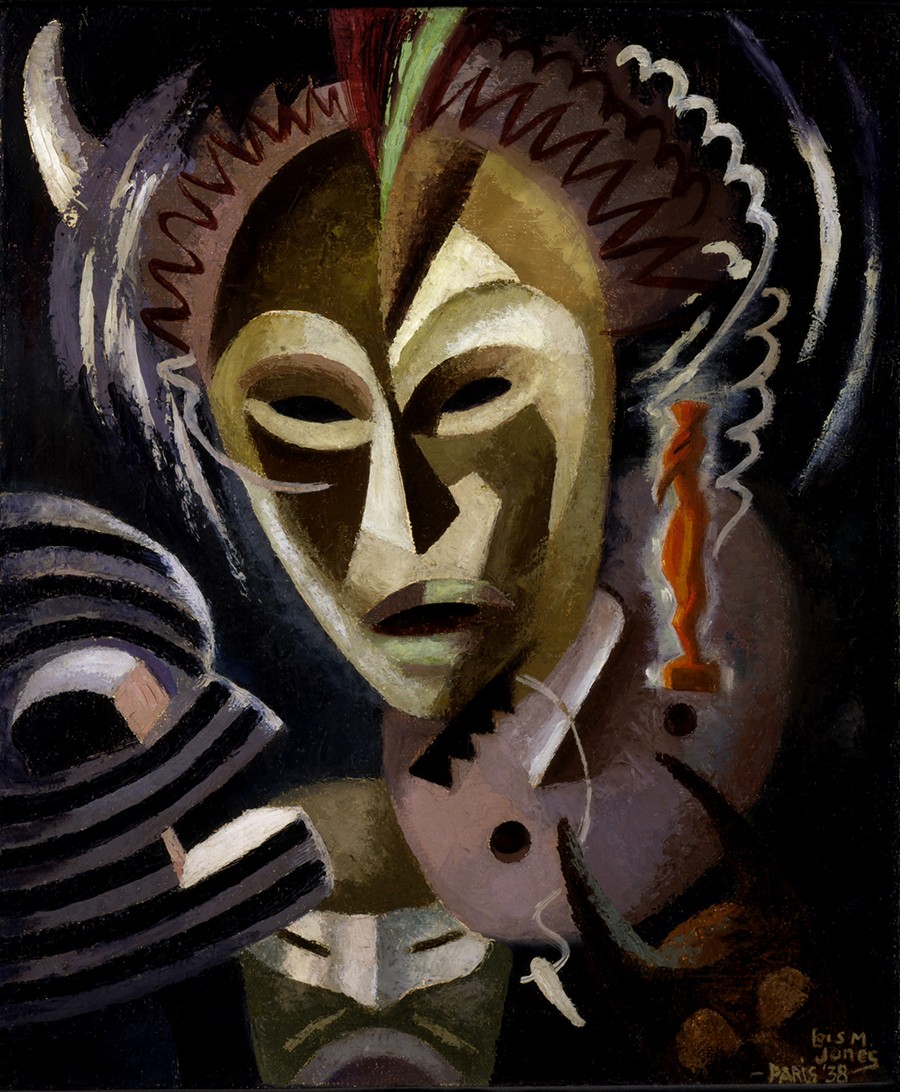
Lois Jones Les Fétiches

Wm Connolly Political Theory and Modernity

...it would turn the genealogist of resentment on his head by exploring democratic politics as a medium through which to expose resentment and to encourage the struggle against it. And it would turn periodically to thinkers such as Hobbes, Rousseau, Hegel and Marx...;to locate the myriad ways and means by which the twin drives to mastery and realization have lodged themselves inside modern formations; and to listen to subdued sounds of strife and resistance emanating from these integrated systems of modern thought. p.175
Continue ReadingWm Connolly Political Theory and Modernity
Read more about the article Rancière, Jacques. Le maître ignorant: Cinq leçons sur l’émancipation intellectuelle
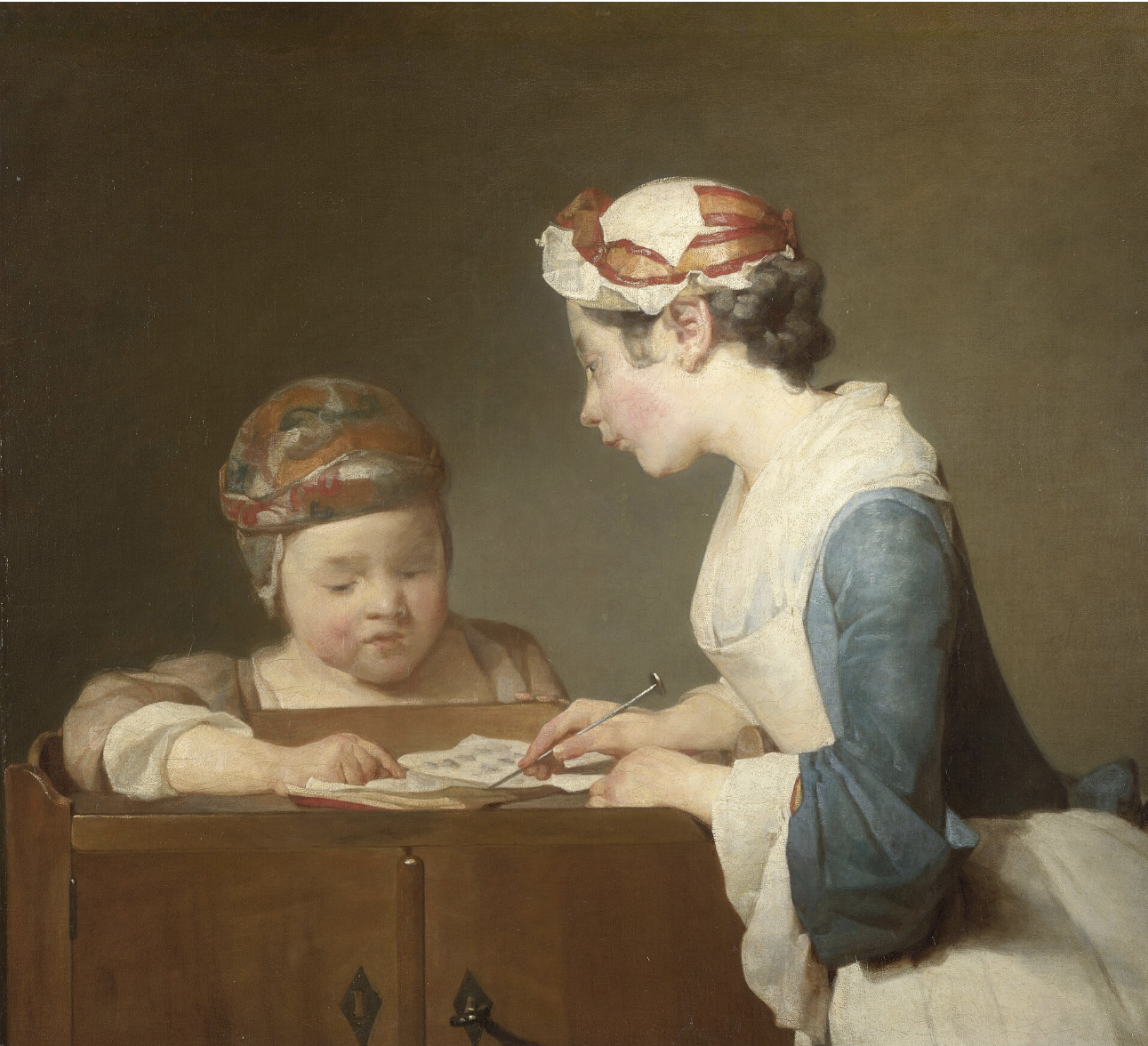
Chardin, Jean-Siméon. The Young Schoolmistress. c. 1735–1736. Oil on canvas, 61.5 × 66.5 cm. National Gallery, London, accession no. NG4088.

Rancière, Jacques. Le maître ignorant: Cinq leçons sur l’émancipation intellectuelle

the singular art of the explicator: the art of distance. The master's secret is to know how to recognize the distance between the taught material and the person being instructed, teh distance also between learning and understanding.

Continue ReadingRancière, Jacques. Le maître ignorant: Cinq leçons sur l’émancipation intellectuelle
Read more about the article Ricoeur, Du texte a l’action  From Text to Action
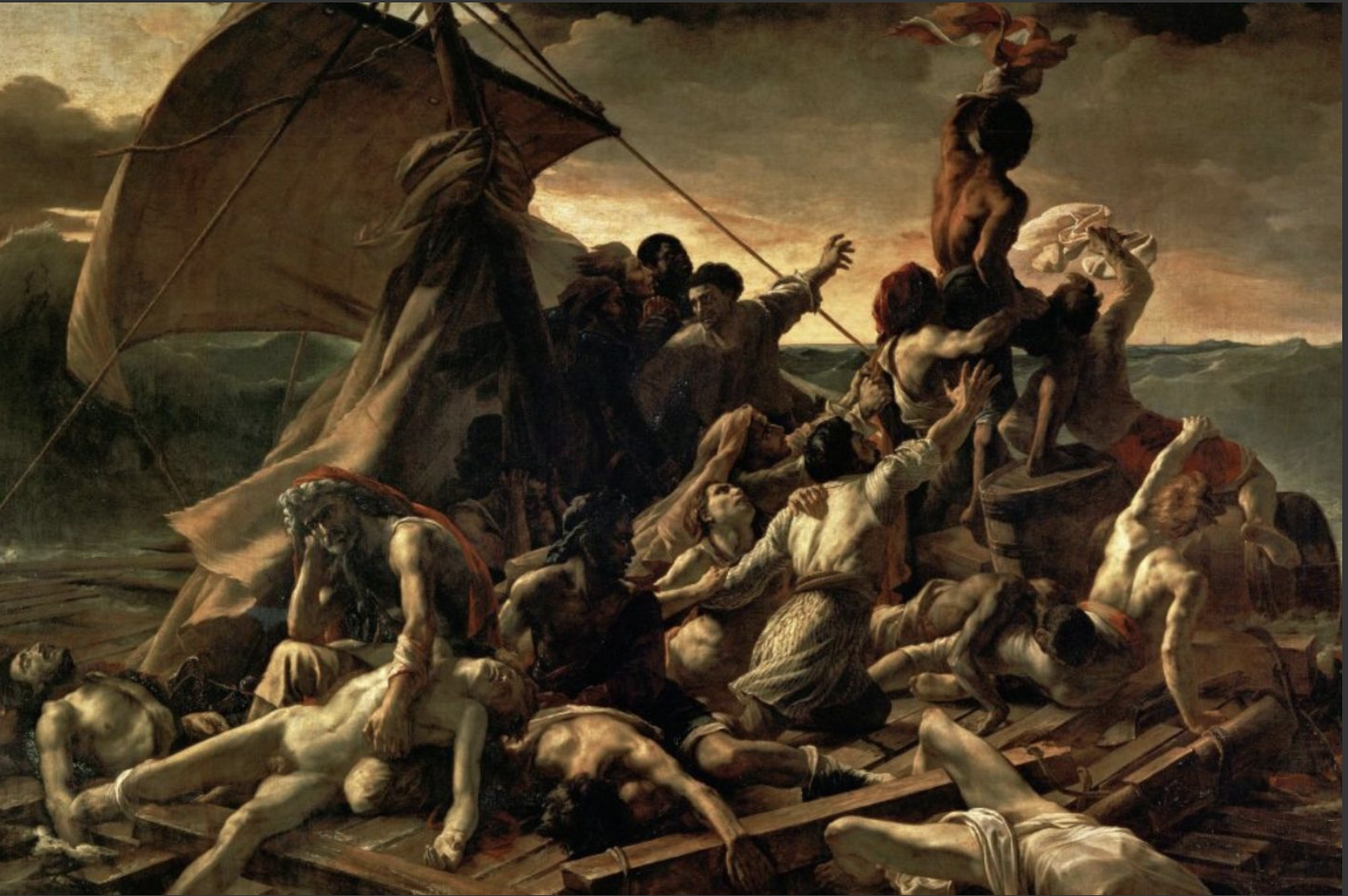
Géricault, Théodore. The Raft of the Medusa. 1818–1819. Oil on canvas, 491 cm × 716 cm. Musée du Louvre, Paris.

Ricoeur, Du texte a l’action From Text to Action

On the featured image Géricault, Théodore. The Raft of the Medusa. 1818–1819. Oil on canvas, 491 cm × 716 cm. Musée du Louvre, Paris.Museum Collection: Musée du Louvre, Paris - Department…

Continue ReadingRicoeur, Du texte a l’action From Text to Action
Read more about the article Ricoeur Temps et recit  Time and Narrative volumes 1-3
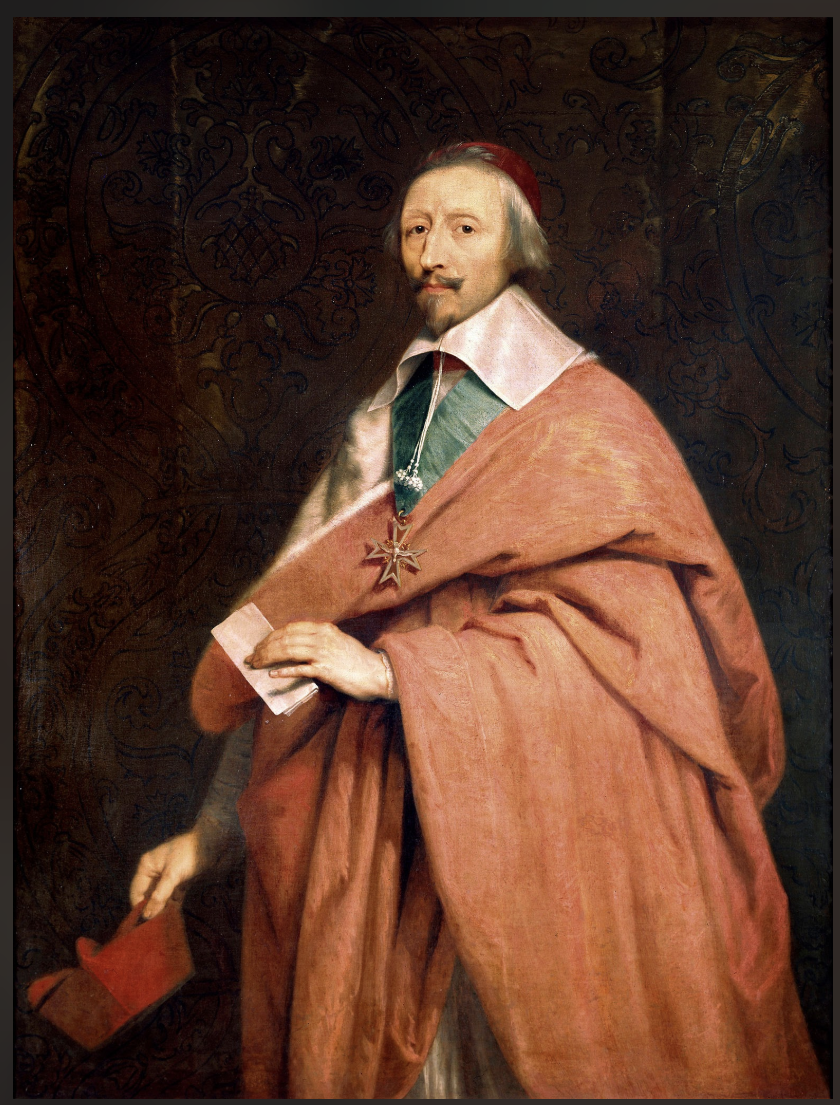
Champaigne, Philippe de. Portrait of Jean Duvergier de Hauranne, Abbé de Saint-Cyran. c. 1647–1648. Oil on canvas, 84 cm × 66 cm. Musée National des Châteaux de Versailles et de Trianon, Versailles.

Ricoeur Temps et recit Time and Narrative volumes 1-3

Conversely, a story only holds genuine meaning for us because it mirrors the actual structure of our lived experience. Every narrative relies on temporal coordinates—beginnings, crises, endings, and the weight of waiting—which directly correspond to our mortal condition.

Continue ReadingRicoeur Temps et recit Time and Narrative volumes 1-3
Read more about the article Michael Walzer Spheres of Justice
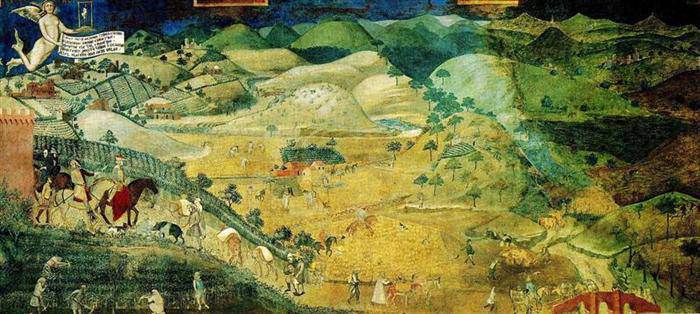
1338 1340 lorenzetti good government country 1

Michael Walzer Spheres of Justice

And equality is simply the outcome of the art -- at least for us, working with the materials here at hand. For the rest of the book, then, I shall try to describe those materials, the things we make and distribute, one by one. I shall try to get at what security and welfare, money, office, education, free time, political power, and so on, mean to us' how they figure in our lives; and how we might share, divide, and exchange them if we were free from every sort of domination.

Continue ReadingMichael Walzer Spheres of Justice
Read more about the article Michael Sandel Liberalism and the Limits of Justice
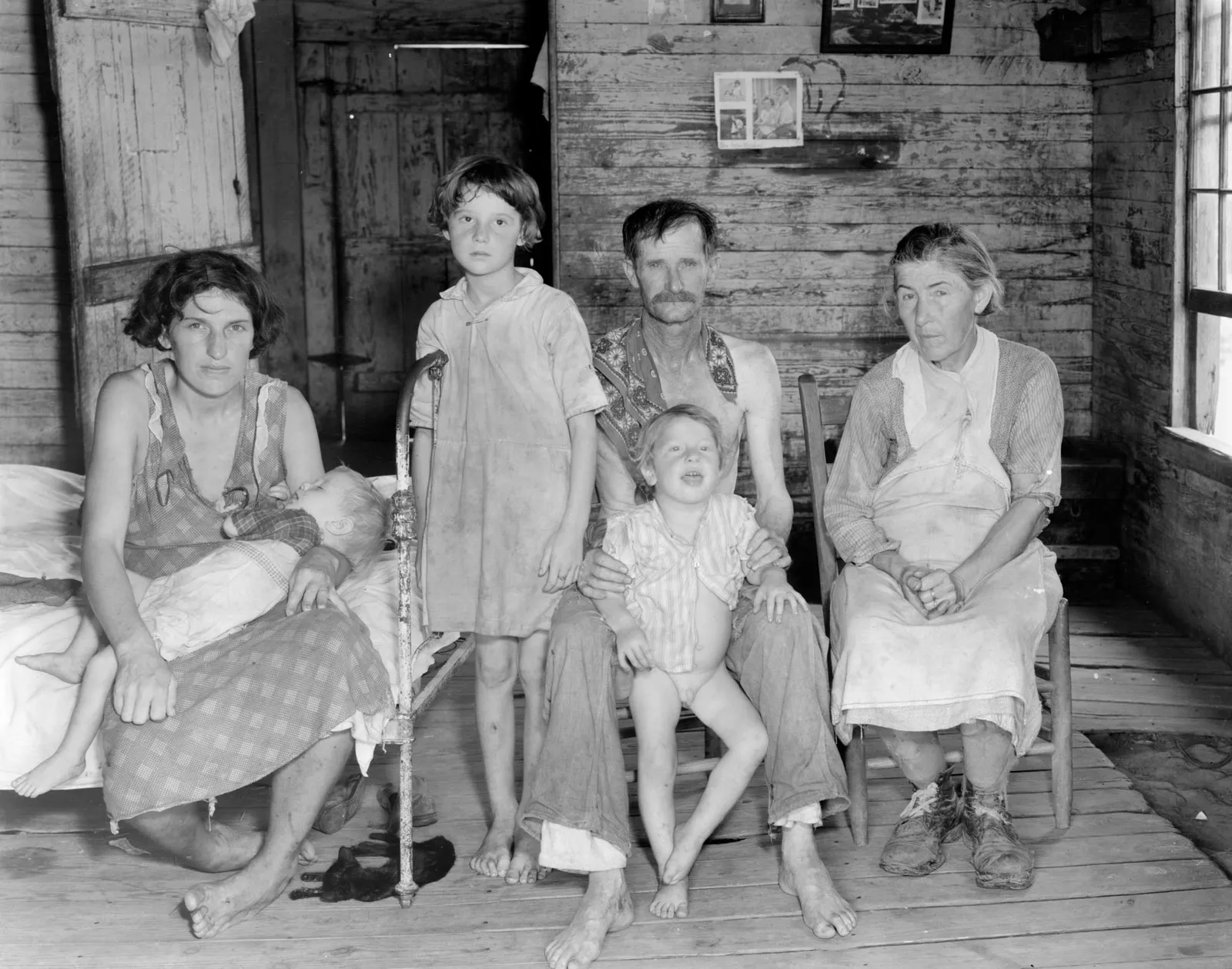
Bud Fields family Walker Evans photograph Hale

Michael Sandel Liberalism and the Limits of Justice

For justice to be the first virtue, certain things must be true of us. We must be creatures of a certain kind, related to human circumstance in a certain way. We must stand at a certain distance from our circumstance, whether as transcendental subject in the case of Kant, or as essentially unencumbered subject of possession in the case of Rawls. Either way, we must regard ourselves as independent: independent from the interests and attachments we may have at any moment, never identified by our aims but always capable of standing back to survey and assess and possibly to revise them (Rawls 1979: 7; 1980: 544–5). DEONTOLOGY'S LIBERATING PROJECT Bound up with the notion of an independent self is a vision of the moral universe this self must inhabit. Unlike classical Greek and medieval Christian conceptions, the universe of the deontological ethic is a place devoid of inherent meaning, a world ‘disenchanted’ in Max Weber's phrase, a world without an objective moral order. Only in a universe empty of telos, such as seventeenth-century science and philosophy affirmed, is it possible to conceive a subject apart from and prior to its purposes and ends. Only a world ungoverned by a purposive order leaves principles of justice open to human construction and conceptions of the good to individual choice. In this the depth of opposition between deontological liberalism and teleological world views most fully appears.

Continue ReadingMichael Sandel Liberalism and the Limits of Justice
Read more about the article Arendt Lectures on Kant’s Political Philosophy
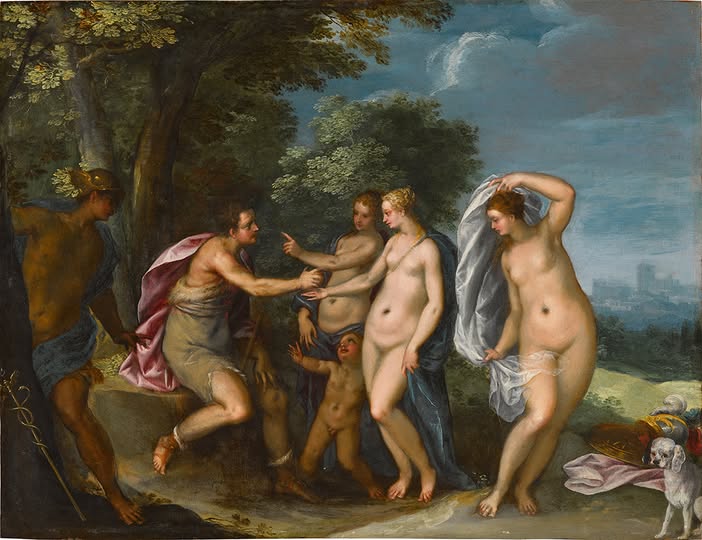
judgmentofparis

Arendt Lectures on Kant’s Political Philosophy

In the Critique of Pure Reason imagination is at the service of the intellect; in the Critique of Judgment the intellect is "at the service of imagination." In the Critique of Judgement we find an analogy to the "schema": the example. Kant accords to examples the same role in judgments that the intuitions called schemata has for experience and cognition. Examples play a role in both reflective and determinant judgments, that is, whenever we are concerned with particulars. p.84

Continue ReadingArendt Lectures on Kant’s Political Philosophy