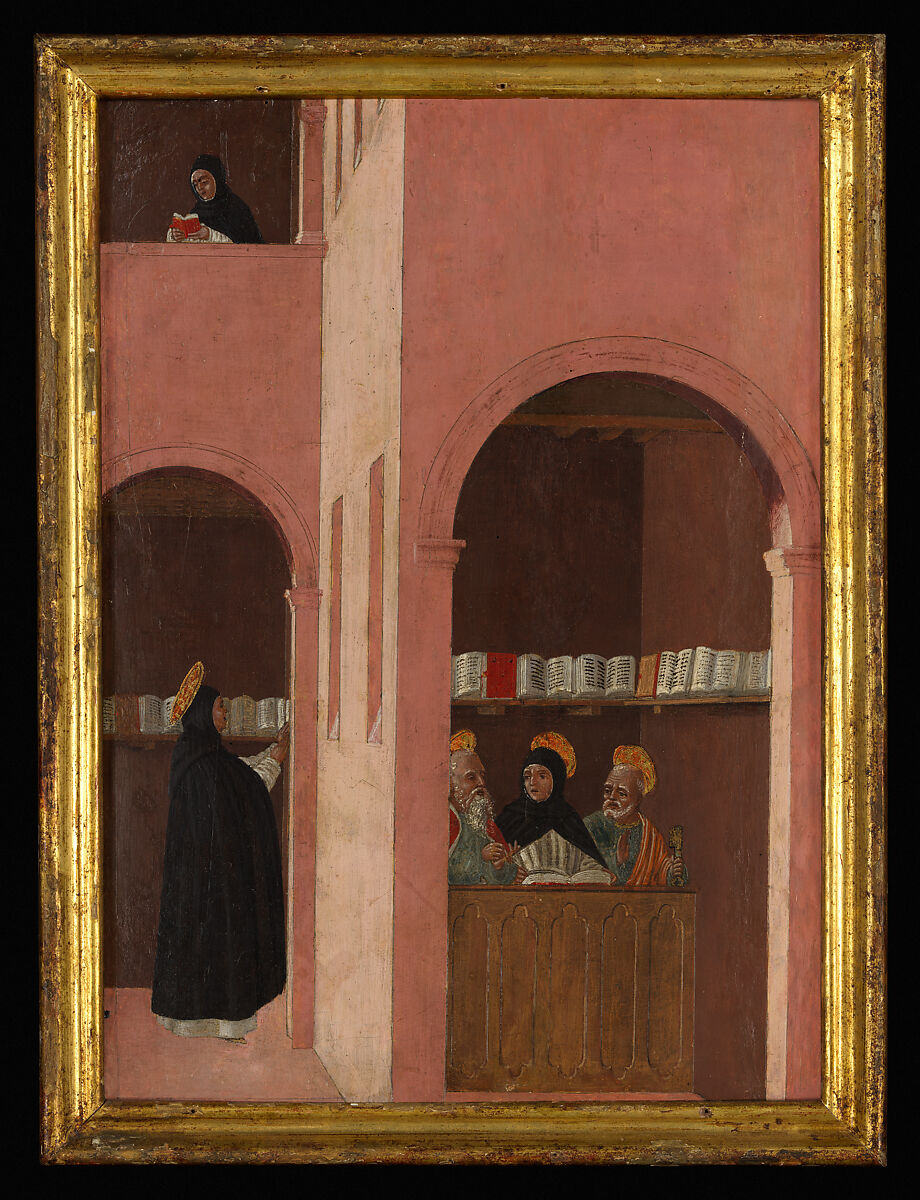
Saint Thomas Aquinas Aided by Saints Peter and Paul
Aquinas Commentaries on Artistotle
"The aim of the philosopher is to attain to the truth of things, not merely to the opinions of others." (Commentary on the Metaphysics, Introduction)

"The aim of the philosopher is to attain to the truth of things, not merely to the opinions of others." (Commentary on the Metaphysics, Introduction)
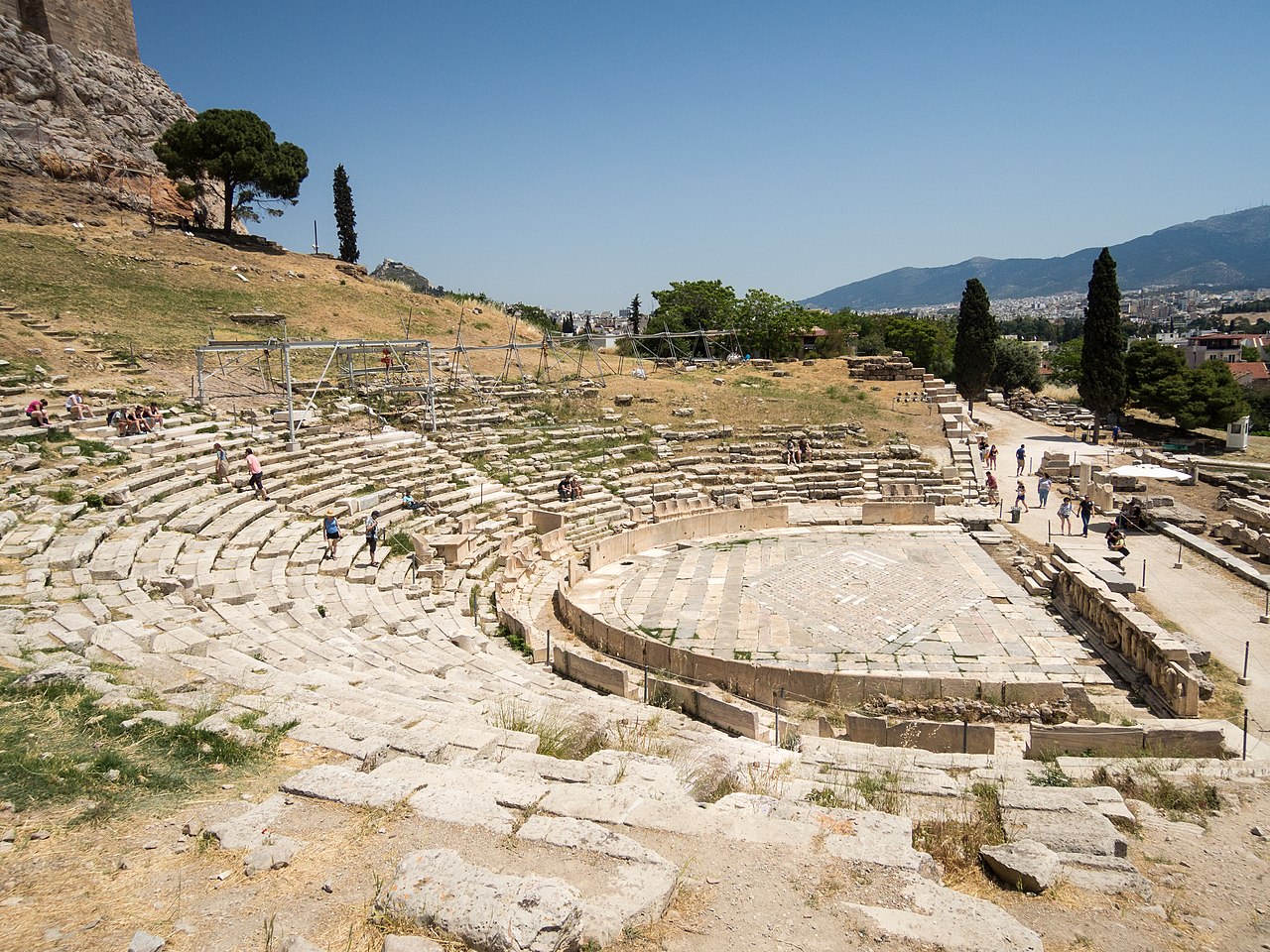
For tragedy is an imitation, not of human beings, but of actions and of life.

For it is owing to their wonder that men both now begin and at first began to philosophize.
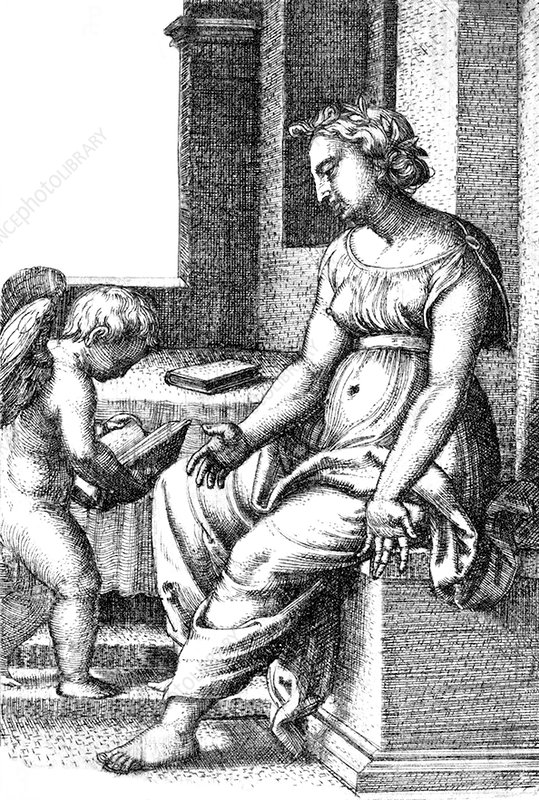
Character may almost be called the most effective means of persuasion.
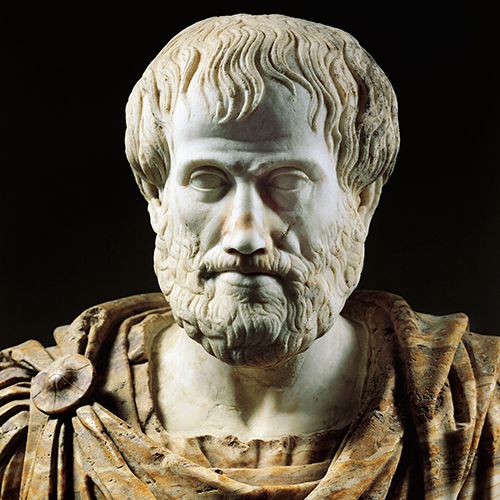
And therefore, if the earlier forms of society are natural, so is the state, for it is the end of them, and the nature of a thing is its end. For what each thing is when fully developed, we call its nature, whether we are speaking of a man, a horse, or a family. Besides, the final cause and end of a thing is the best, and to be self-sufficing is the end and the best. Hence it is evident that the state is a creation of nature, and that man is by nature a political animal. (1252b30 - 1253a3)
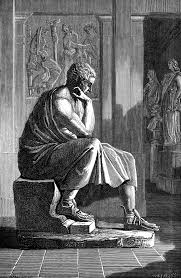
Thus the virtues arise in us neither by nature nor against nature. Rather we are by nature able to acquire them, and reach our complete perfection through habit. p.673
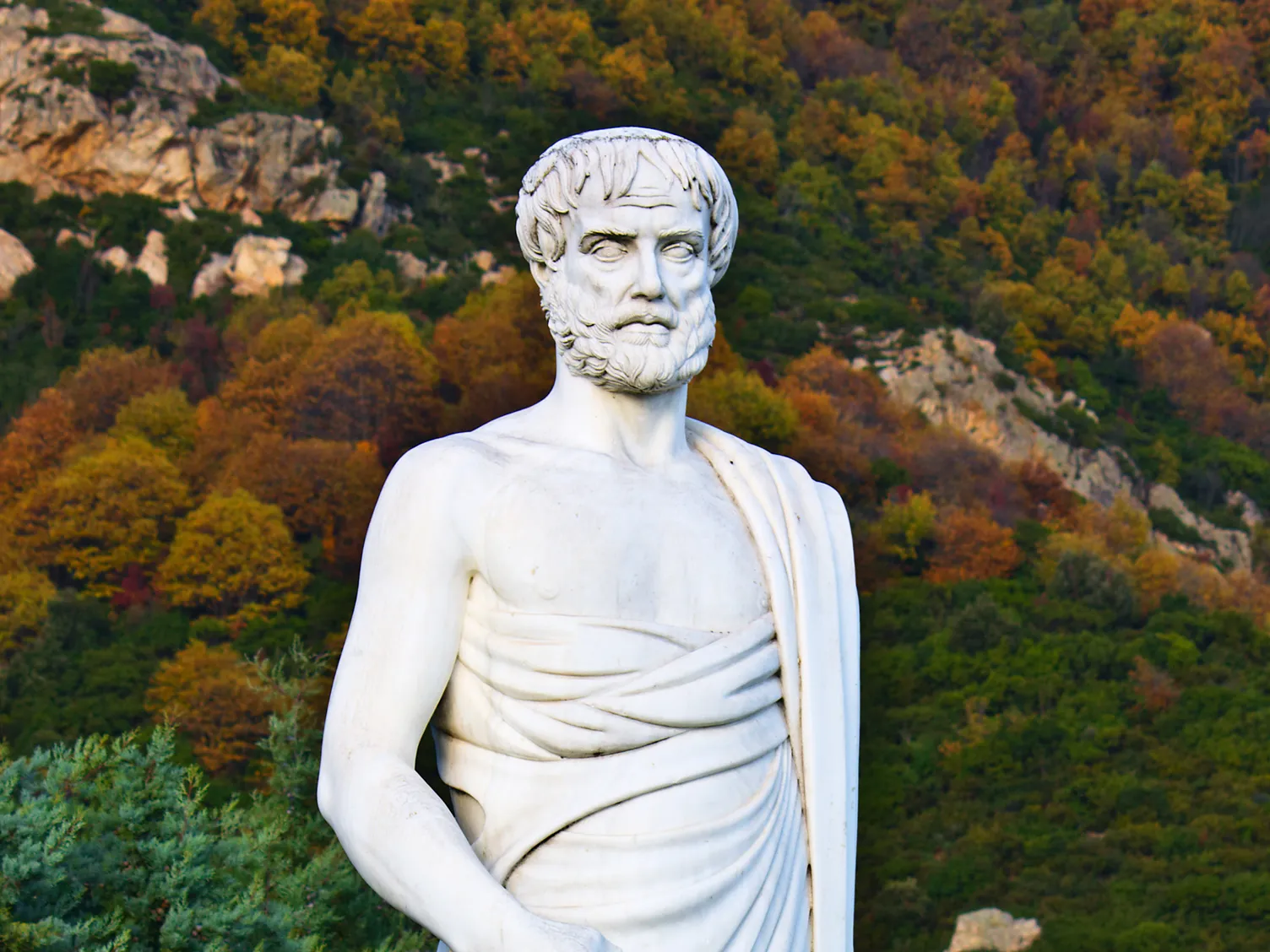
Telle est donc la règle la meilleure, et tel est le critère le plus beau pour les biens extérieurs : qu’on soit empêché le moins possible par eux de servir et de contempler Dieu. This, therefore, is the end and the best limit regarding external things, so that the soul may be hindered as little as possible from the contemplation of God and His worship. Hic igitur finis sit et optimus terminus ad res externas respicienti, ut quam minime impediatur anima a contemplatione dei et cultu eius
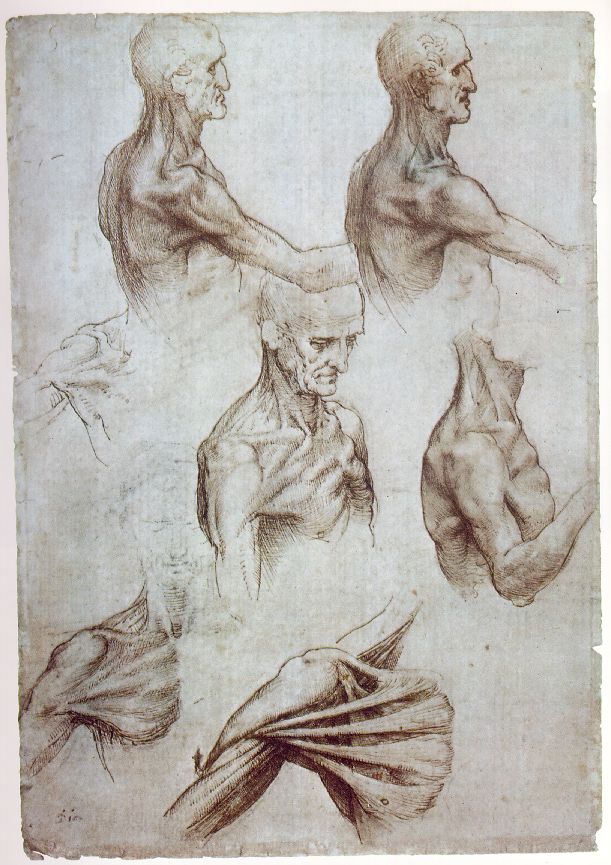
Nature is a source or cause of being moved and of being at rest in that to which it belongs primarily.
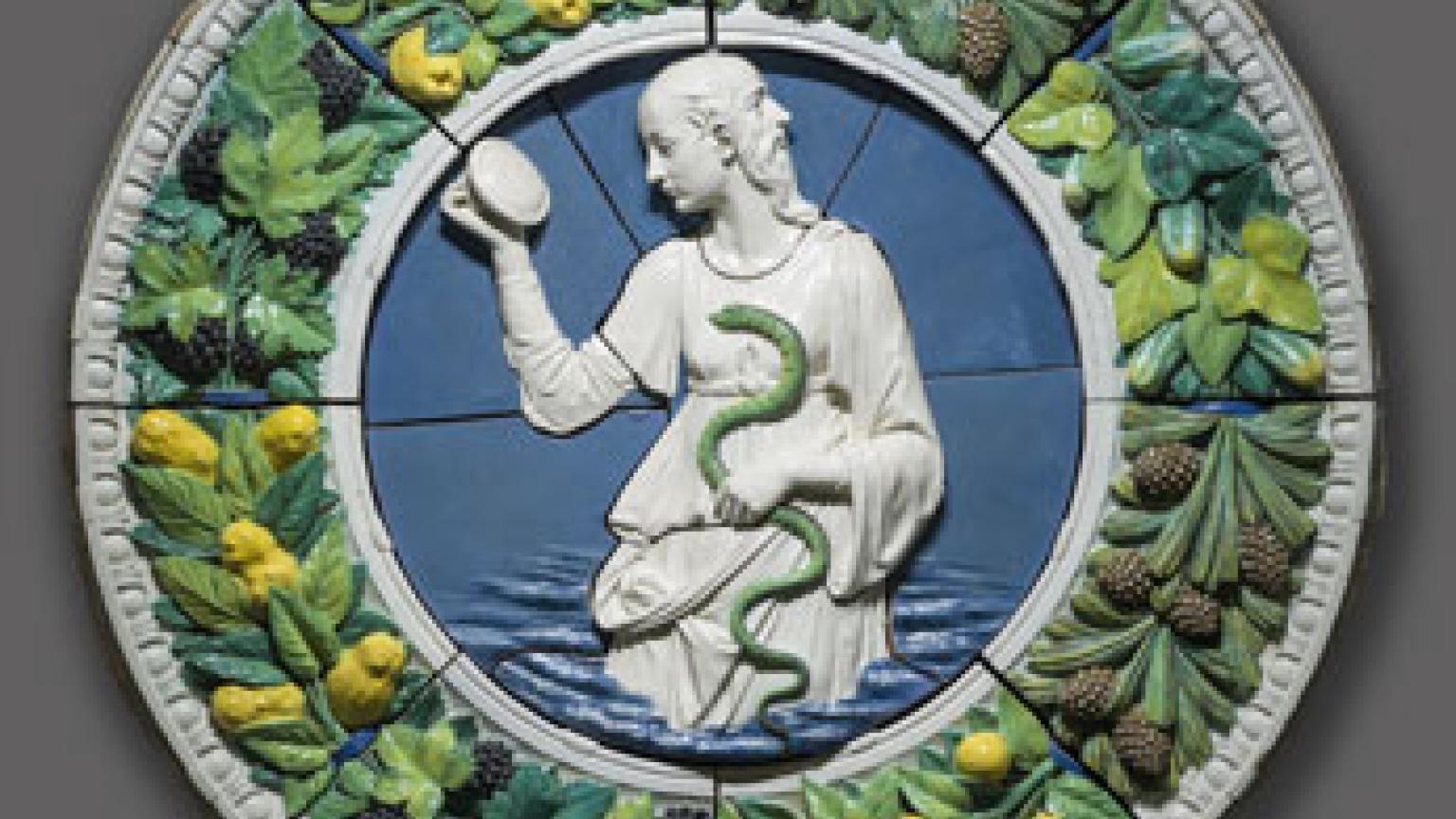
We suppose ourselves to possess unqualified scientific knowledge of a thing, as opposed to knowing it in the accidental way of the sophist, when we think that we know the cause on which the fact depends, as teh cause of that fact and of no other, and, further, that the fact could not be other than is is.