Read more about the article Machiavelli, Discourses on Livy
discoursesonlivy

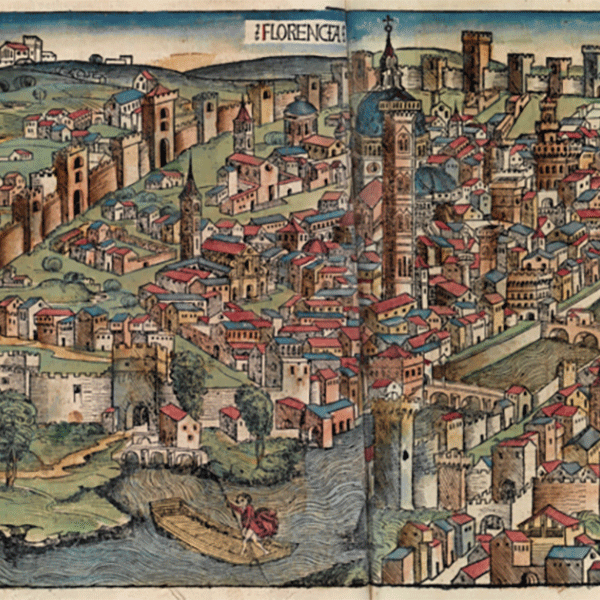
Machiavelli, Discourses on Livy

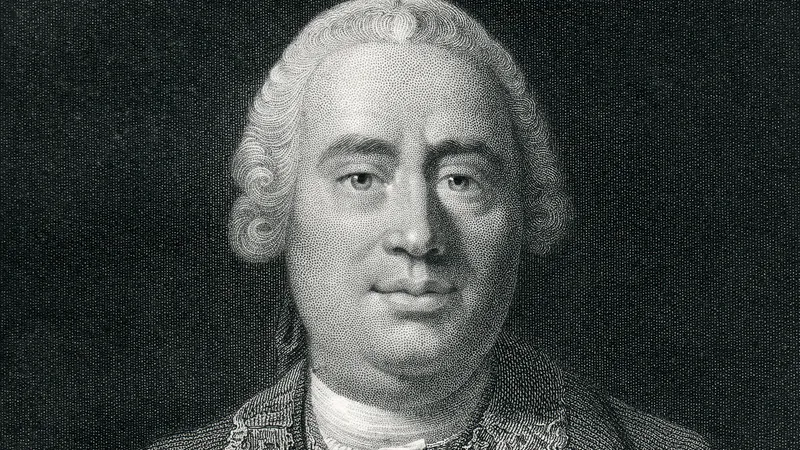
I then only remained to assign its place to the popular element, and the Roman nobles growing insolent from causes which shall be noticed hereafter, the commons against them, when, not to lose the whole of their power, they were forced to concede a share to the people; while with the share which remained, the senate and consults retained so much authority that they still held their own place in the republic. In this way the tribunes of the people came to be created, after whose creation the stability of the State was much augmented, since each the three forms of government had now is due influence allowed it. And such was the good fortune of Rome that although her government passed from the kings to the nobles, and from these to the people, by the steps and for the reasons noticed above, still the entire authority of the kingly element was not sacrificed to strengthen the authority of the nobles, nor were the nobles divested of their authority to bestow it on the commons; but three, blending together, made up a perfect State; which perfection, as shall be fully shown in the next two Chapters, was reached through the dissensions of the commons and the senate.

Continue ReadingMachiavelli, Discourses on Livy
Read more about the article St. Thomas Aquinas, On Kingship
Stthomasaquinas

St. Thomas Aquinas, On Kingship

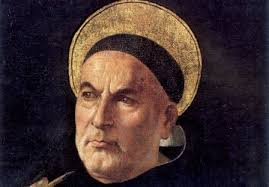
Now the end which befits a multitude of free men is different from that which befits a multitude of slaves, for the free man is one who exists for his own sake, while the slave, as such, exists for the sake of another. If, therefore, a multitude of free men is ordered by the ruler towards the common good of the multitude, that rulership will be right and just, as is suitable to free men. If, on the other hand, a rulership aims, not at the common good of the multitude, but at the private good of the ruler, it will be an unjust and perverted rulership.

Continue ReadingSt. Thomas Aquinas, On Kingship
Read more about the article Montesquieu, The Spirit of the Laws
250px Charles Montesquieu

Montesquieu, The Spirit of the Laws

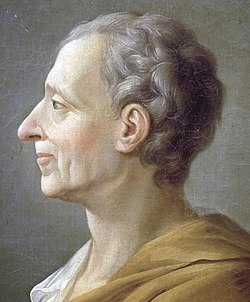
1. For the better understanding of the first four books of this work, it is to be observed that what I distinguish by the name of virtue, in a republic, is the love of one's country, that is, the love of equality. it is not a moral, nor a Christian, but a political virtue; and it is the spring which sets the republican government in motion, as honour is the spring which gives motion to monarchy. Hence it is that I have distinguished the love of one's country, and of equality, by the appellation of political virtue.

Continue ReadingMontesquieu, The Spirit of the Laws
Read more about the article Pierre Bayle, Political Writings
bayle stadsarchief 872x1280

Pierre Bayle, Political Writings

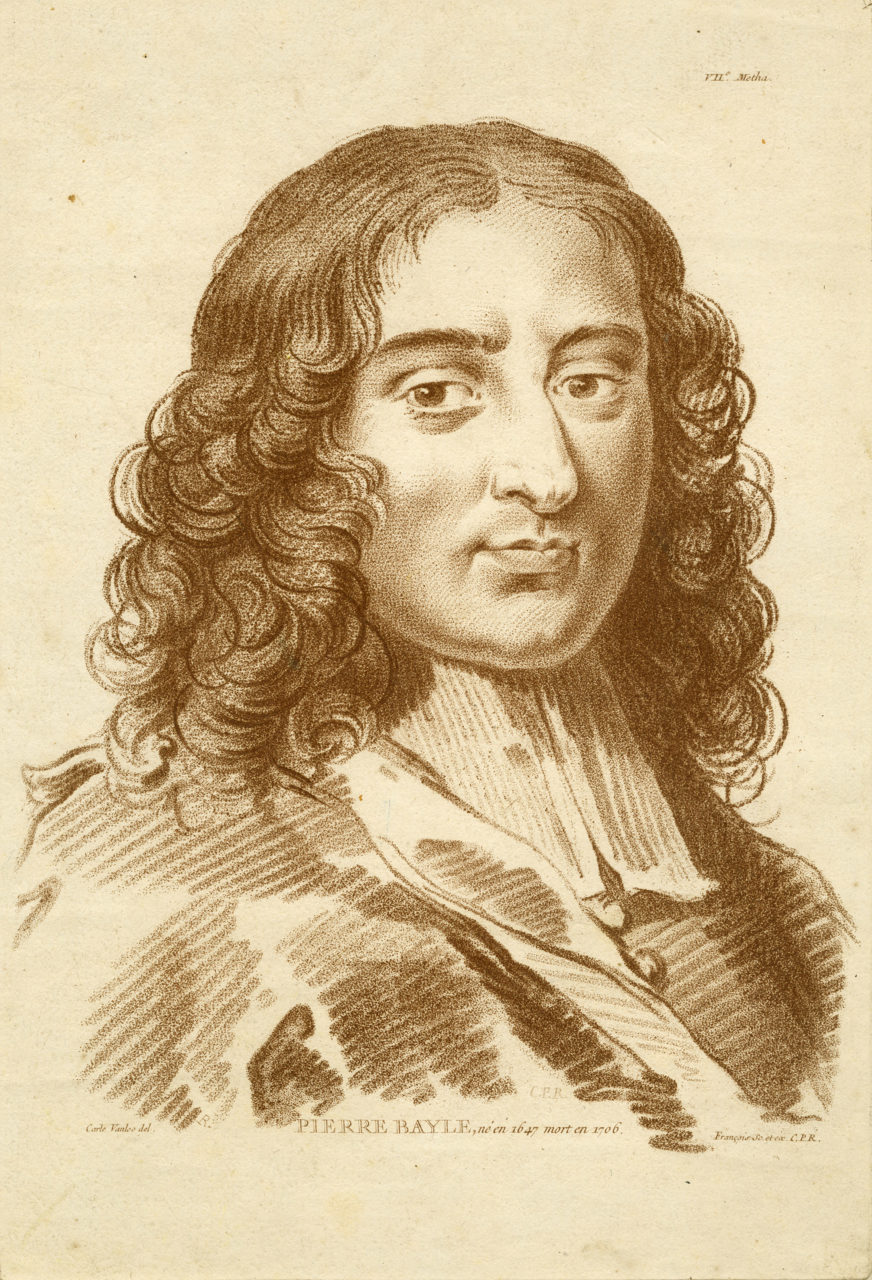
He spoke out very forthrightly against those who maintained that the authority of monarchs was unlimited. He maintained that monarchs cannot impose taxes without the consent of the people, and that they are more obliged than their subject to observe the laws of God and those of nature; and that the covenants which they make impose the same obligations on themselves as on their subjects. p.23-24

Continue ReadingPierre Bayle, Political Writings