Read more about the article Thomas Paine Common Sense
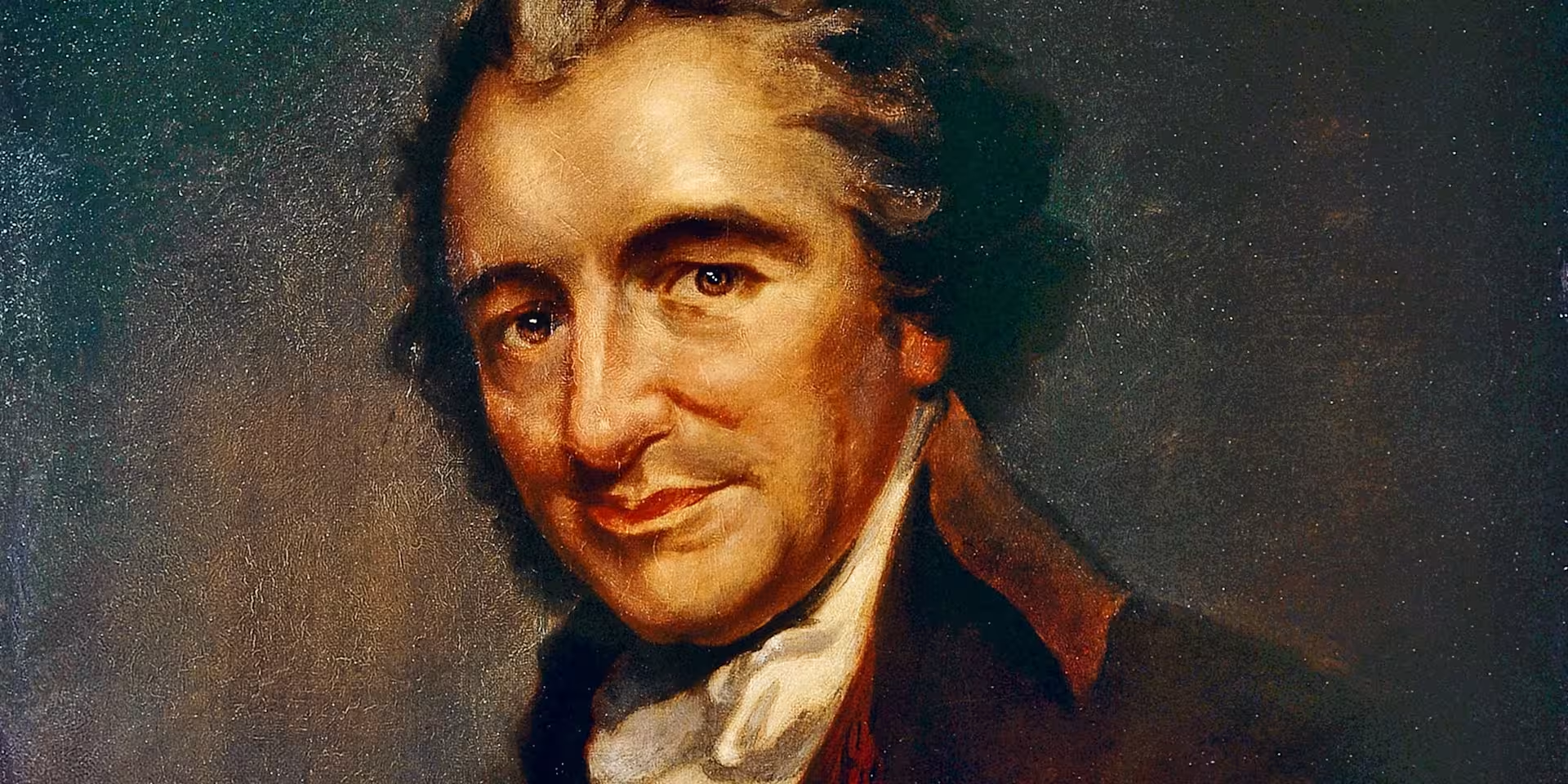
portrait of thomas paine

Thomas Paine Common Sense

For as in absolute governments the king is law, so in free countries the law ought to be king; and there ought to be no other. But lest any ill use should afterward arise, let the crown at the conclusion of the ceremony be demolished and scattered among the people, whose right it is. p.32

Continue ReadingThomas Paine Common Sense
Read more about the article The Federalist Papers and the Letters of Brutus
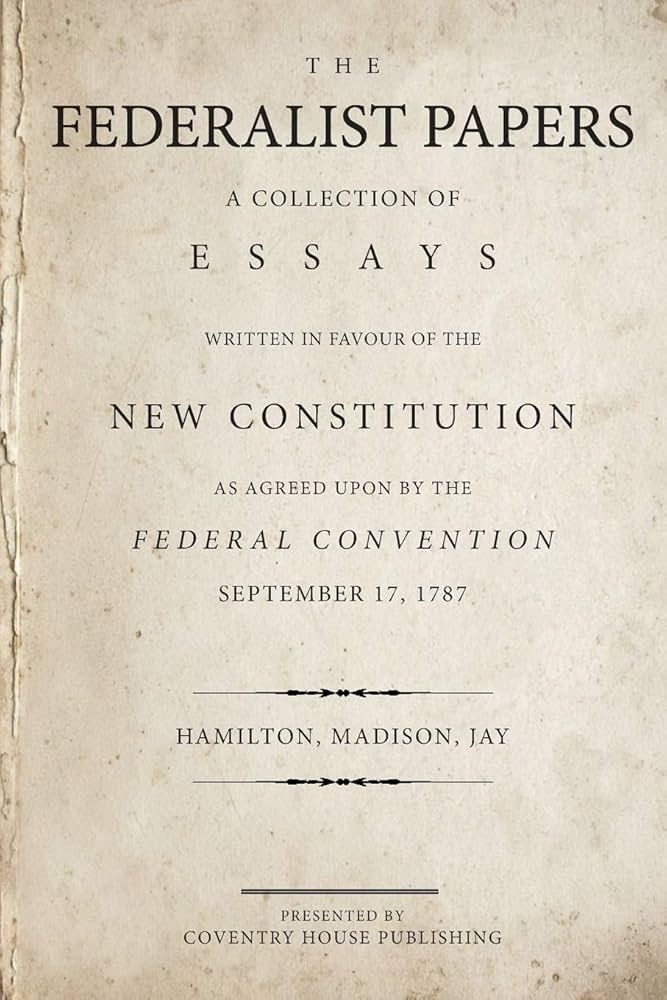
federalist papers

The Federalist Papers and the Letters of Brutus

The science of politics, however, like most other sciences, has received great improvement. The efficacy of various principles is now well understood, which were either not known at all, or imperfectly known to the ancients. The regular distribution of power into distinct departments; the introduction of legislative balances and checks; the institution of courts composed of judges holding their offices during good behavior; the representation of the people in the legislature by deputies of their own election: these are wholly new discoveries, or have made their principal progress towards perfection in modern times. They are means, and powerful means, by which the excellences of republican government may be retained and its imperfections lessened or avoided.

Continue ReadingThe Federalist Papers and the Letters of Brutus
Read more about the article Hobbes Leviathan
leviathan

Hobbes Leviathan

Nature (the Art whereby God hath made and governes the World) is by the Art of man, as in many other things, so in this also imitated, that it can make an Artificial Animal. For seeing life is but a motion of Limbs, the beginning whereof is in some principall part within, why may we not say, that all Automata (Engines that move themselves by springs and wheeles as doth a watch) have an artificiall life? For what is the Heart, but a Spring; and the Nerves, but so many Strings; and the Joynts, but so many Wheeles, giving motion to the whole Body, such as was intended by the Artificer? Art goes yet further, imitating that Rationall and most excellent worke of Nature, Man. For by Art is created that great Leviathan called a Common-wealth, or State, (in latine Civitas) which is but an Artificiall Man; though of greater stature and strength than the Naturall, for whose protection and defence it was intended; and in which, the Soveraignty is an Artificiall Soul, as giving life and motion to the whole body.... p.9

Continue ReadingHobbes Leviathan
Read more about the article Hobbes De Cive
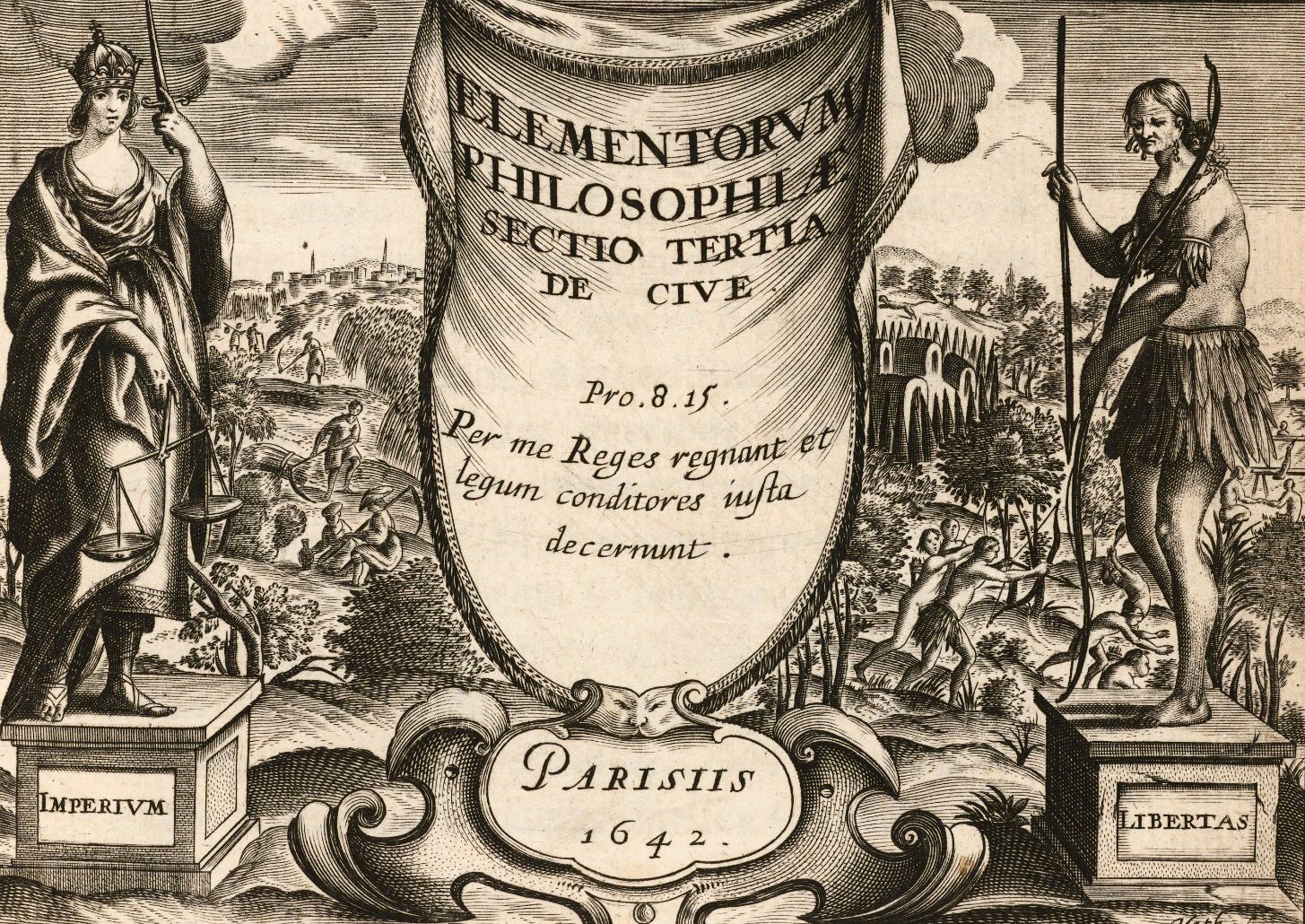
de cive frontispiece detail 2

Hobbes De Cive

I. The faculties of Humane nature may be reduc'd unto four kinds; Bodily strength, Experience, Reason, Passion. Taking the beginning of this following Doctrine from these, we will declare in the first place what manner of inclinations men who are endued with these faculties bare towards each other, and whether, and by what faculty, they are born apt for Society, and so preserve themselves against mutuall violence; then proceeding, we will shew what advice was necessary to be taken for this businesse, and what are the conditions of Society, or of Humane Peace; that is to say, (changing the words onely) what are the fundamentall Lawes of Nature.

Continue ReadingHobbes De Cive
Read more about the article Machiavelli, The Prince
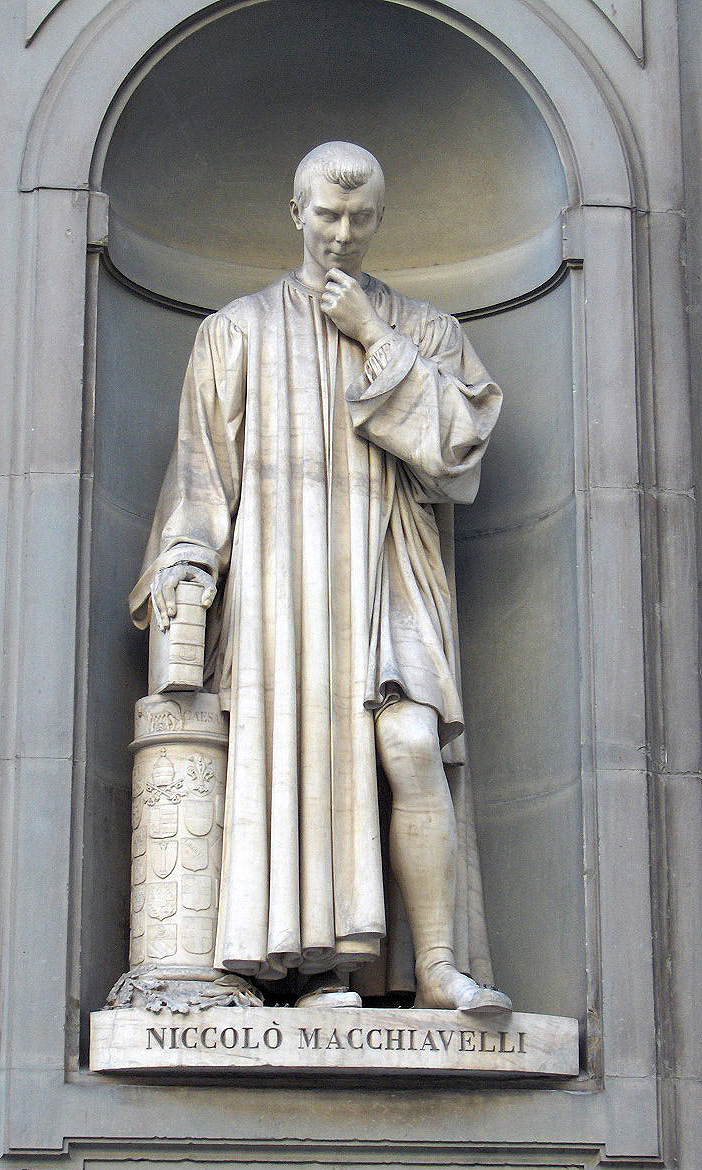
Macchiavelli01

Machiavelli, The Prince

Nor do I want it to be thought presumption if a man from a low and mean state dares to discuss and give rules for the governments of princes. For just as those who sketch landscapes place themselves down int he plain to consider the nature of mountains and high places and to consider the nature of low places place themselves high atop mountains, similarly, to know well the nature of peoples one needs to be prince, and to know well the nature of princes one needs to be of the people.

Continue ReadingMachiavelli, The Prince
Read more about the article Plato The Republic
plato

Plato The Republic

The next step, apparently, is for us to try to discover, and point out, what the failings are in cities nowadays, which stop them being run in this way, and what is the minimum change which could help a city arrive at political arrangements of this kind. Ideally a single change. Failing that, two. And failing that, as few as possible in number and as small as possible in impact. 472b p.175

Continue ReadingPlato The Republic
Read more about the article Kant What Is Enlightenment?
Immanuel Kant for Pianko 5 15

Kant What Is Enlightenment?

1. Enlightenment is man's emergence from his self-imposed immaturity. Immaturity is the inability to use one's understanding without guidance from another. This immaturity is self-imposed when its cause lies not in lack of understanding, but in lack of resolve and course to use it without buidance from another. Sapere Aude! Have courage to use your own understanding!" -- that is the motto of enlightenment.

Continue ReadingKant What Is Enlightenment?