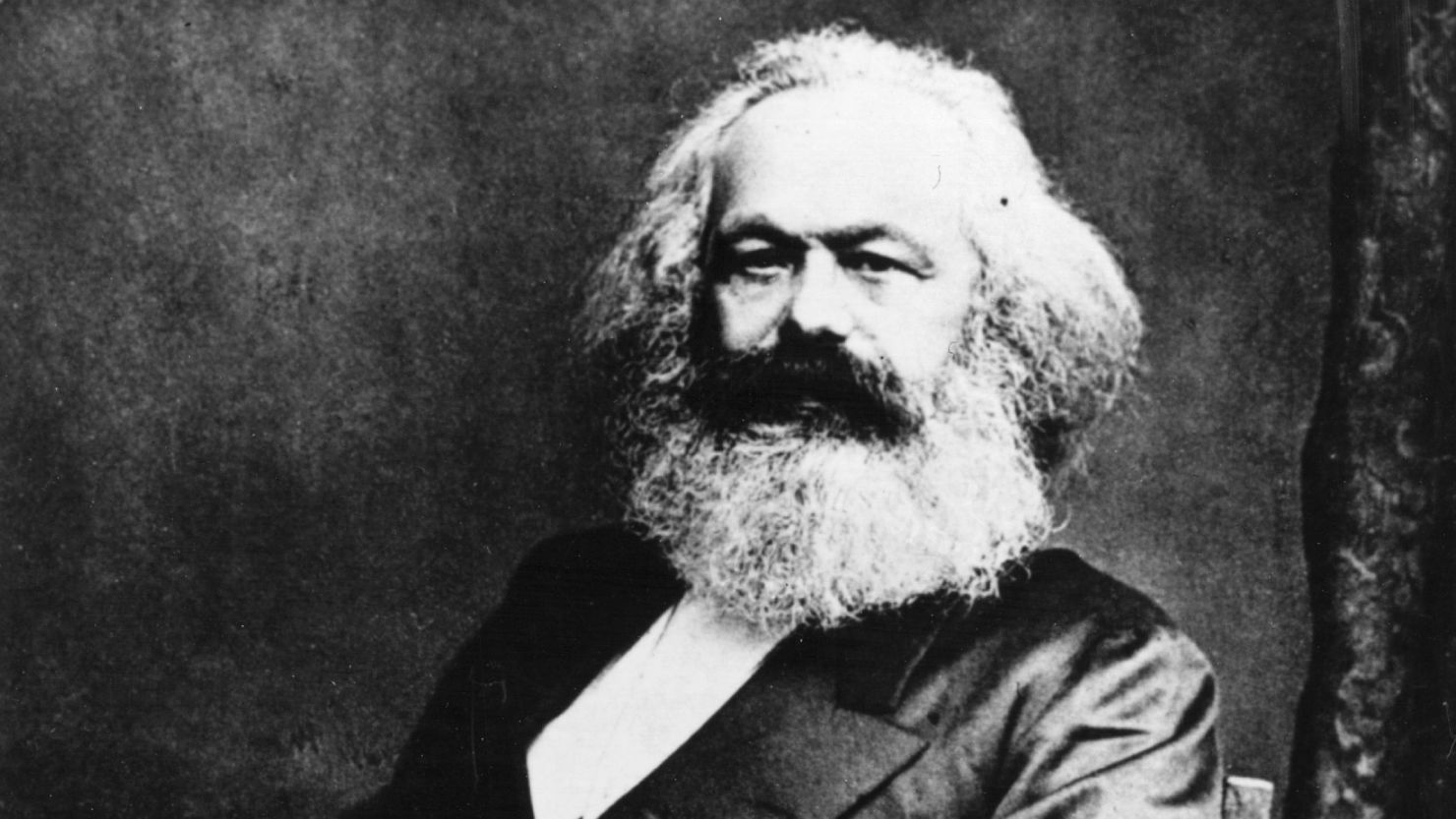
marx
Marx Communist Manifesto
The proletarians have nothing to lose but their chains. They have a world to win. Working men of all countries, Unite!

The proletarians have nothing to lose but their chains. They have a world to win. Working men of all countries, Unite!
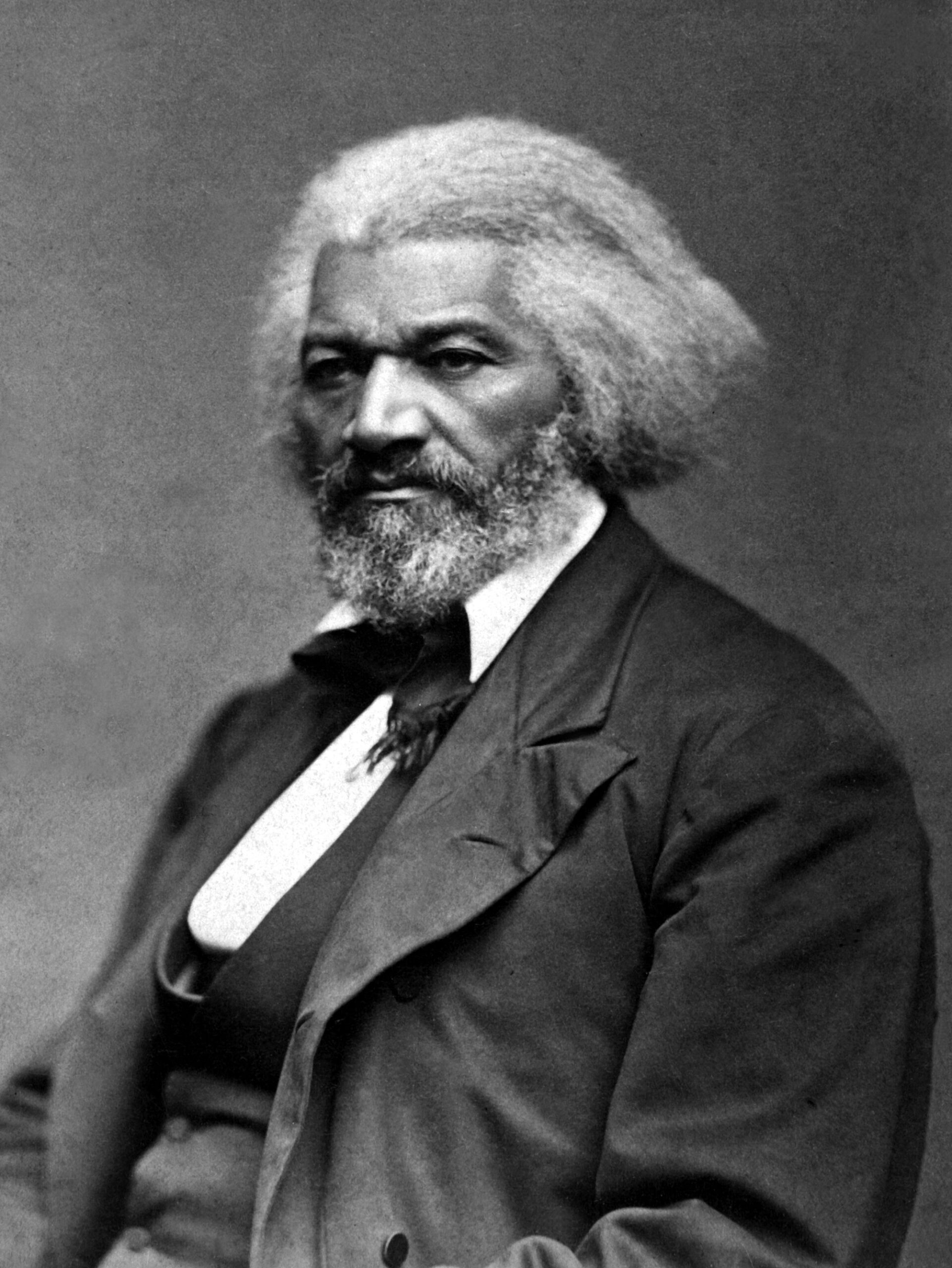
But just as he was leaning over to get the stick, I seized him with both hands by the collar, and brought him by a sudden snatch to the ground.
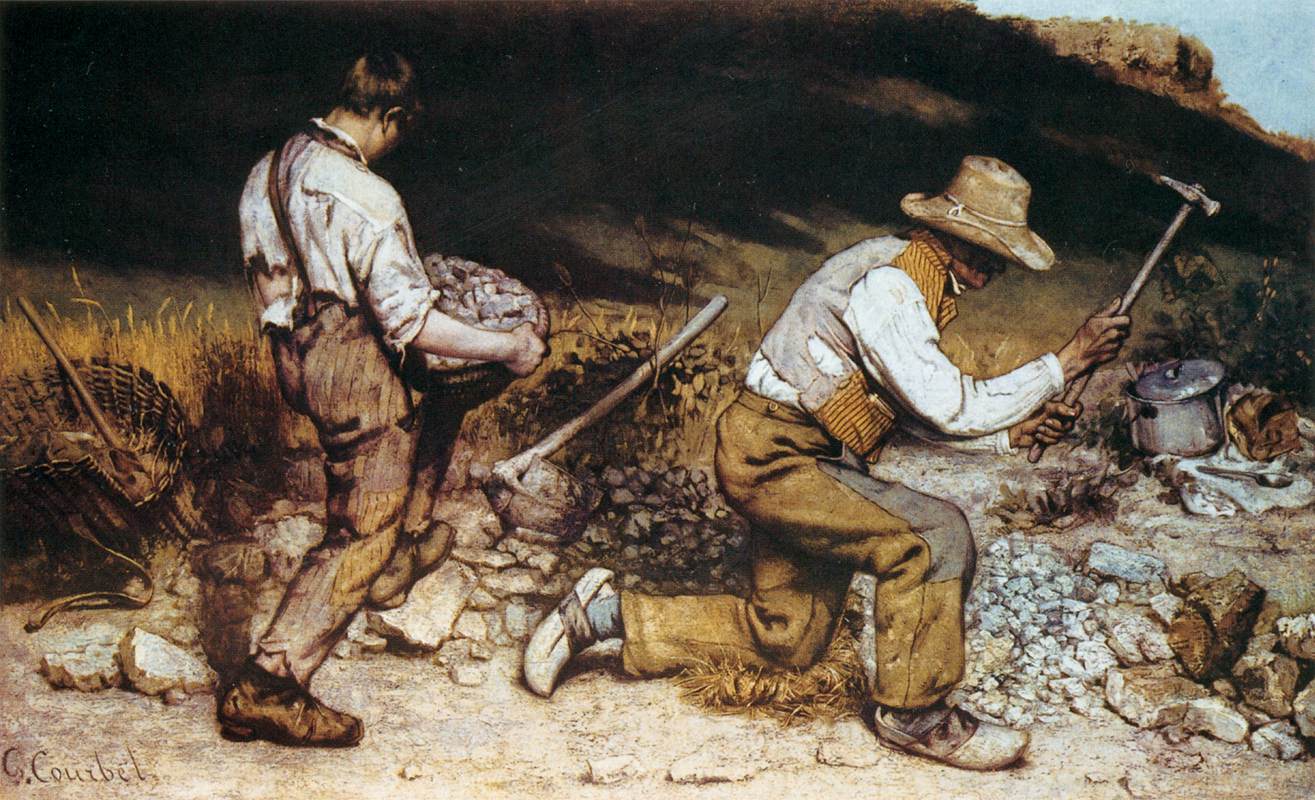
The basis of representation, its essence, turns out to be 'something wholly superfluous, etc.' for representation. With one and the same breath Hegel puts forward absolutely contradictory statements: representation is grounded on trust, on the confidence placed by one man in another, and, at the same time, it is not grounded on trust. It is rather a merely formal game. The object of representation is not the particular interest but man and his citizenship of the state, the universal interest. On the other hand, the particular interest is the material of representation and the spirit of this interest is the spirit of the representative. p.197
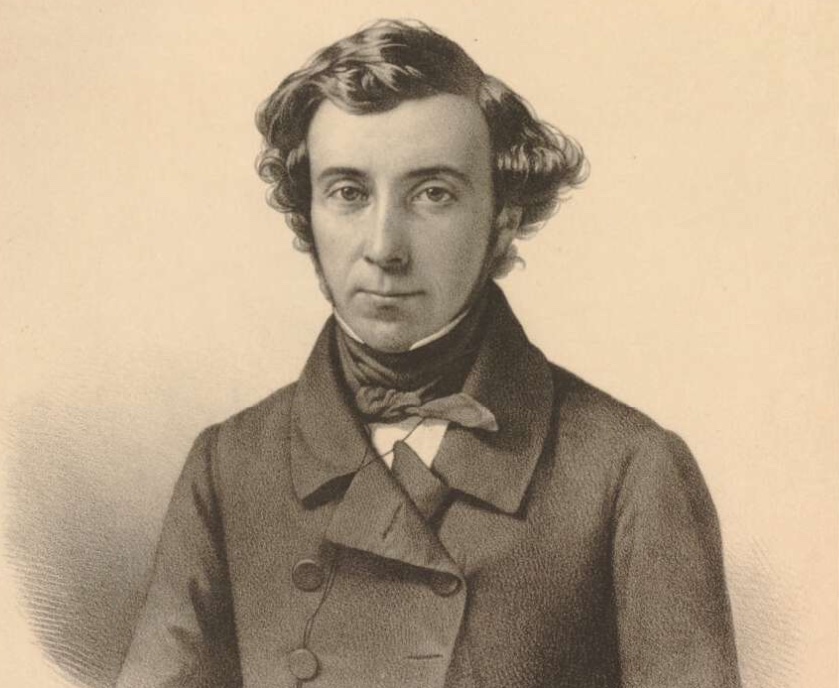
The most natural privilege of man, next to the right of acting for himself, is that of combining his exertions with those of his fellow-creatures, and of acting in common with them. I am therefore led to conclude that the right of association is almost as inalienable as the right of personal liberty. No legislator can attack it without impairing the very foundations of society.
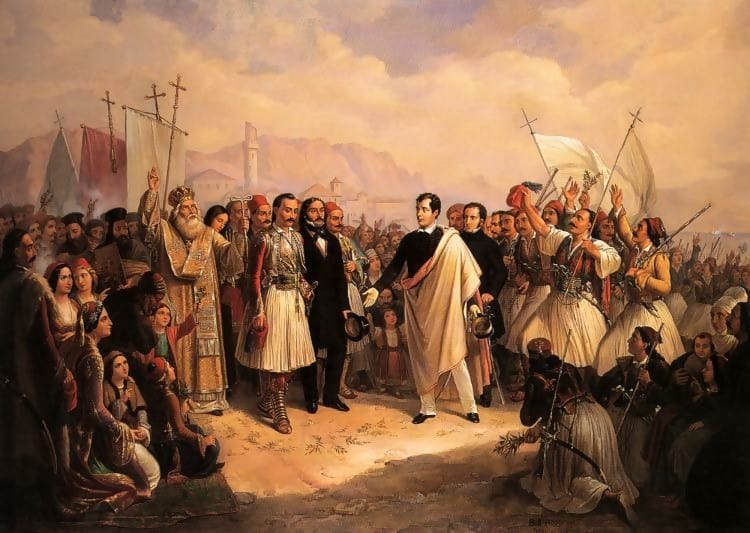
A treatise in philosophy is usually not expected to be constructed on such a pattern, perhaps because people suppose that a philosophical product is a Penelope’s web which must be started anew every day. This treatise differs from the ordinary compendium mainly in its method of procedure. It must be under-stood at the outset that the philosophic way of advancing from one matter to another, the general speculative method, which is the only kind of scientific proof available in philosophy, is essentially different from every other. Only a clear insight into the necessity for this difference can snatch philosophy out of the ignominious condition into which it has fallen in our day.
Philosophy thus may definitely presuppose a familiarity with its objects indeed it must do so as well as an interest in them from the outset, if only because chronologically speaking consciousness produces for itself representations of objects prior to generating concepts of them. What is more, only by passing through the process of representing and by turning towards it, does thinking spirit progress to knowing by way of thinking [denkendes Erkennen] and to comprehending [Begreif/m].
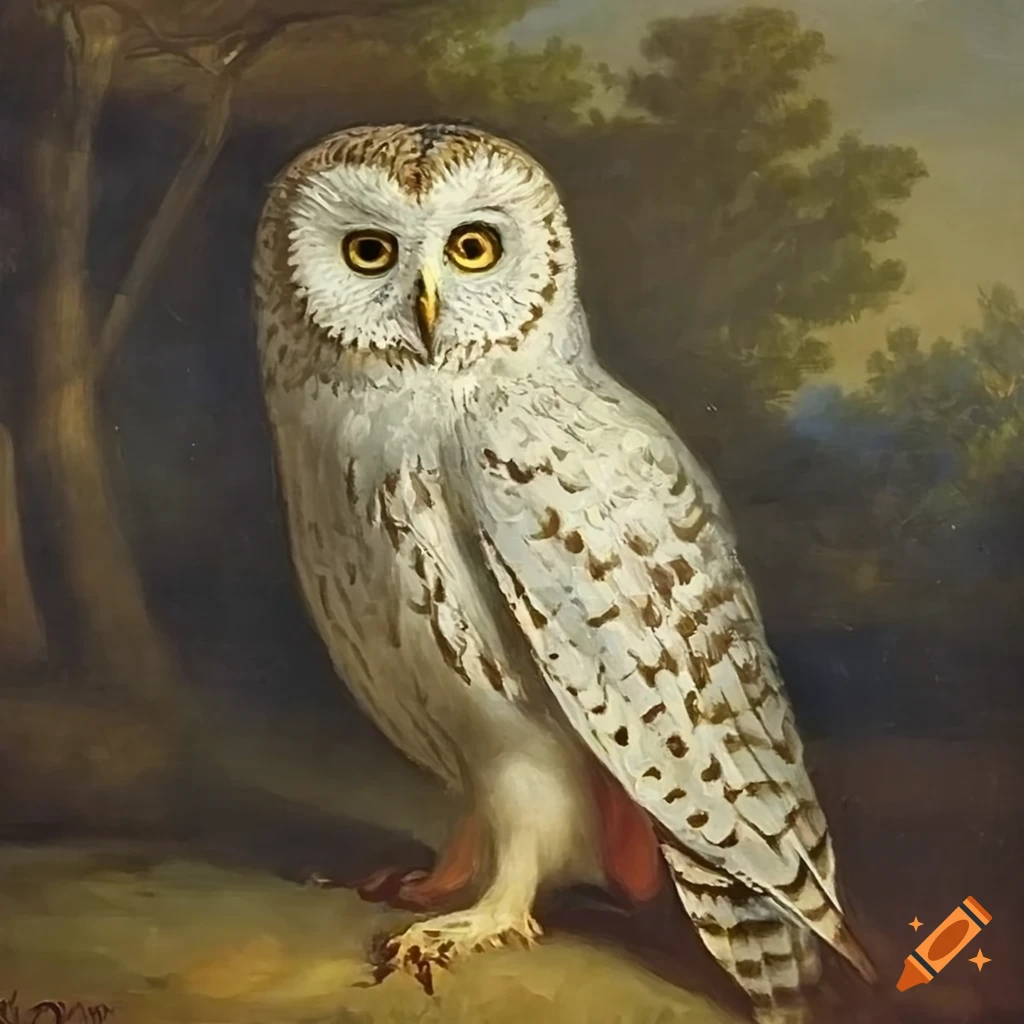
§ 1814 By virtue of the nature of the method just indicated, the science exhibits itself as a circle returning upon itself, the end being wound back into the beginning, the simple ground, by the mediation; this circle is moreover a circle of circles, for each individual member as ensouled by the method is reflected into itself, so that in returning into the beginning it is at the same time the beginning of a new member. Links of this chain are the individual sciences [of logic, nature and spirit], each of which has an antecedent and a successor −− or, expressed more accurately, has only the antecedent and indicates its successor in its conclusion.
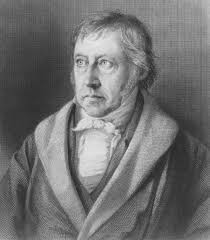
Φ 89. The experience which consciousness has concerning itself can, by its essential principle, embrace nothing less than the entire system of consciousness, the whole realm of the truth of mind, and in such wise that the moments of truth are set forth in the specific and peculiar character they here possess — i.e. not as abstract pure moments, but as they are for consciousness, or as consciousness itself appears in its relation to them, and in virtue of which they are moments of the whole, are embodiments or modes of consciousness. In pressing forward to its true form of existence, consciousness will come to a point at which it lays aside its semblance of being hampered with what is foreign to it, with what is only for it and exists as an other; it will reach a position where appearance becomes identified with essence, where, in consequence, its exposition coincides with just this very point, this very stage of the science proper of mind. And, finally, when it grasps this its own essence, it will connote the nature of absolute knowledge itself.
For a state is not a property (patrimonium), as may be the ground on which its people are settled. It is a society of human beings over whom no one but itself has the right to rule and to dispose. Like the trunk of a tree, it has its own roots, and to graft it on to another state is to do away with its existence as a moral person, and to make of it a thing.
However exalted the application of our concepts, and however far up from sensibility we may abstract them, still they will always be appended to image representations, whose proper function is to make these concepts, which are not otherwise derived from experience, serviceable for experiential use.