Read more about the article Cicero On Duties
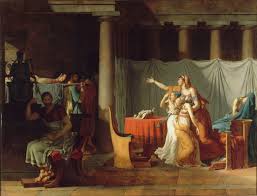
Jacques Louis David's The Lictors Bring to Brutus the Bodies of His Sons

Cicero On Duties

"But when with a rational spirit you have surveyed the whole field, there is no social relation among them all more close and none more dear than that which links each one of us with our country. Parents are dear; children, relatives, friends are dear; but our country has on its own embraced all the affections of all of us together; for which what good man would hesitate to face death, if he could do her a service?" (Cicero, De Officiis 1.57).
Continue ReadingCicero On Duties
Read more about the article Aristotle, The Politics and the Constitution of Athens
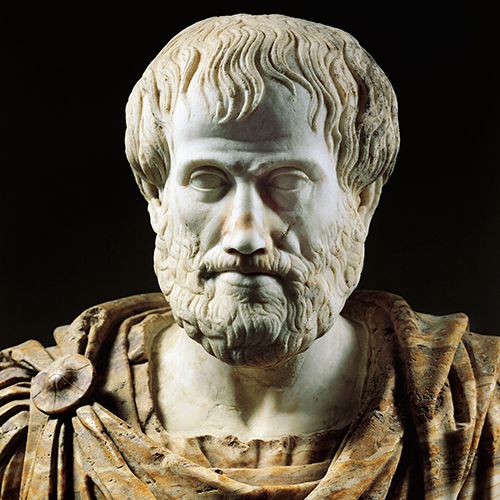
aristotle getty

Aristotle, The Politics and the Constitution of Athens

And therefore, if the earlier forms of society are natural, so is the state, for it is the end of them, and the nature of a thing is its end. For what each thing is when fully developed, we call its nature, whether we are speaking of a man, a horse, or a family. Besides, the final cause and end of a thing is the best, and to be self-sufficing is the end and the best. Hence it is evident that the state is a creation of nature, and that man is by nature a political animal. (1252b30 - 1253a3)

Continue ReadingAristotle, The Politics and the Constitution of Athens
Read more about the article Plato The Republic
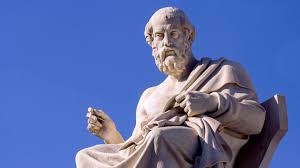
plato

Plato The Republic

The next step, apparently, is for us to try to discover, and point out, what the failings are in cities nowadays, which stop them being run in this way, and what is the minimum change which could help a city arrive at political arrangements of this kind. Ideally a single change. Failing that, two. And failing that, as few as possible in number and as small as possible in impact. 472b p.175

Continue ReadingPlato The Republic
Read more about the article Plato’s Laws
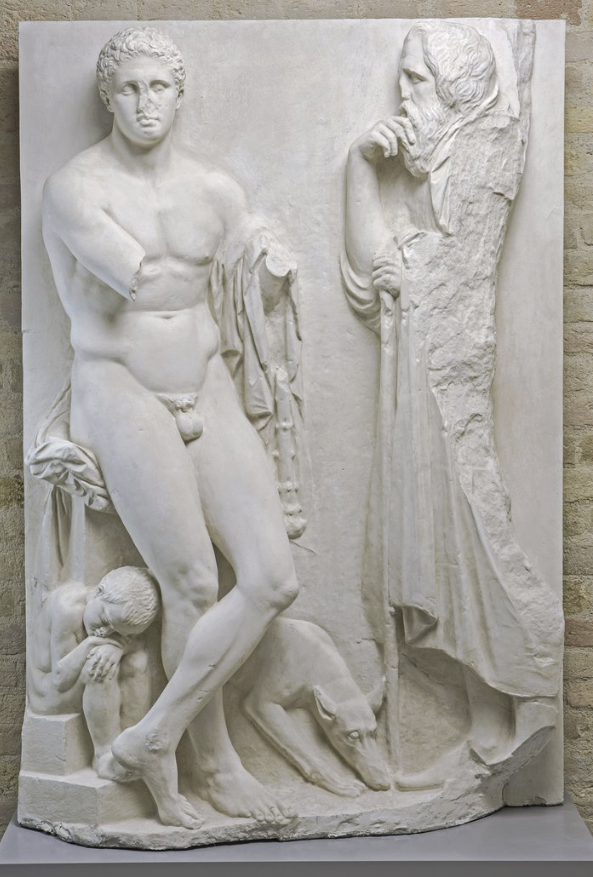
Grave Stele of Ilissos (or Grave Stele of a Young Hunter). c. 340 BCE. Pentelic marble, 168 x 110 cm. Inventory no. 869. National Archaeological Museum, Athens.

Plato’s Laws

Athenian Stranger. Tell me, Strangers, is a God or some man supposed to be the author of your laws?

Continue ReadingPlato’s Laws
Read more about the article Plato, Euthyphro
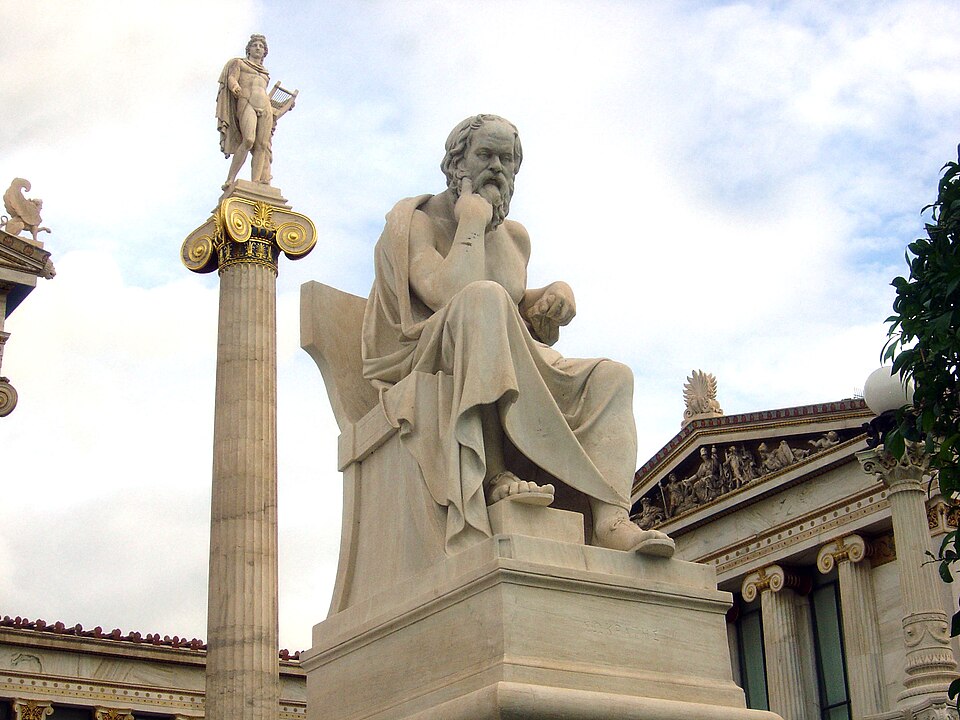
Socrates by Leonidas Drosis, Athens Academy of Athens

Plato, Euthyphro

Euthyphro: I don't know him, Socrates. What charge does he bring against you? Socrates: What charge? A not ignoble one I think, for it is no small thing for a young man to have knowledge of such an important subject. He says he knows how our young men are corrupted and who corrupts them.

Continue ReadingPlato, Euthyphro
Read more about the article Plato, Gorgias
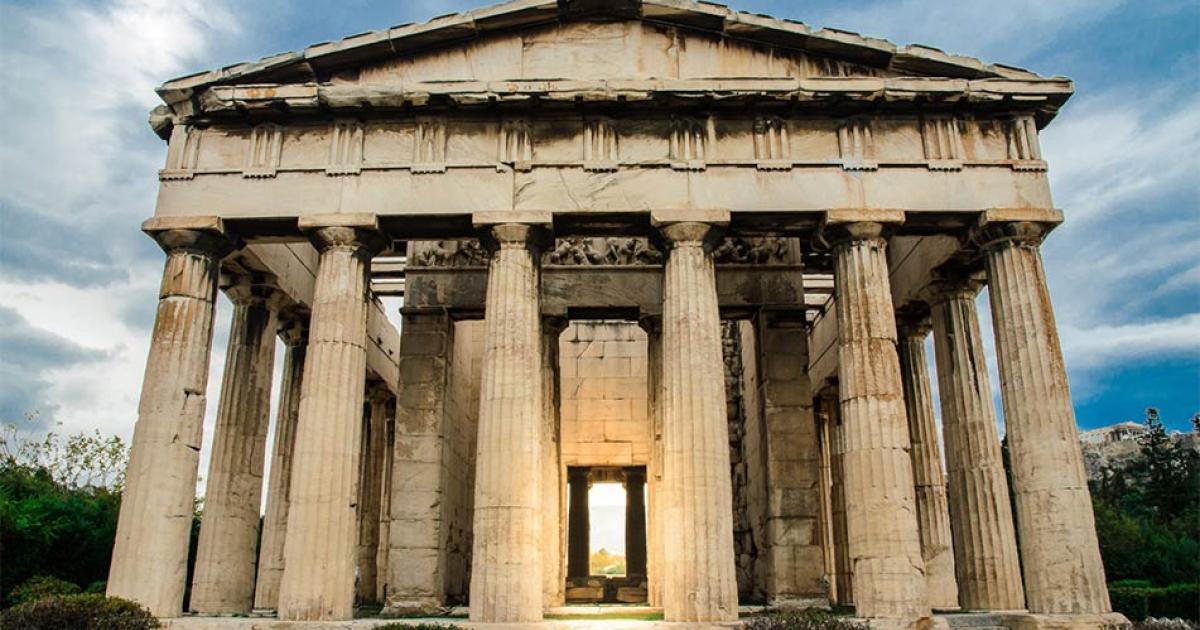
Athenian Agora

Plato, Gorgias

Polus: Very well, I shall. Tell me, Socrates, since you think Gorgias is confused about oratory, what do you say it is? Socrates: Are you asking me what craft I say it is? Polus: Yes, I am. Socrates: To tell you the truth, Polus, I dont think it's a craft at all.

Continue ReadingPlato, Gorgias