Read more about the article Aristotle, Etique a Eudeme
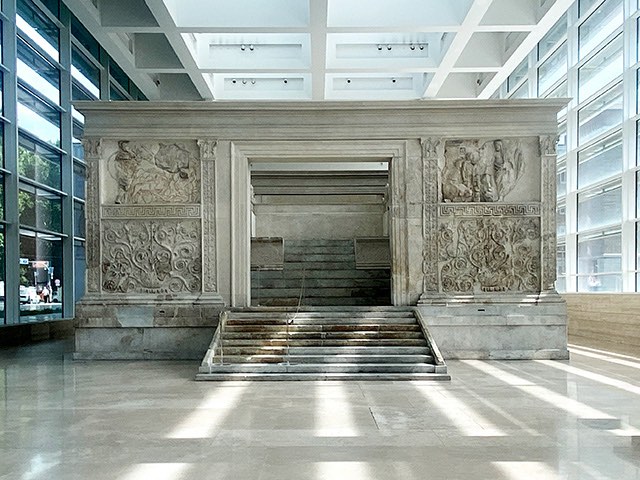
Hayez, Francesco. Aristotele. 1811. Oil on canvas. Gallerie dell’Accademia, Venice.

Aristotle, Etique a Eudeme

Telle est donc la règle la meilleure, et tel est le critère le plus beau pour les biens extérieurs : qu’on soit empêché le moins possible par eux de servir et de contempler Dieu. This, therefore, is the end and the best limit regarding external things, so that the soul may be hindered as little as possible from the contemplation of God and His worship. Hic igitur finis sit et optimus terminus ad res externas respicienti, ut quam minime impediatur anima a contemplatione dei et cultu eius

Continue ReadingAristotle, Etique a Eudeme
Read more about the article Aristotle Logic the Organon
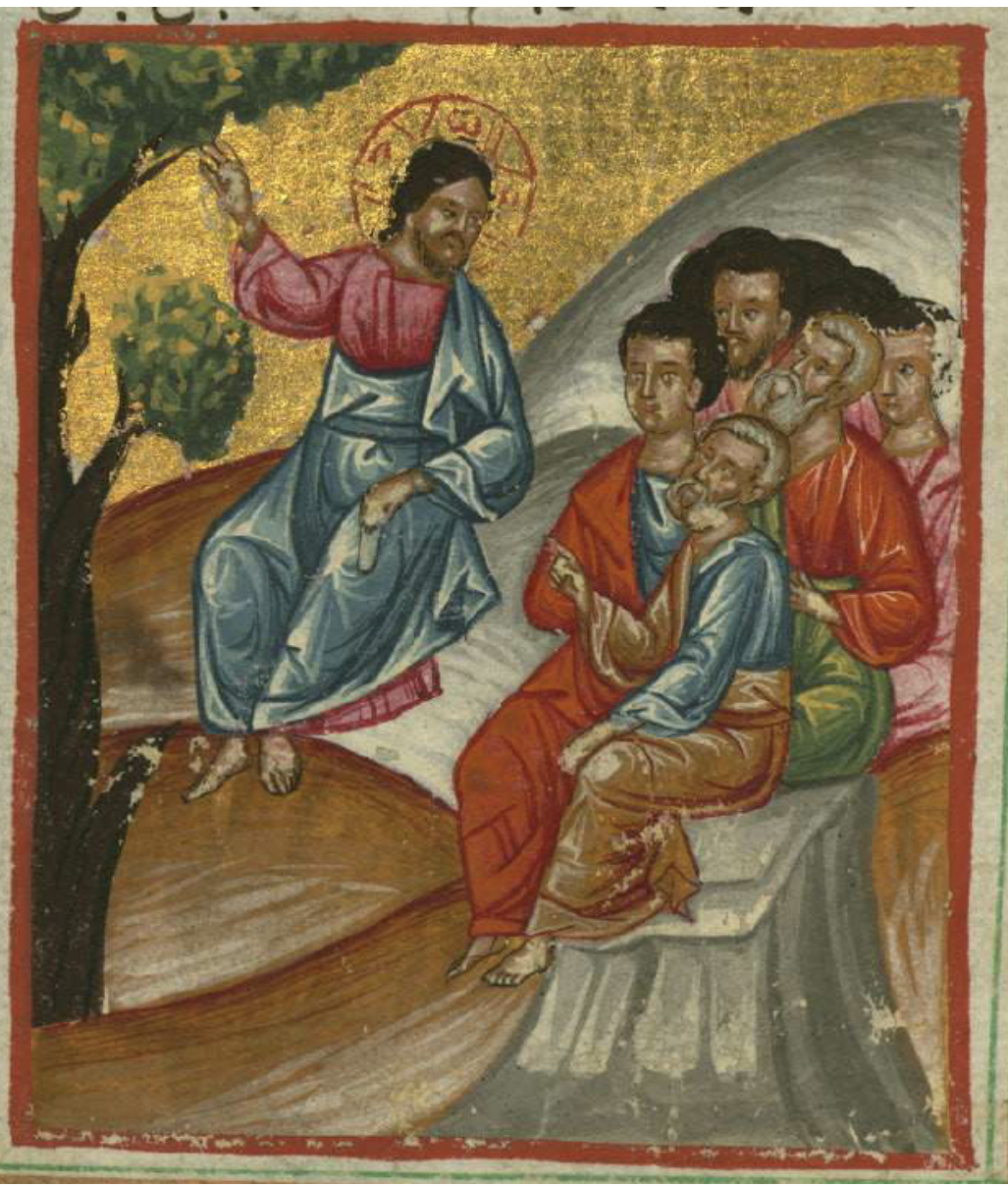
Della Robbia, Luca. Dialectic. ca. 1470–1490. Glazed terracotta. Victoria and Albert Museum, London.

Aristotle Logic the Organon

We suppose ourselves to possess unqualified scientific knowledge of a thing, as opposed to knowing it in the accidental way of the sophist, when we think that we know the cause on which the fact depends, as teh cause of that fact and of no other, and, further, that the fact could not be other than is is.

Continue ReadingAristotle Logic the Organon
Read more about the article Plato’s Laws
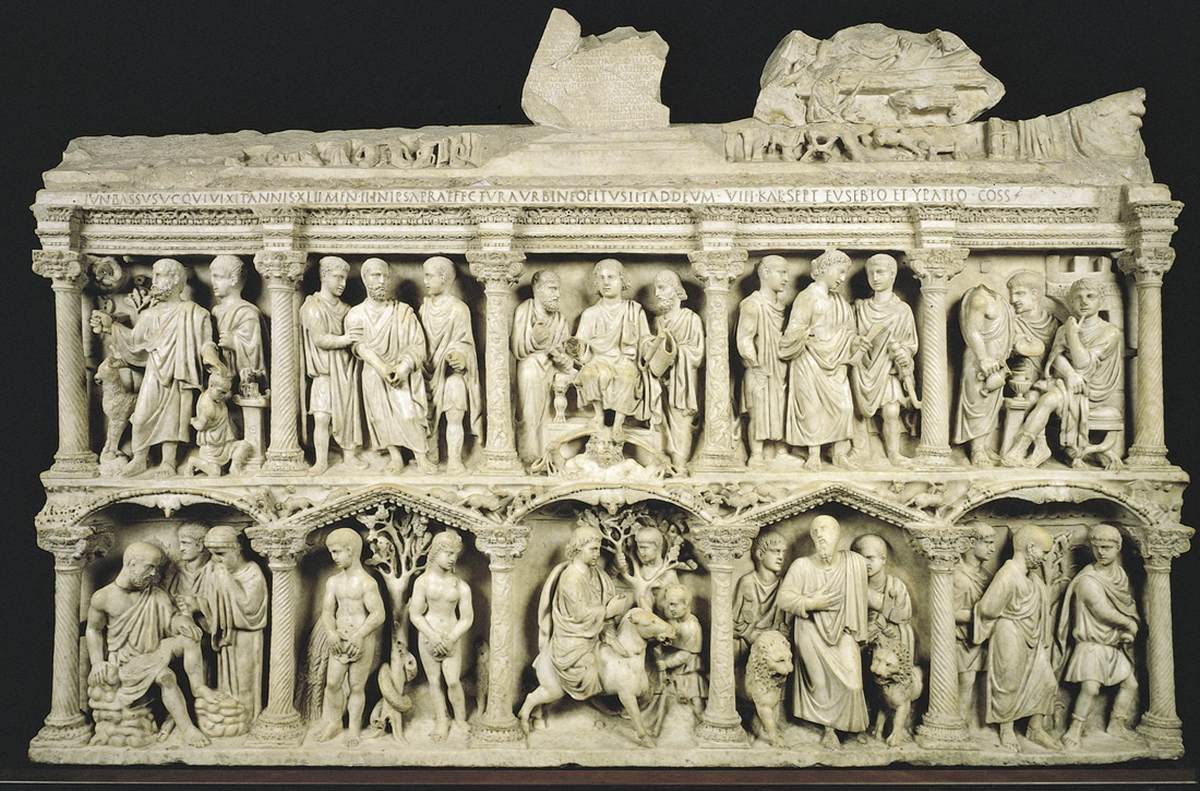
Grave Stele of Ilissos (or Grave Stele of a Young Hunter). c. 340 BCE. Pentelic marble, 168 x 110 cm. Inventory no. 869. National Archaeological Museum, Athens.

Plato’s Laws

Athenian Stranger. Tell me, Strangers, is a God or some man supposed to be the author of your laws?

Continue ReadingPlato’s Laws
Read more about the article Plato, Timaeus
Lambda Diagram of the World Soul from Plato's Timaeus. ca. 1175–1200. Ink and tempera on vellum. Walters Art Museum, Baltimore.

Plato, Timaeus

We may now say that our discourse about the nature of the universe has an end. The world has received animals, mortal and immortal, and is fulfilled with them, and has become a visible animal containing the visible--the sensible God who is the image of the intellectual, the greatest, best, fairest, most perfect--the one only begotten heaven.

Continue ReadingPlato, Timaeus
Read more about the article Euripides Phoenician Women
Screenshot 2026 05 10 at 8.19.52 PM

Euripides Phoenician Women

"Equality is what is natural for mankind. The more and the less are always at enmity with one another and begin the day of hatred. It is Equality that established for mankind measures and divisions of weights and defined number. The sightless eye of night and the light of the sun walk the year’s circle on equal terms, and neither of them is envious when it is defeated." (Lines 538–545)

Continue ReadingEuripides Phoenician Women
Read more about the article Plato The Republic
plato

Plato The Republic

The next step, apparently, is for us to try to discover, and point out, what the failings are in cities nowadays, which stop them being run in this way, and what is the minimum change which could help a city arrive at political arrangements of this kind. Ideally a single change. Failing that, two. And failing that, as few as possible in number and as small as possible in impact. 472b p.175

Continue ReadingPlato The Republic