Read more about the article Hobbes De Cive
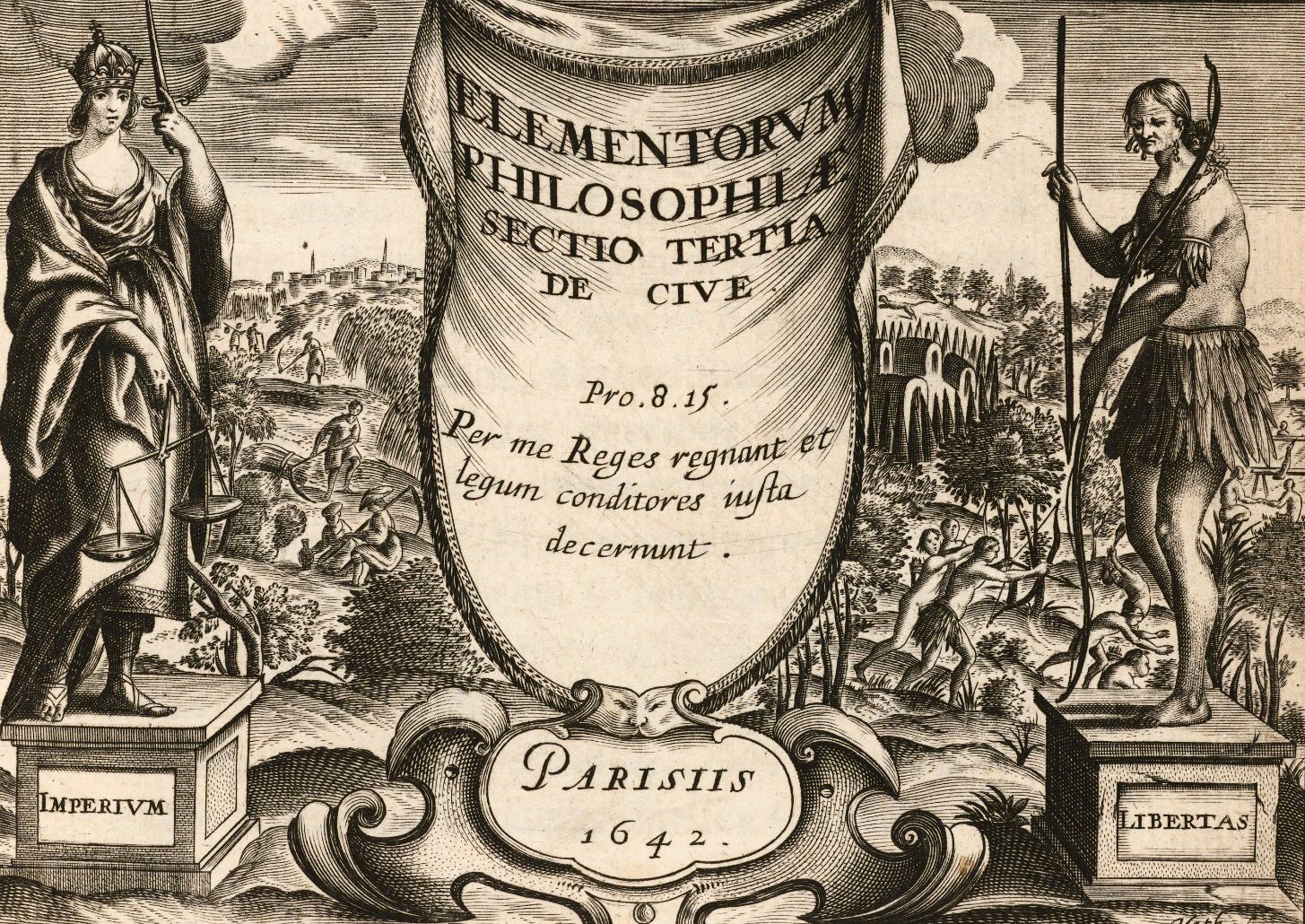
de cive frontispiece detail 2

Hobbes De Cive

I. The faculties of Humane nature may be reduc'd unto four kinds; Bodily strength, Experience, Reason, Passion. Taking the beginning of this following Doctrine from these, we will declare in the first place what manner of inclinations men who are endued with these faculties bare towards each other, and whether, and by what faculty, they are born apt for Society, and so preserve themselves against mutuall violence; then proceeding, we will shew what advice was necessary to be taken for this businesse, and what are the conditions of Society, or of Humane Peace; that is to say, (changing the words onely) what are the fundamentall Lawes of Nature.

Continue ReadingHobbes De Cive
Read more about the article Hobbes Eight Bookes of the Peloponnesian Warre
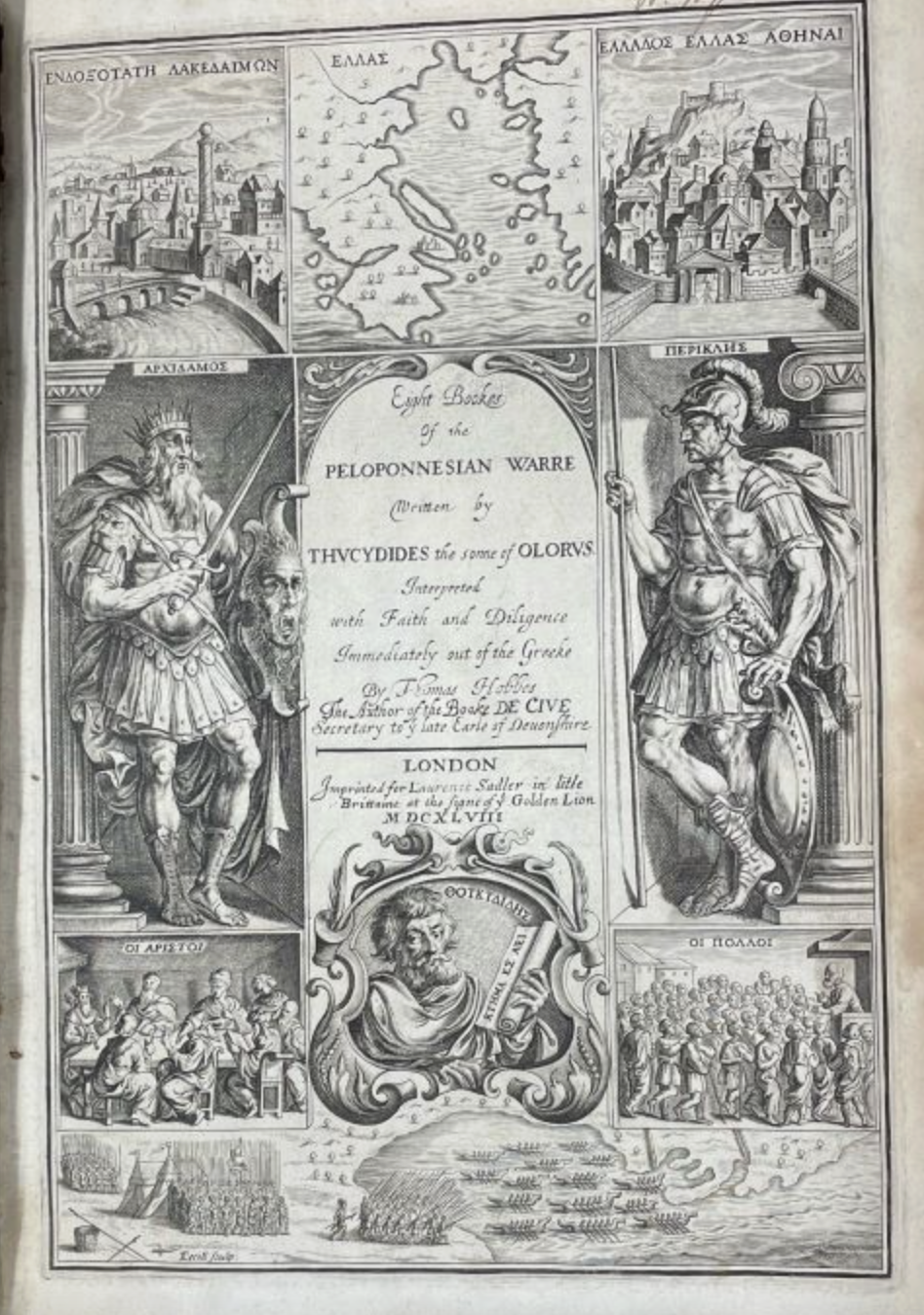
Engraved Title Page by Thomas Cecill (1629).

Hobbes Eight Bookes of the Peloponnesian Warre

Moreover, the penning up of the inhabitants of the country into the city was a great grievance to them; and especially to the new comers. For having no houses, but dwelling at that time of the year in stifling booths, the mortality was now without all form, and dead bodies lay inside one upon another, both in the streets and about every conduit, desiring water. > The temples also where they tented, were full of the dead bodies of them that died within them. For as the disaster passed all bounds, men, not knowing what was to become of them, became utterly careless of everything, whether sacred or profane. And all the laws which they had before used touching funerals were now broken, every one burying where he could find room. And many for want of things necessary, after so many deaths before, used shameless manner of burials. For when one had made a pile, another would come, and throwing down him that he had brought, set fire to it for himself; and some would fling the body they brought upon another that was already burning, and so go their way. > And the great licentiousness, which also in other kinds was used in the city, began at first from this disease. For that which before any man would dissemble, and not acknowledge to be done for voluptuousness, he durst now do freely, seeing the sudden change of the rich dying, and men worth nothing inheriting their estates. So they resolved to take their present profit and pleasure, holding their lives and their wealth to be alike but for a day. > And no man was eager to take any pains for that which was accounted honest, as being uncertain whether he should live to attain it or no. But whatsoever was delectable for the present, and whatsoever stood with their profit or pleasure, that was approved both for honesty and profit. Neither the fear of the gods nor the laws of men awed any man. Not the former, because they concluded that it was alike to worship or not worship, seeing all perished alike; nor the latter, because no man expected his life would last till he received punishment of his crimes by judgment. But they thought there was now over their heads some far greater judgment decreed against them, before which fell, it was reason they should enjoy some little part of their lives."

Continue ReadingHobbes Eight Bookes of the Peloponnesian Warre
Read more about the article Francis Bacon Novum Organum
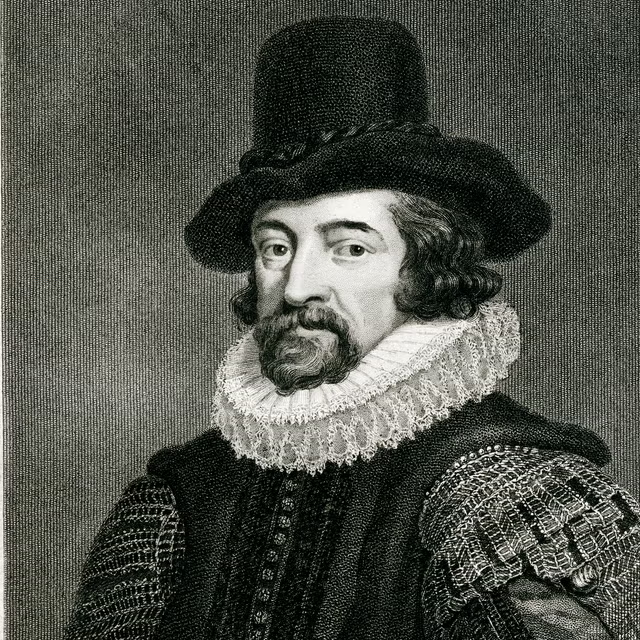
francis bacon royalty free illustration 1691614750

Francis Bacon Novum Organum

LXXXV. Nor is it only the admiration of antiquity, authority, and unanimity, that has forced man’s industry to rest satisfied with present discoveries, but, also, the admiration of the effects already placed within his power. For[63] whoever passes in review the variety of subjects, and the beautiful apparatus collected and introduced by the mechanical arts for the service of mankind, will certainly be rather inclined to admire our wealth than to perceive our poverty: not considering that the observations of man and operations of nature (which are the souls and first movers of that variety) are few, and not of deep research; the rest must be attributed merely to man’s patience, and the delicate and well-regulated motion of the hand or of instruments. To take an instance, the manufacture of clocks is delicate and accurate, and appears to imitate the heavenly bodies in its wheels, and the pulse of animals in its regular oscillation, yet it only depends upon one or two axioms of nature.

Continue ReadingFrancis Bacon Novum Organum
Read more about the article Bacon, Francis The Wisdom of the Ancients
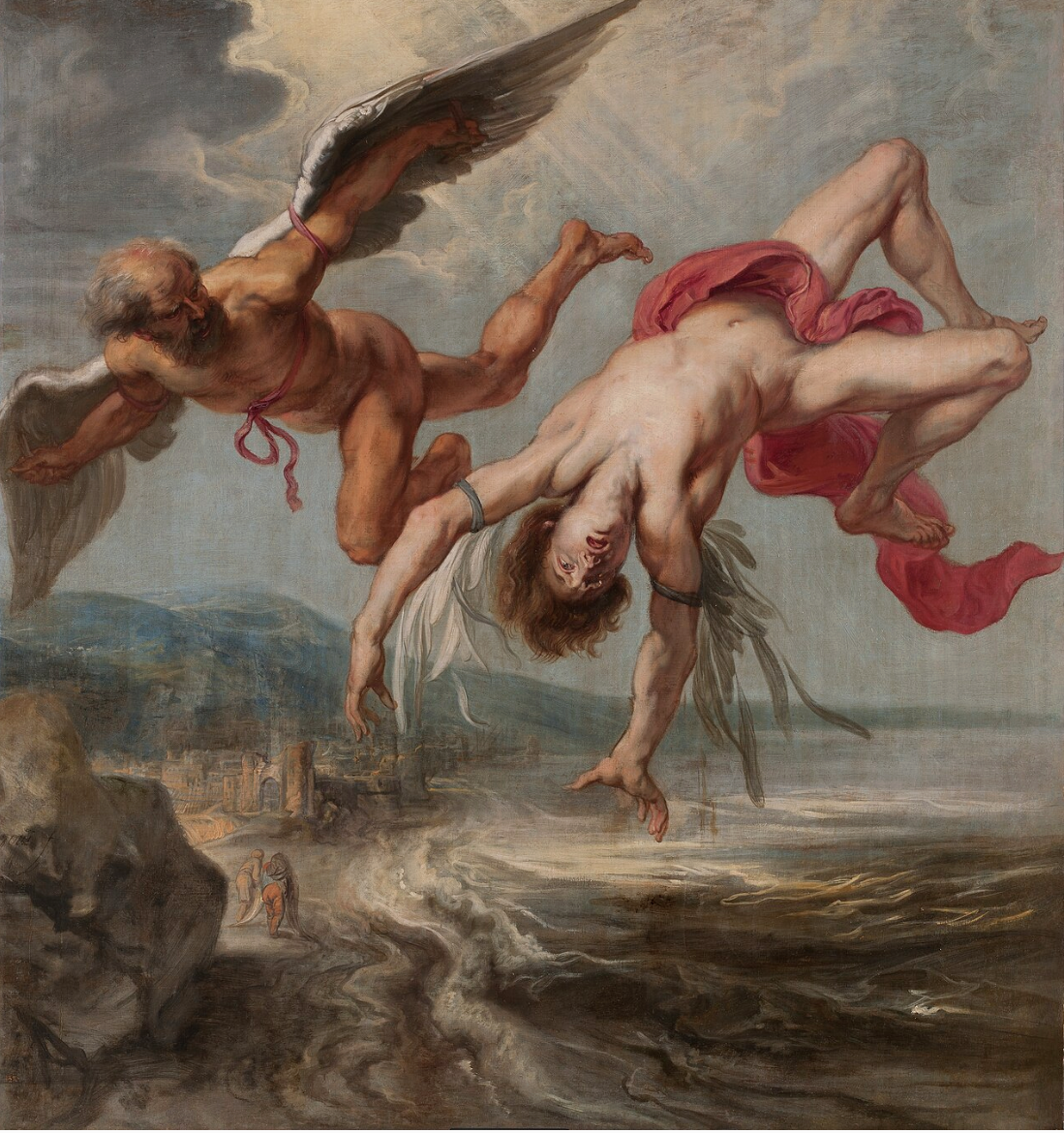
Gowy, Jacob Peter. The Fall of Icarus. 1635–1637. Oil on canvas. Museo del Prado, Madrid.

Bacon, Francis The Wisdom of the Ancients

"Mediocrity, or the middle way, is in most cases a virtue, and highly commendable; but in philosophy and the sciences it is a thing of dangerous consequence. For the path of virtue lies straight forward between two extremes; but the way of truth and knowledge lies through a narrow path, between two vast and hazardous rocks, where a man cannot deviate without falling into one or the other of them. [...] Thus the mind of man, being impatient of a lingering and progressive inquiry, is apt to take a flight, and to rise up to generalities, as it were upon the wings of Icarus; and so, by a premature and unseasonable flight, falls headlong into errors and false conclusions." (407–408)

Continue ReadingBacon, Francis The Wisdom of the Ancients
Read more about the article Machiavelli, The Prince
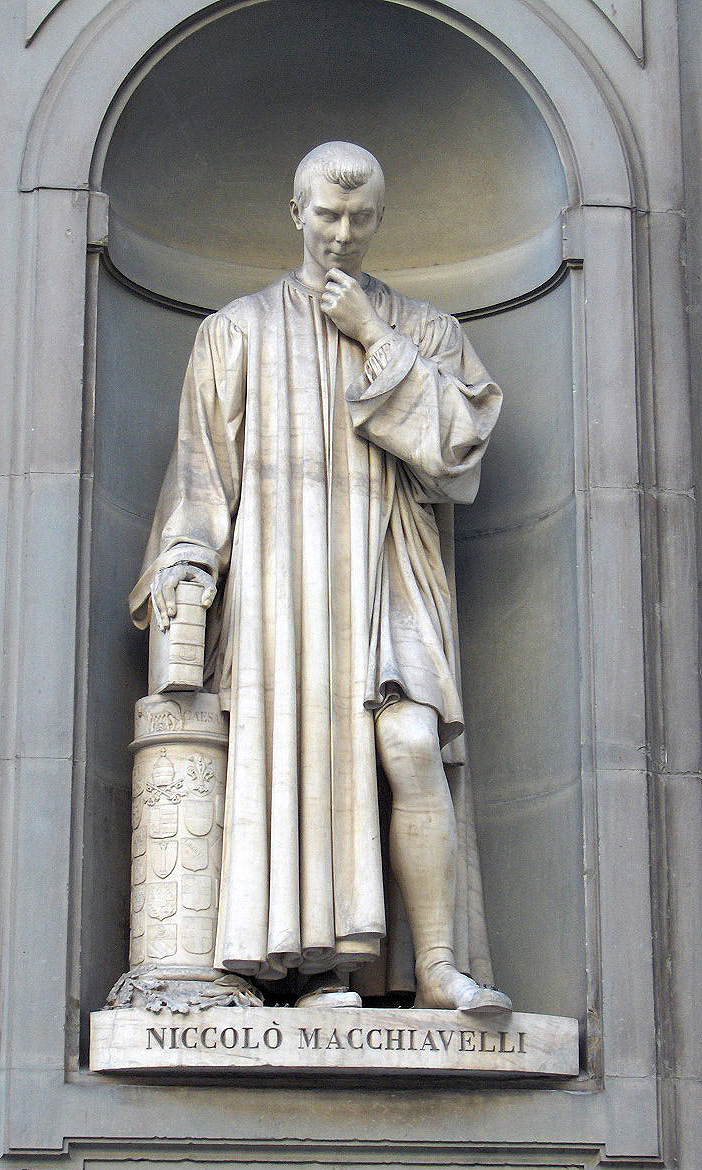
Macchiavelli01

Machiavelli, The Prince

Nor do I want it to be thought presumption if a man from a low and mean state dares to discuss and give rules for the governments of princes. For just as those who sketch landscapes place themselves down int he plain to consider the nature of mountains and high places and to consider the nature of low places place themselves high atop mountains, similarly, to know well the nature of peoples one needs to be prince, and to know well the nature of princes one needs to be of the people.

Continue ReadingMachiavelli, The Prince
Read more about the article Machiavelli the Florentine Histories
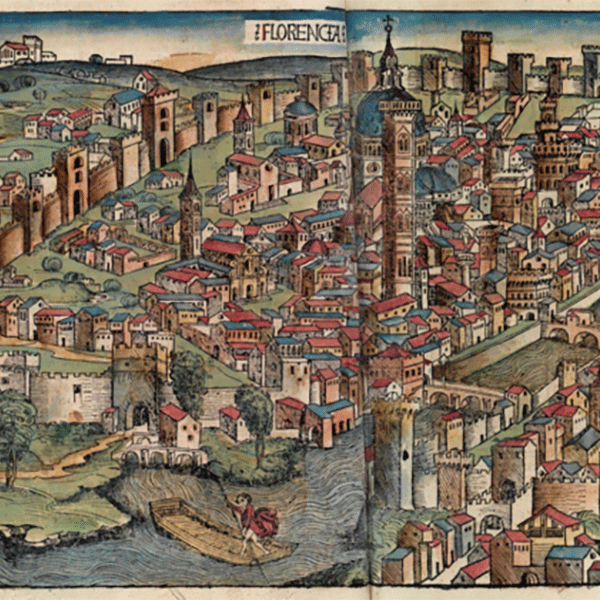
florence

Machiavelli the Florentine Histories

Those serious, though natural enmities, which occur between the popular classes and the nobility, arising from the desire of the latter to command, and the disinclination of the former to obey, are the causes of most of the troubles which take place in cities; and from this diversity of purpose, all the other evils which disturb republics derive their origin. This kept Rome disunited; and this, if it be allowable to compare small things with great, held Florence in disunion; although in each city it produced a different result; for animosities were only beginning with the people and nobility of Rome contended, while ours were brought to a conclusion by the contentions of our citizens. A new law settled the disputes of Rome; those of Florence were only terminated by the death and banishment of many of her best people.

Continue ReadingMachiavelli the Florentine Histories
Read more about the article Machiavelli, Discourses on Livy
Gavin Hamilton The Death of Lucretia Google Art Project

Machiavelli, Discourses on Livy

I then only remained to assign its place to the popular element, and the Roman nobles growing insolent from causes which shall be noticed hereafter, the commons against them, when, not to lose the whole of their power, they were forced to concede a share to the people; while with the share which remained, the senate and consults retained so much authority that they still held their own place in the republic. In this way the tribunes of the people came to be created, after whose creation the stability of the State was much augmented, since each the three forms of government had now is due influence allowed it. And such was the good fortune of Rome that although her government passed from the kings to the nobles, and from these to the people, by the steps and for the reasons noticed above, still the entire authority of the kingly element was not sacrificed to strengthen the authority of the nobles, nor were the nobles divested of their authority to bestow it on the commons; but three, blending together, made up a perfect State; which perfection, as shall be fully shown in the next two Chapters, was reached through the dissensions of the commons and the senate.

Continue ReadingMachiavelli, Discourses on Livy